
Children’s Books
Children’s Book Publishing
Children’s books require a unique balance of storytelling, simplicity, and visual engagement. From picture books to middle grade titles, each category follows its own structure, age expectations, and design approach.
Understanding your genre is the first step toward creating a successful children’s book.
Overview
Understanding Children’s Books
Children’s books are designed to engage young readers through simple language, clear storytelling, and strong visual elements. Unlike other categories, these books must balance creativity with structure to match the reading level and attention span of children.
From early picture books to middle grade titles, each type follows its own format, pacing, and narrative style. Stories are often supported by illustrations, making visual storytelling an essential part of how children experience a book.
Understanding these differences is important when preparing a manuscript for publishing, as each category requires a specific approach to writing, design, and presentation.
Audience
Understanding Age Groups and Reading Levels
Children’s books are created for specific age groups, and each category comes with its own reading level, language style, and content expectations. Understanding the target audience is essential for developing a story that connects with young readers.
Picture books are typically designed for younger children and rely heavily on illustrations with simple, engaging text. Early reader books introduce basic vocabulary and short sentences to help children build reading confidence. Middle grade books offer more developed storytelling with deeper plots while still maintaining age-appropriate language and themes.
Each category requires careful consideration of tone, structure, and complexity to ensure the content is both engaging and suitable for its intended audience.
Content
Writing for Children’s Books
Writing a children’s book requires a clear and focused approach that aligns with the reader’s age and comprehension level. The language must remain simple and engaging, while the story delivers a meaningful and easy-to-follow narrative.
Pacing plays an important role, especially in shorter formats where every sentence contributes to the overall flow of the story. Scenes are often structured to keep attention while supporting a natural progression from beginning to end.
Clarity, consistency, and readability are essential across all children’s book categories. The goal is to create a story that is both enjoyable and easy for young readers to understand, while maintaining a structure that supports the intended format.
Design
Illustration and Visual Storytelling
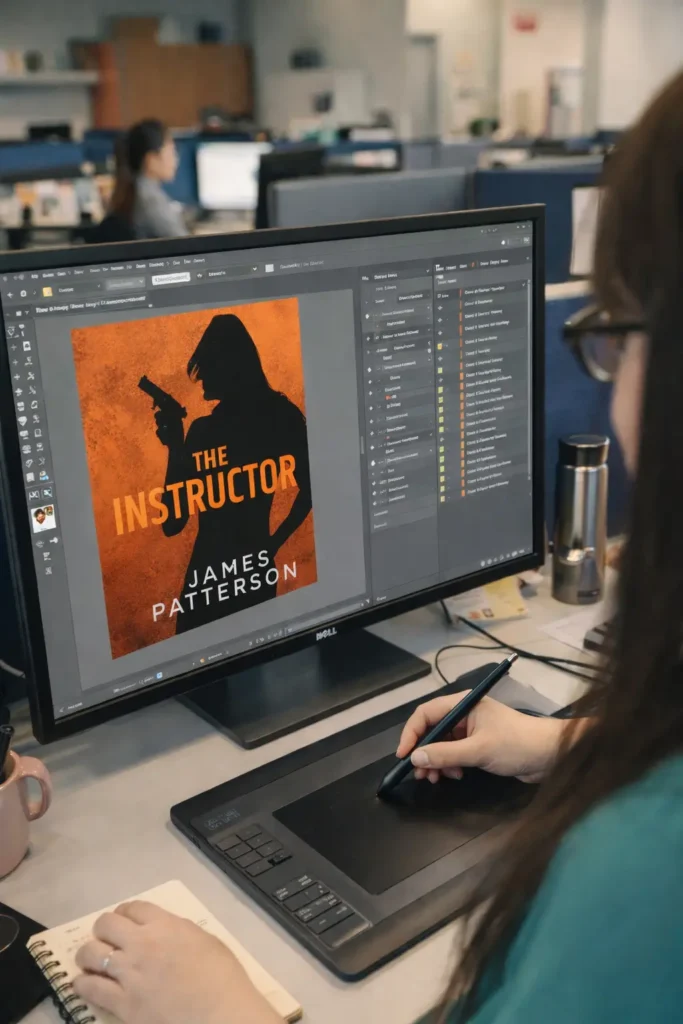
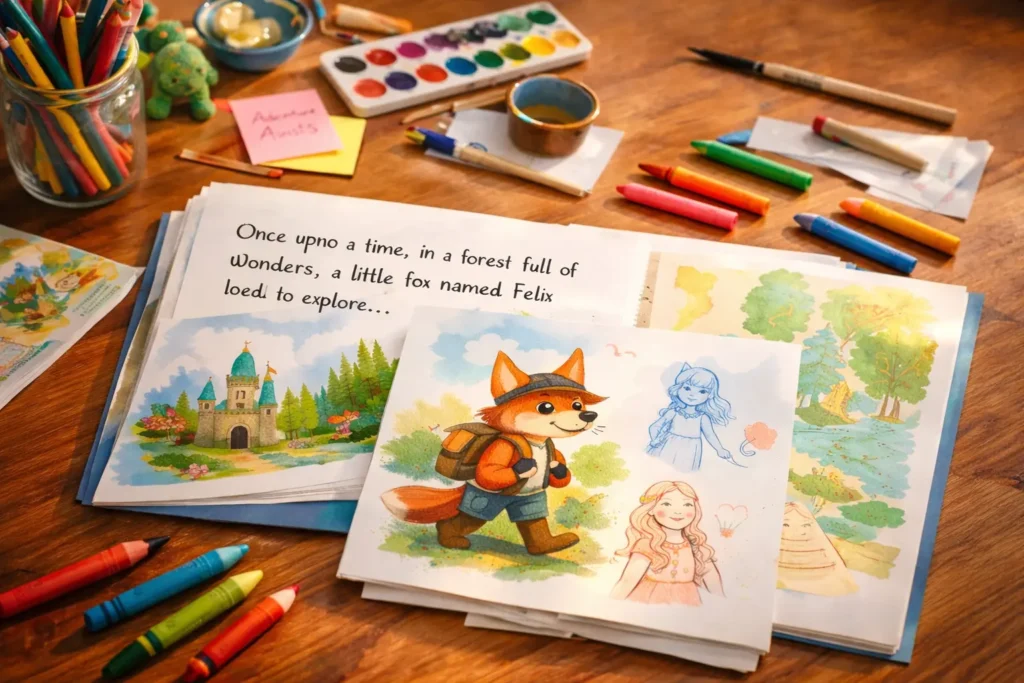
Design plays a central role in children’s books, where visuals often carry as much meaning as the text itself. Illustrations are not just decorative elements but an essential part of how the story is understood and experienced.
In picture books and early reader titles, the relationship between text and images must be carefully balanced. Each page is structured to allow illustrations to support the narrative, highlight key moments, and maintain engagement throughout the story.
Layout and formatting also follow specific patterns in children’s publishing, ensuring that text placement, spacing, and page flow work seamlessly with visual elements. A well-designed children’s book combines storytelling and illustration in a way that feels natural, engaging, and easy to follow for young readers.
Publishing
Preparing a Children’s Book for Publishing
Publishing a children’s book involves more than completing the manuscript. Each book must be prepared according to specific formatting, layout, and platform requirements to ensure it is ready for distribution.
Children’s books often require careful coordination between text and illustrations, especially in formats like picture books where page structure plays a key role. Proper formatting ensures that the book displays correctly in both print and digital versions, maintaining consistency across different devices and platforms.
From file preparation to final setup, every stage must align with publishing standards so the book is ready for submission, printing, and distribution without issues.
Our Support
How We Support Children’s Book Authors
Publishing a children’s book requires a combination of storytelling, design, and technical preparation. Our team supports authors at different stages of this process, ensuring each element is aligned with the requirements of children’s publishing.
From developing structured manuscripts to preparing illustration-ready layouts, we help authors create books that are engaging, well-formatted, and ready for publishing. Our support also extends to editing, formatting, and final publishing preparation to ensure the book meets professional standards.
Whether you are starting with an idea or preparing a completed manuscript, our approach focuses on helping you move forward with clarity and confidence.
Resources
Explore More About Children’s Book Publishing
Learn more about writing, preparing, and publishing children’s books through our detailed guides and resources.
Resource Links (Examples)
👉 Replace with your actual blog URLs later
How to Write a Children’s Book
Children’s Book Layout and Formatting Guide
Picture Book vs Middle Grade: Key Differences
Preparing Your Children’s Book for Publishing
Common Mistakes in Children’s Book Writing
Our Impact
Led by experience. Trusted by authors.
AuthorWings
Trusted by 5,000+ Authors




5K+

Over 10 years of publishing and design experience, helping authors create professional, market ready books.
Fazila
Founder & Lead Designer
Meet the AuthorWings Team5,000+
Authors Supported
10,000+
Publishing Projects Delivered
300+
Full-Length Books Ghostwritten
100%
Author Ownership & Royalties
All Major
Genres Served
Next
Start Your Children’s Book Journey
Whether you’re developing an idea or preparing a completed manuscript, understanding your genre is the first step. Our team is here to help you move forward with professional support tailored to children’s books.