Publishing by genre, from fiction to children’s
Each genre needs a different cover, different store categories, and often a different paper or format. We run four genre tracks at the same publishing tier prices: Amazon $249, Online Stores $549, and Global $999. In every track, you keep 100% of your royalties, and every store account we open is in your name.
- 4 genre tracks
- Same publishing prices in every genre
- 100% of royalties kept
Free 30-minute call. Written quote within 48 hours.
Four genre publishing tracks, each built for its readers
Pick the track that matches the reader who will buy your book. Each track page covers the categories, production, stores, and prices that genre needs.
Fiction Publishing
- Romance
- Thriller and mystery
- Fantasy and sci-fi
- Historical
- Literary and contemporary
- Young adult
What matters most
- A cover that readers of the genre recognize
- Categories and keywords that put the book where its readers browse on Amazon
- The stores and formats genre readers buy in
For novelists who want their book set up the way genre readers shop.
See fiction publishingNon-Fiction Publishing
- Business
- Self-help
- Memoir
- Leadership
- Health and wellness
- Motivational
What matters most
- A cover that signals authority at thumbnail size
- A clear structure, and a hardcover when your readers expect one
- Keywords written in the words your buyers search
For experts, coaches, and memoir writers with a message to share.
See non-fiction publishingChildren’s Book Publishing
- Picture and board books
- Early readers
- Chapter books
- Middle grade
- Children’s non-fiction
- Young adult
What matters most
- Illustration planned around every page turn
- Ebooks with pages that stay exactly as designed, and color paper for print
- Age-group details written for how parents and teachers search
For books with two readers: the child and the adult who buys for them.
See children’s book publishingSpecialty Book Publishing
- Cookbooks
- Poetry
- Coffee table and photography
- Workbooks and journals
- Coloring books
- Faith-based
What matters most
- Recipe layouts, and poetry line breaks kept exactly as written
- The right paper and trim size for each format
- Honest advice on print on demand or an offset printer
For books that sit outside the fiction, non-fiction, and children’s tracks.
See specialty book publishingSample work
Sample covers from each genre track
Our designers made these covers to show how each genre looks at thumbnail size, where readers decide. They are samples from our design portfolio, not client books.
Fiction
See more fiction covers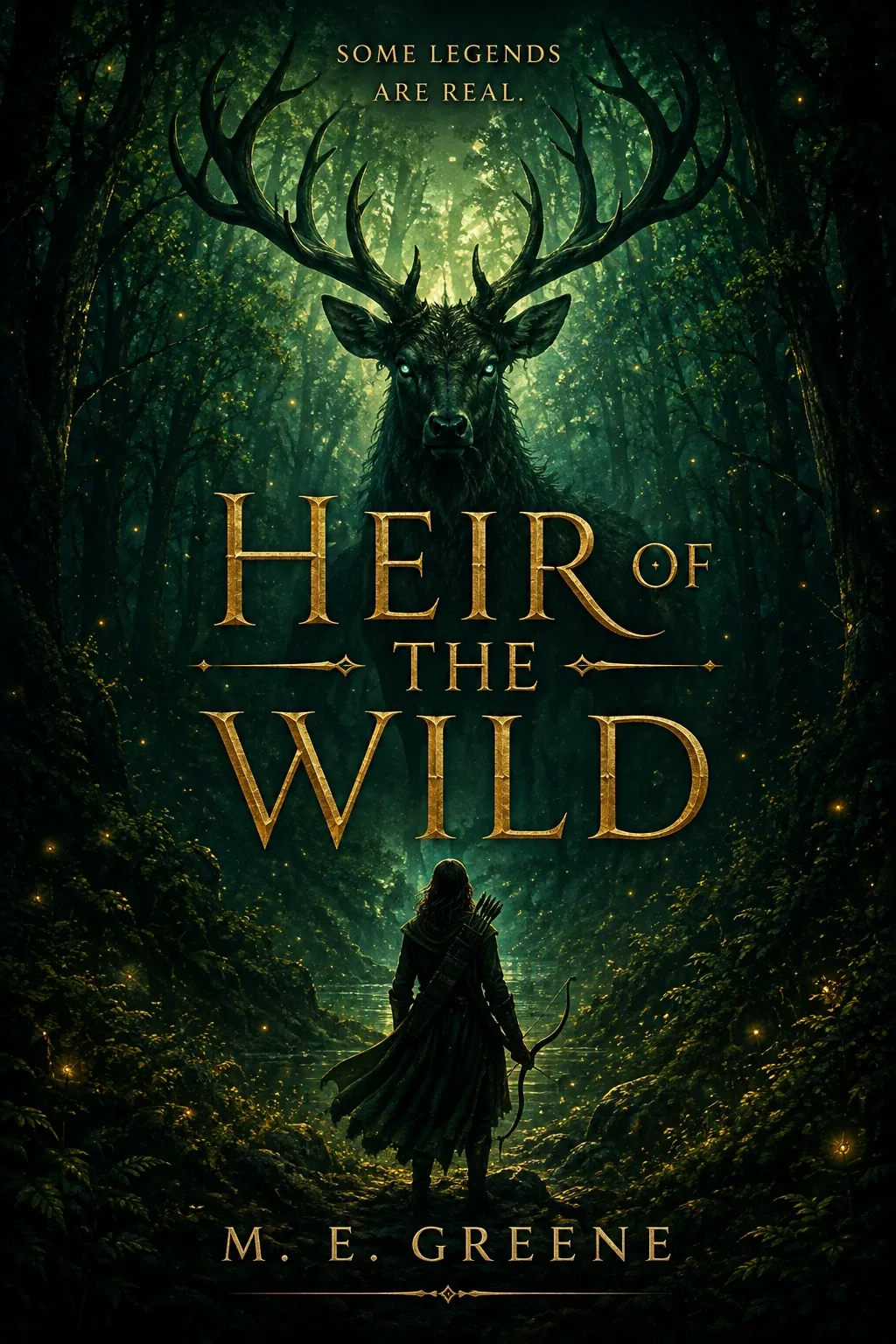
Heir of the WildFantasy 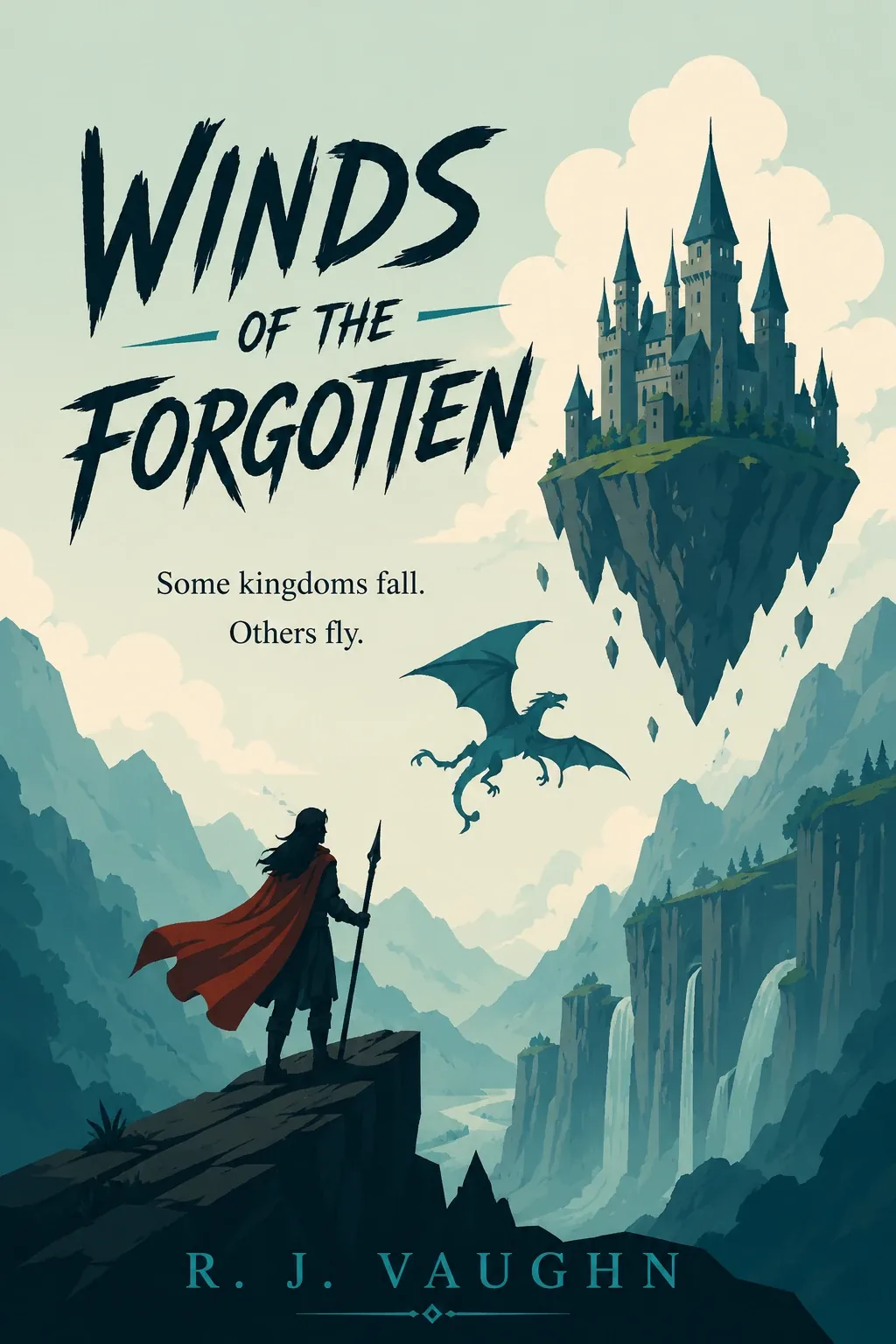
Winds of the ForgottenFantasy 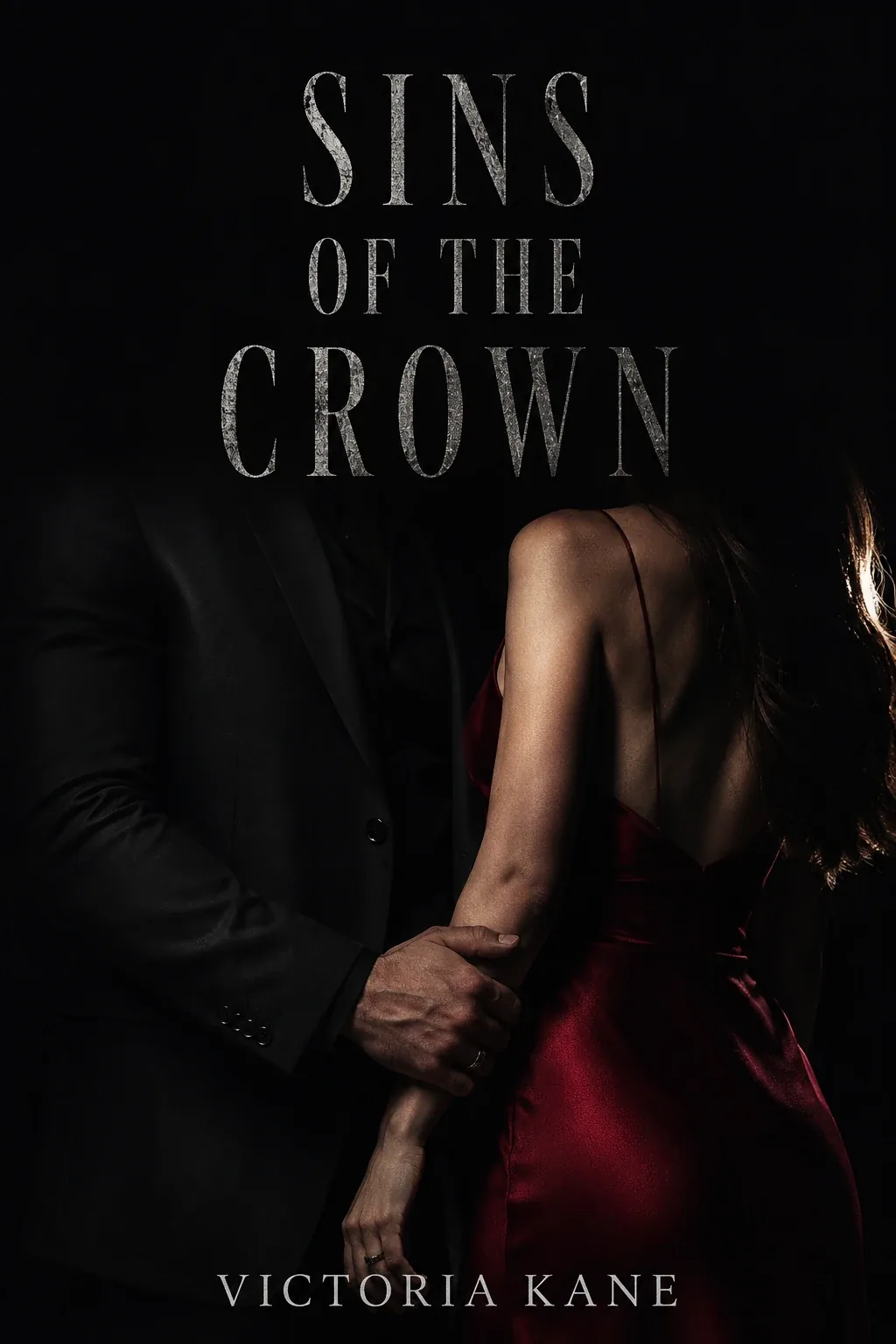
Sins of the CrownRomance 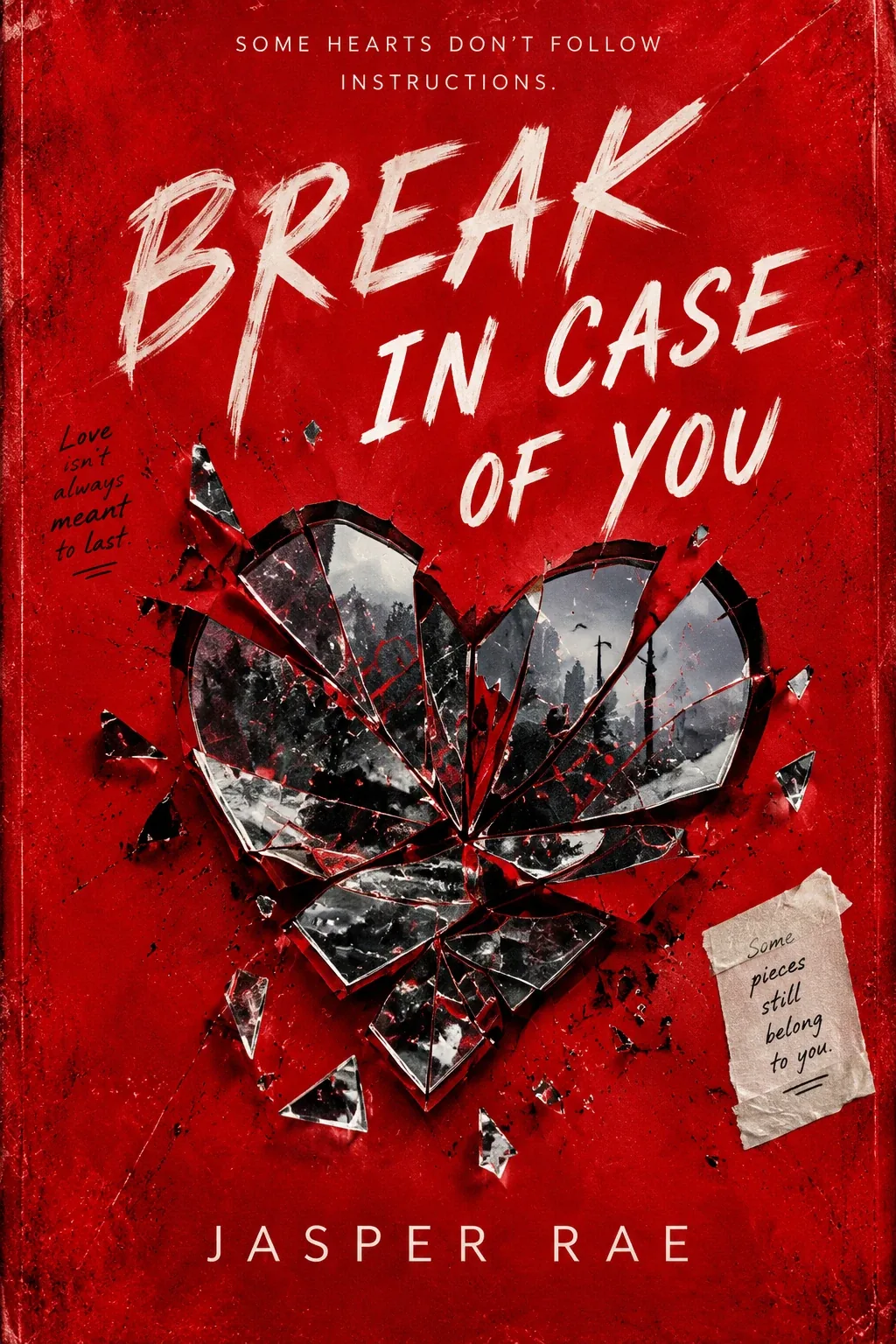
Break in Case of YouYoung adult
Non-fiction
See more non-fiction covers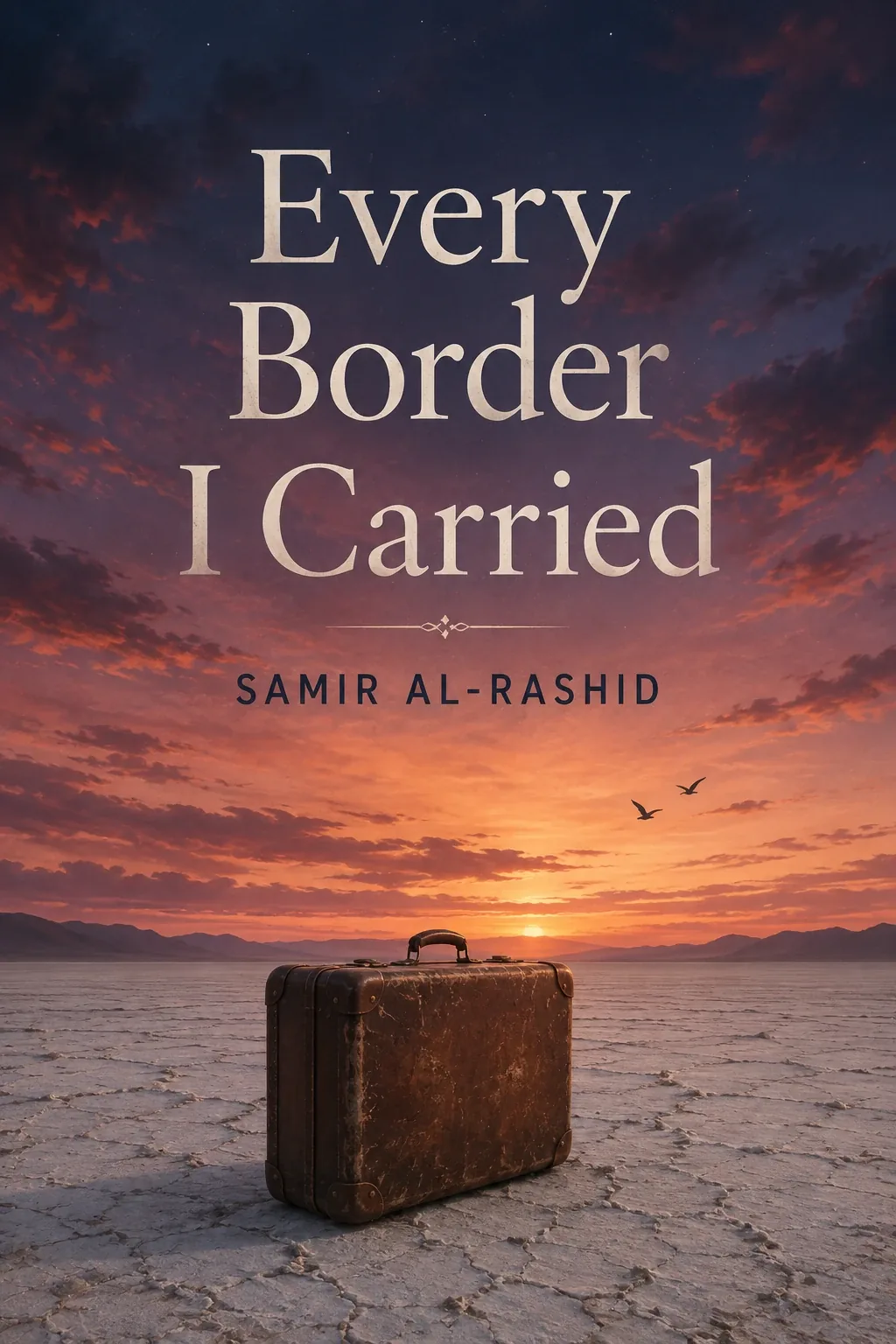
Every Border I CarriedMemoir 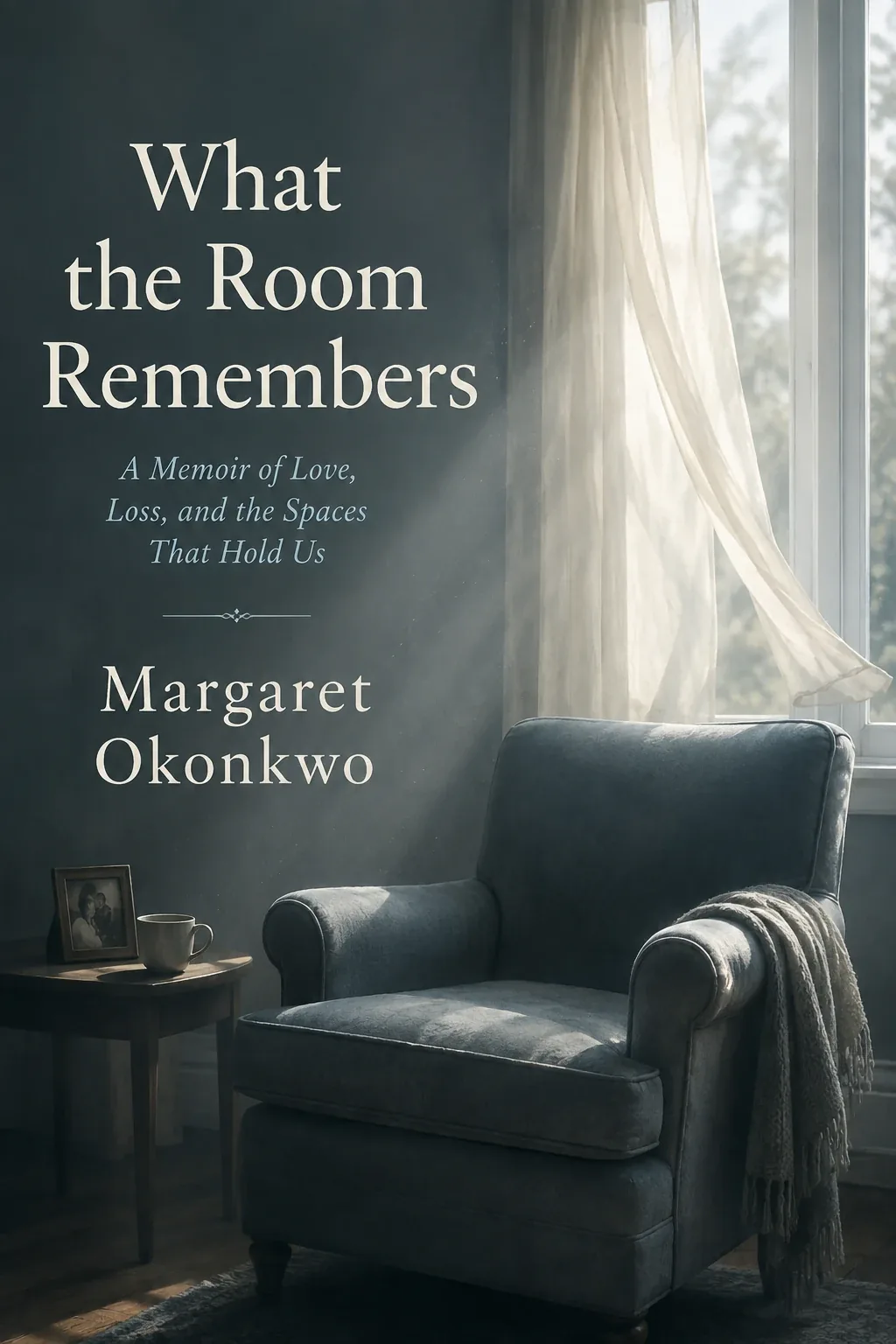
What the Room RemembersMemoir 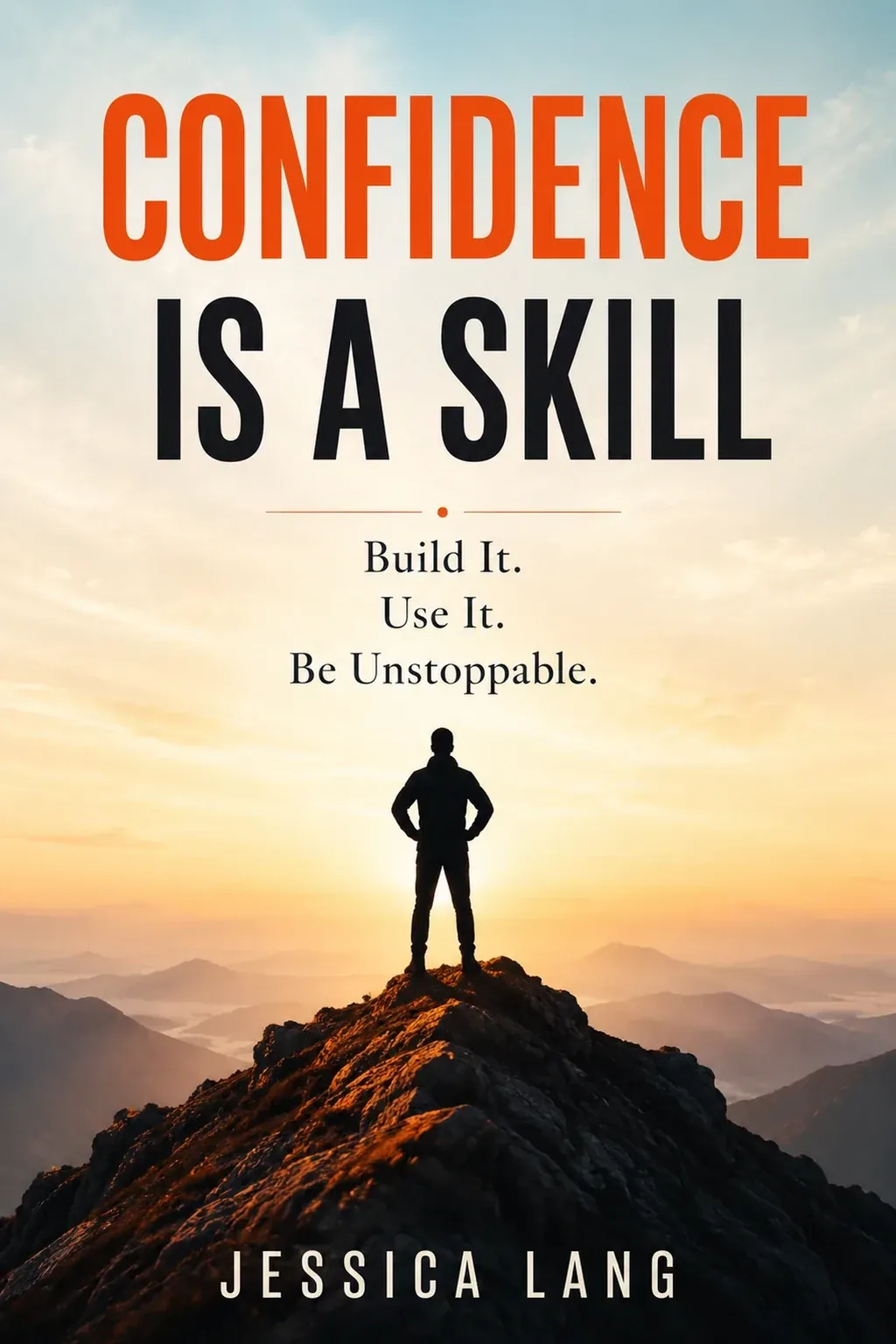
Confidence Is a SkillSelf-help 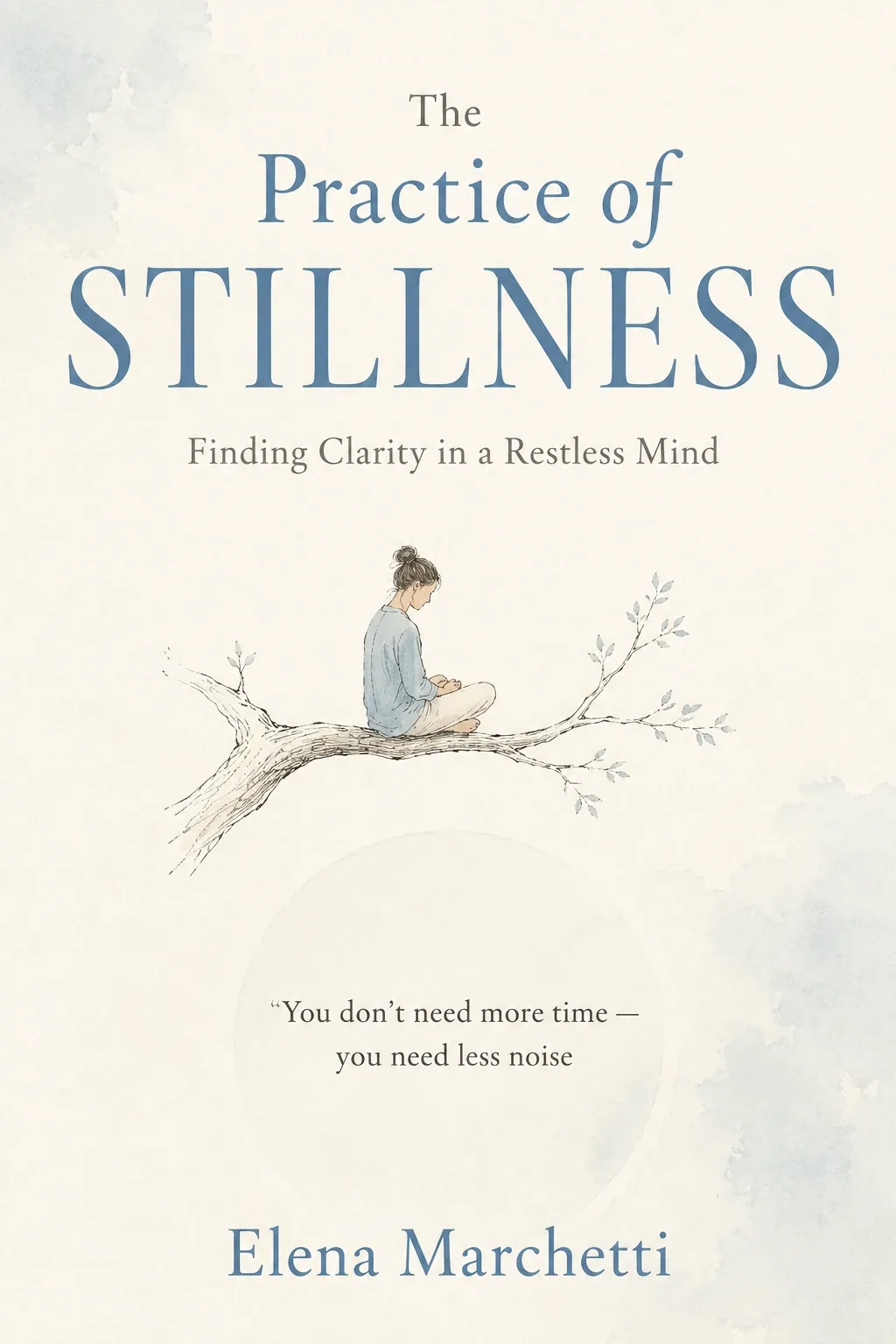
The Practice of StillnessSelf-help
Children’s
See more children’s covers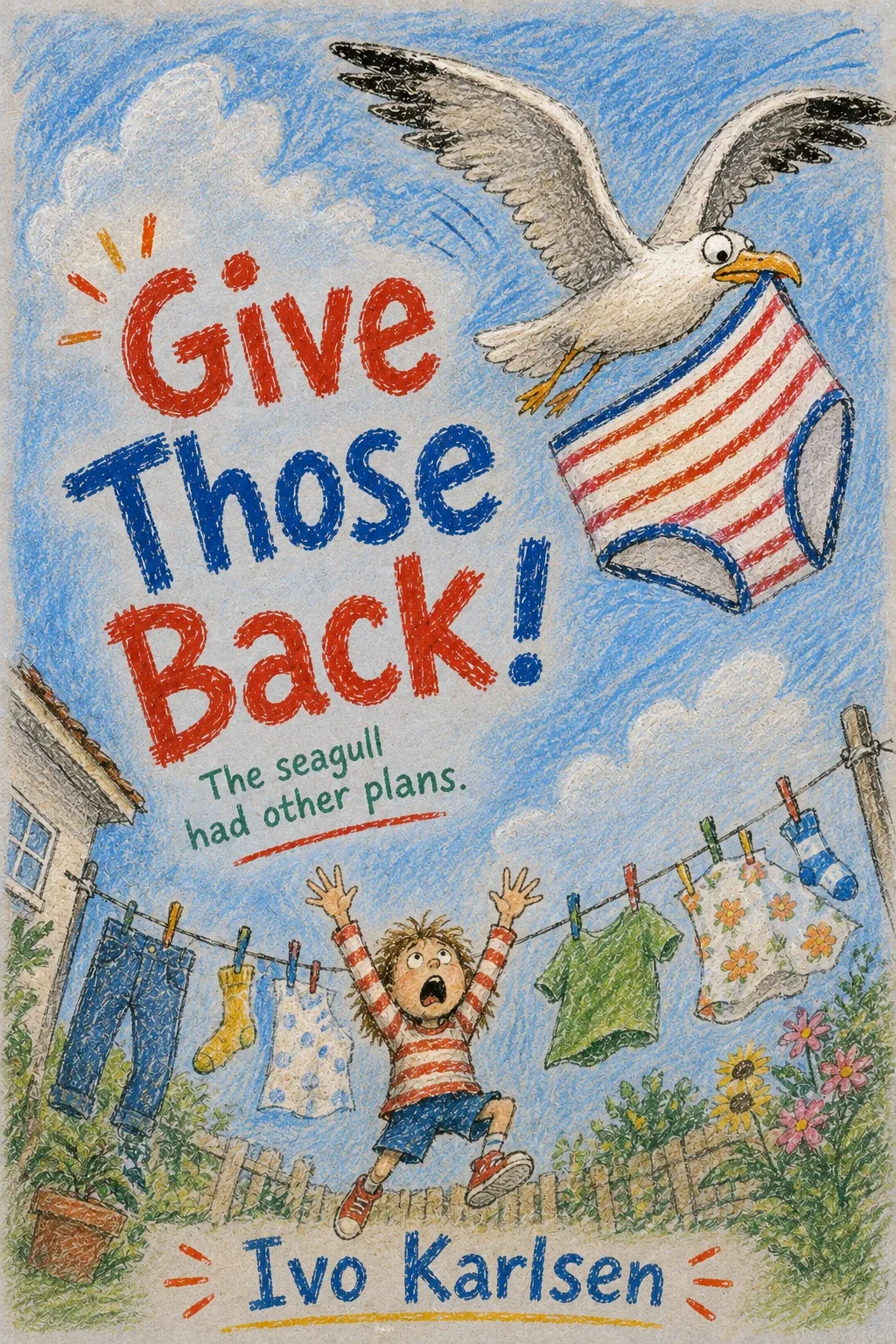
Give Those BackChildren’s 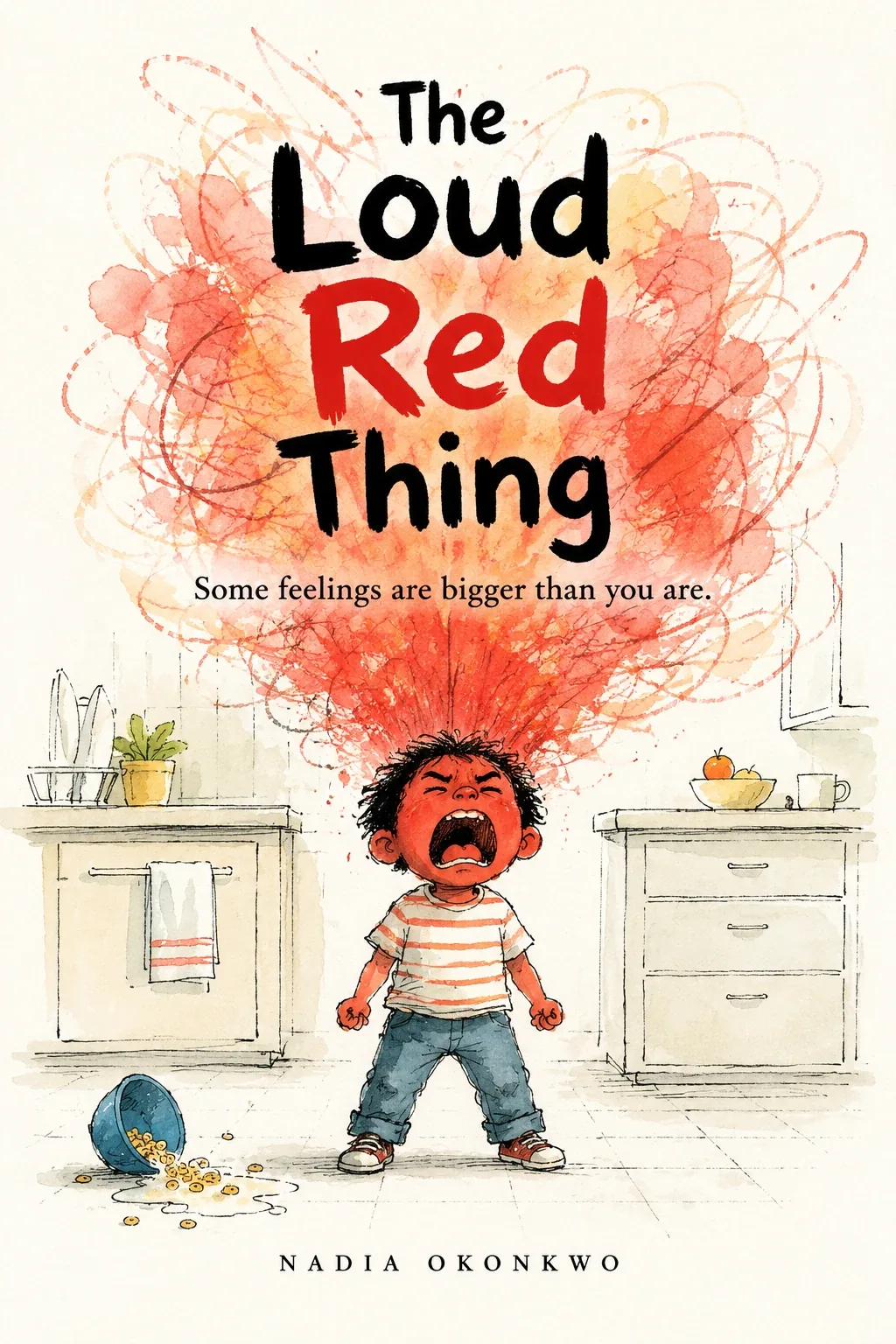
The Loud Red ThingChildren’s 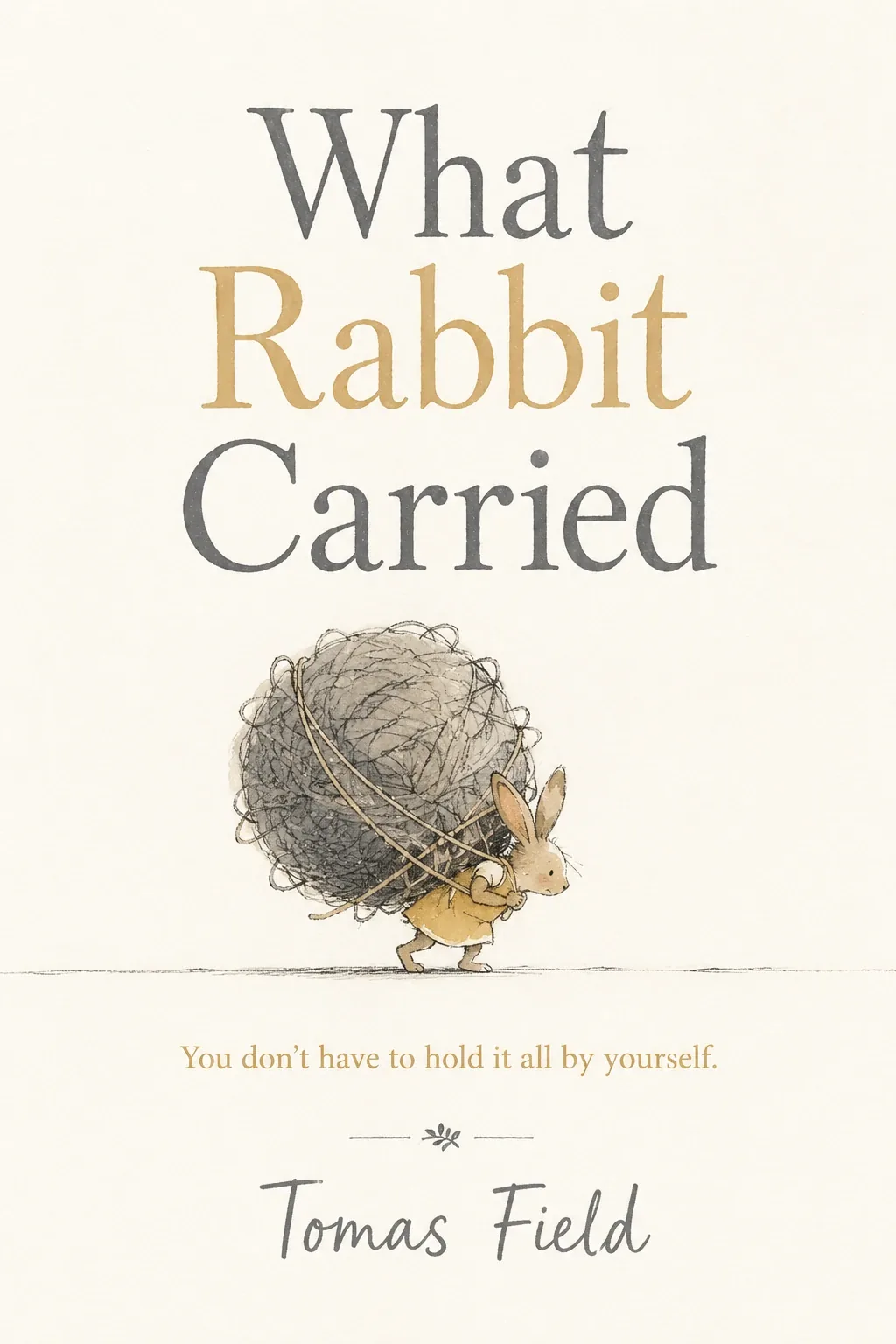
What Rabbit CarriedChildren’s 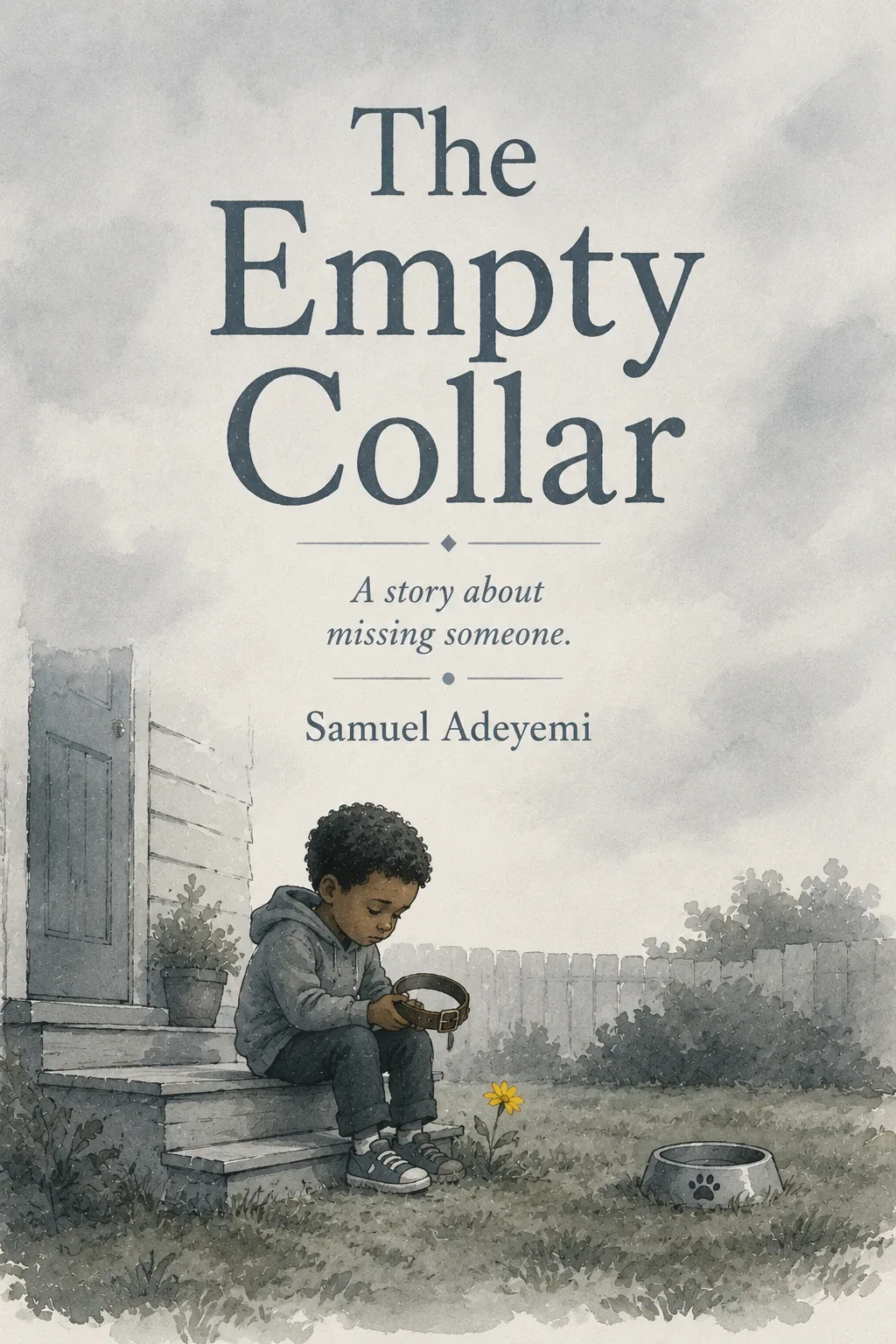
The Empty CollarChildren’s
Specialty
Cookbooks, poetry, coffee table books, workbooks, coloring books, and faith-based titles each need their own layout and paper. See how we set them up on specialty book publishing.
Sample covers from our design portfolio.See the full cover portfolio
The AuthorWings Specialist Network
Vetted editors, designers, writers and illustrators.
Showing 24 professionals
 GhostwriterBeth PrenticeVetted GhostwriterCosy mystery, Romantic mystery
 AustraliaEnglishI’m Beth Prentice, a USA Today bestselling author with approximately 30 novels and novellas published since 2012. I specialise in funny romantic mysteries and paranormal cosy mysteries, creating engaging characters, natural dialogue and plots filled with humour, heart and intrigue. My publishing credits include Deadly…GhostwritingCo-writing14 years30 booksView profile →
 EditorBlessing Oluebube OguwikeVetted EditorWriting, Editing
 NigeriaEnglish (US)Results-oriented Editor, Author Support Specialist on Webnovel Platforms, Acquisitions Editor, Cleva U.S. Bank Ambassador, and Certified AI Specialist with over five years of experience supporting authors, improving manuscript quality, managing publishing operations, and promoting brands across leading digital publishing platforms. Demonstrated expertise in manuscript acquisition,…Manuscript assessmentDevelopmental editingLine editing+16 more5 years35 booksView profile →
 Book DesignerCassandra BowenVetted Book DesignerChildren's picture books, Children's textbooks
 BarbadosEnglish (US and UK)I am book designer and early childhood textbook author from Barbados. I specialize in children's picture books but I also have experience in working with novels, poetry anthologies, photography coffee table books and cookbooks. I love working in this field and I work closely with…Cover designSeries brandingInterior layout+1 more11 years100+ booksView profile →
 IllustratorCeleste MonteithVetted IllustratorChildren's Picture Book Illustration, Story Development
 South AfricaEnglish (US and UK)I'm a children's picture book author and illustrator, currently working on my debut author-illustrator picture books. I also illustrate for self-publishing authors, and give editing/story development assistance for picture book authors.Children's book illustrationCharacter designCover art+6 more5 years2 booksView profile →
 IllustratorChar ReedVetted IllustratorAnimals, Fantasy
 United StatesEnglishI am a professional artist and illustrator and have been building my career since 2003, specialising in animal and creature artwork that captures both anatomical accuracy and individual personality. My work combines a close appreciation for animal behaviour with expressive characterisation, bringing each subject to…Children's book illustrationInterior artCover art+3 more20 years4 booksView profile →
 IllustratorCharlene PeruchiVetted IllustratorChildren's Book, Fiction & Non-Fiction
 GermanyEnglish, PortugueseI am Charlene, a designer and illustrator based in Berlin, Germany. I have experience illustrating children’s books; fiction and non-fiction stories. My illustrations are characterized by a strong use of color contrast and shapes. I enjoy illustrating anthropomorphic animals, but I also draw humans of…Maps and diagramsChildren's book illustrationPicture book layout+2 more3 years2 booksView profile →
 Book DesignerChristine PekatowskiVetted Book DesignerChildren, EducationUnited StatesEnglish (US)I'm a professional book and publication designer with more than 18 years of experience in editorial design, typesetting, and print and digital production. My background includes approximately 10 years designing educational and children's nonfiction books for Enslow Publishers and Rosen Publishing Group. I specialize in…Cover designInterior layout18 years100 booksView profile →
 EditorDawn M. BarclayVetted EditorSuspense, RomanceUnited StatesEnglish (US)Beyond editing, as of October, 2026, I’ve written seven novels, three nonfiction books, and edited nine crime fiction anthologies. My work has won the Agatha, Macavity, Chanticleer, Maxy, and Lowell Thomas Gold Awards, and I have been a finalist for the Anthony and Silver Falchion…Manuscript assessmentCopy editingQuery letter and synopsis review+8 more30 years20+ booksView profile →
 TranslatorDiane GaroVetted TranslatorI translate your books
 FranceEnglish, Spanish +1I am Diane, a professional English and Spanish to French literary translator and proofreader, with a Master's Degree in Translation and more than 15 years of experience as a freelancer. I have translated and reviewed over 50 books (fantasy, suspense, cozy mystery, romantic comedy, etc.)…Literary translationEditing of translated textProofreading15 years50 booksView profile →
 EditorGinny RuthsVetted EditorMemoir, Narrative nonfictionUnited StatesEnglish (US)As a substantive, developmental, and line editor for 30+ years, I’ve collaborated with clients around the world in both fiction and nonfiction, from memoir and spirituality to fantasy and thriller to children’s picture books. Business clients include Paralyzed Veterans of America, Infinity Foundation, US Soccer,…Manuscript assessmentCopy editingQuery letter and synopsis review+15 more36 years30+ booksView profile →
 EditorJenny BowmanVetted EditorMiddle Grade, Children's BooksUnited StatesEnglish (US and UK)Jenny Bowman is Children’s Book Editor with over fifteen years experience providing developmental editing and children’s book coaching for Picture Books, Chapter Books and Middle Grade Novels. She works with authors from around the world, and has edited books on the New York Times bestselling…Developmental editingQuery letter and synopsis reviewChildren's book coaching16 years100+ booksView profile →
 GhostwriterJohn SchmuckerVetted GhostwriterMemoir, BusinessUnited StatesEnglish (US)I’m a ghostwriter and author with thirteen years of published writing behind me. Two of the books I have ghostwritten were published by Wiley. In the acknowledgments of the second, the author writes that we went from our first conversation to a finished 75,000 word…GhostwritingCo-writingBook proposal writing13 years8 booksView profile →
 EditorKerry AbermanVetted EditorFiction, NonfictionUnited StatesEnglish (US)I am a full-time book editor with nine years’ experience specializing in developmental and line edits. Books I’ve edited have won numerous awards and reached New York Times best seller status. I also offer professional proofreads, manuscript evaluations, and query and synopsis packages. When I…Manuscript assessmentDevelopmental editingLine editing+13 more9 years117 booksView profile →
 TranslatorLinda GausVetted TranslatorLiterary fiction, Non-fictionUnited StatesGerman, English (US)Native speaker of US English with a Ph.D. in German (literature) from the University of California, Berkeley, and over 25 years' experience as a freelance DE-EN translator. My most recent translation is of Martina Hefter's 2024 German Book Prize-winning novel, "Hey, Good Morning, How Are…Literary translationLocalizationEditing of translated text26 years25 booksView profile →
 Book DesignerLorenzo AvvedutoFantasy, Fiction
 ItalyItalian, English (US and UK)I am a book designer and formatter with 10 years of experience in book layout and typesetting. I specialize in preparing professional, clean, and well-organized layouts for novels and fiction books, including adventure and fantasy. I work with Microsoft Word, Adobe InDesign, Canva, and LibreOffice,…Cover designInterior layout10 years150 booksView profile →
 EditorLorraine WhiteleyVetted EditorNon-fiction, ThesisSouth AfricaAfrikaans, English (US and UK)As a lifelong avid reader with a sharp eye for detail, I am a certified Copyeditor and Proofreader dedicated to delivering flawless, high-quality content. I recently formalised my lifelong passion by earning my certification from SA Writers' College in April 2026. However, my editorial roots…Copy editingManuscript assessmentFact-checking+5 more15 years100 booksView profile →
 EditorMark GardnerVetted EditorChristian Fiction/Fantasy, Science FictionUnited StatesEnglish (US and UK)I am an editor and proofreader with more than nine years of experience working with independent authors, small presses, and self-publishing professionals. I have edited 40 books and 200 academic papers. My projects have included fiction and nonfiction books, memoirs, self-help titles, business books, true…Line editingCopy editingProofreading+3 more9 years40 booksView profile →
 IllustratorRenikeVetted IllustratorCover Art and DesignNigeriaEnglishI'm Renike, an award-winning visual artist, illustrator, and book cover designer passionate about creating a safe space for women by depicting them in soft, authentic, and relatable ways. Over the years, I’ve had the joy of collaborating with top global publishers like HarperCollins, Penguin Random House, and Scholastic, as well as brands like…Children's book illustrationInterior artCover art+6 more8 years23 booksView profile →
 EditorSue TothVetted EditorFiction, MemoirUnited StatesI am a developmental editor and book coach. My specialty is working with fiction authors in the genres of romance, mystery, thriller, psychological thriller, and suspense. When you work with me, we will look at the big picture of your book together. I'll help you…Manuscript assessmentDevelopmental editingBook coaching20 years500 booksView profile →
 GhostwriterSwati HegdeVetted GhostwriterRomance, Fantasy
 IndiaEnglish (US)Swati Hegde is the author of 5 romance and young adult novels published by Penguin Random House. She is also a freelance editor, mindset coach, and self-proclaimed coffee shop enthusiast who lives in Bangalore, India, and can often be found at the nearest café with a hot…GhostwritingBlurb and back-cover copyQuery letter writing+4 more9 years50 booksView profile →
 EditorTaylor MelendyVetted EditorFiction, FantasyUnited StatesEnglish (US)I’m an editor with 11 years of experience and have worked on 165 books for independent authors and hybrid publishers, including MindStir Media, Manhattan Book Group, and Seacoast Press. I edit fiction and fantasy, memoir, nonfiction, and children’s books, with a special interest in projects…Manuscript assessmentDevelopmental editingLine editing+2 more11 years165 booksView profile →
 EditorTenesha L. CurtisVetted EditorFiction, Self-HelpUnited StatesEnglish (US)I have an academic and professional background in psychotherapy for addictive diseases, and currently work full-time as the publishing manager at Get Book Help. As an indie author myself, I have real-world, first-hand experience with exactly what my clients are experiencing—no theories, no hearsay, I…Manuscript assessmentQuery letter and synopsis reviewDevelopmental editing+25 more26 years300 booksView profile →
 EditorVicky HaygoodVetted EditorScience Fiction, FantasyUnited StatesEnglish (US)I am a freelance editor and publishing professional with 7+ years of experience providing developmental editing, line editing, copyediting, proofreading, and book production support. I specialize in fiction and author services, with experience across romance, romantasy, fantasy, science fiction, horror, speculative fiction, LGBTQ+ fiction, literary/upmarket…Copy editingProofreadingDevelopmental editing+6 more7 years40 booksView profile →
 IllustratorSian MooreVetted IllustratorPicture Book, Children's Literature
 WalesEnglishBooked until May 2027I graduated university in 2014 with a BAhons in Illustration. I have been working as a freelance illustrator since then, working in both children's magazines and picture books. I have been illustrating picture books since 2023, and have fully illustrated eight books so far. I…Children's book illustrationInterior artCover art+2 more12 years8 booksView profile →
No one matches these filters.
What stays the same, whichever genre you publish in
The genre track changes what gets built. It never changes who owns the result. In all four tracks, you keep every royalty, and every store account we open is in your name.
100%
Of your royalties stay with you
Every sale on the stores your tier covers, such as Amazon KDP (Amazon’s publishing platform), IngramSpark (the service bookstores and libraries order from), Apple Books, and Kobo, is paid into your own account. Many publishing companies and hybrid publishers keep a share of every sale, sometimes for the life of the book. We keep none, in any genre.
100%
Of your rights stay yours
Your manuscript and every right in it stay yours, including audiobook, foreign, screen, merchandise, and derivative rights. The cover, illustrations, and interior files we make transfer to you on final payment. If your novel is optioned or your picture book character is licensed, you negotiate the deal and keep the proceeds.
3
Publishing tiers, same prices in every genre
- $249Amazon
- $549Online Stores
- $999Global
What changes by genre is the work before publishing. Children’s books usually need illustration and layouts where the pages stay exactly as designed, non-fiction often adds a hardcover, and specialty books need format-specific layouts.
Flexible, milestone-based payments, set out in your agreement before work starts.
How your rights, royalties and price compare with every other path: see the comparison.
How to pick the right genre publishing path for your book
The reader who buys your book decides its genre, whatever the subject or your profession. These four steps take you from that reader to the right track.
Who will buy this book?
Start with your reader
Name the main reader your book serves. A romance reader, a business book buyer, a parent shopping for a four-year-old, and a cookbook buyer all shop differently. Your profession doesn’t decide it: a doctor’s thriller is fiction, and a CEO’s bedtime story is a children’s book.
What does that reader expect?
Match the reader to a track
Fiction readers want to be carried into a story. Non-fiction readers want to trust the author. Parents want pictures and words that suit their child’s age. Specialty buyers want the format done right, from recipe layouts to poetry line breaks.
What format does the genre need?
Check the format your genre needs
A picture book needs an ebook whose pages stay exactly as designed. A large coffee table book may need an offset printer, since print on demand has size limits. A poetry collection needs its line breaks kept, and a leadership book often needs a hardcover.
Which page fits?
Go to the page that fits
Each genre page covers its categories, production, stores, prices, and common questions. If your book sits between two genres, the free 30-minute call settles it before anything is signed.
When your book sits between genre publishing tracks
A thriller with a strong romance thread, a memoir that teaches a method, or a devotional built around original poems can belong to two genres at once.
Multi-genre and hybrid books
Your book can live in two genres, but the setup needs one lead track, because the cover, categories, and keywords all aim at one main reader. We set the book up for that reader and use the second genre in its categories and keywords, so readers of both can find it. The free call settles which track leads before any work starts.
Example
Romantasy
- Leads withA fantasy category and a fantasy cover
- Also addsA romance category and romance keywords
Why genre matters when you publish a book
Readers decide in seconds whether a book is for them. A cover, title, and category that signal the wrong genre get scrolled past, however good the book is.
With that many new books each year, a clear genre signal helps readers find yours. Source: Bowker data reported by Publishers Weekly, March 2026.
| One-size-fits-all setup | Genre-aware setup | |
|---|---|---|
| Cover | The same cover process for a thriller and a cookbook | Genre cover conventions for fiction, signals of authority for non-fiction |
| Categories | The same categories and keywords approach for a memoir and a board book | Keywords buyers search for non-fiction, age groups for children’s books |
| Format | One spec sheet for every interior | Illustrated layouts for children’s books, the right paper and trim for specialty |
| Stores | One checklist for a poetry chapbook and a leadership hardcover | The stores and formats each genre’s readers buy in |
| Result | Listed, but harder for its readers to find | Set up where its readers browse |
Swipe the table sideways to see both columns.
Questions authors ask before picking a genre publishing path
Straight answers on fit, cost, timing, and who owns what.
Still have a question?
Ask it on a free 30-minute call with a publishing specialist, before you commit to anything.
Book a callDo you publish books in every genre?
Yes, through four tracks: fiction, non-fiction, children’s, and specialty, which covers cookbooks, poetry, coffee table books, workbooks, coloring books, and faith-based titles. The publishing prices and our royalty and rights terms are the same in every track. What changes is the work around publishing, such as illustration for a children’s book or recipe layouts for a cookbook.
My book covers more than one genre. Which page should I read?
Read the page for your main reader. A business book with personal stories is non-fiction. A children’s book that teaches is children’s. A cookbook with a memoir thread is specialty. The free 30-minute call confirms the track before anything is signed, and your written quote follows within 48 hours.
What does publishing cost for a picture book compared with a novel?
The publishing price is the same for both: Amazon $249, Online Stores $549, or Global $999. The total differs because of the work before publishing. A novel usually needs a cover and formatting. A picture book also needs illustration, and a layout where the pages stay exactly as designed. See what each type of book costs to publish, or build an estimate in the book cost calculator.
How long does publishing take, by genre?
Publishing setup takes 5 to 10 business days on Amazon, 10 to 15 on Online Stores, and 15 to 30 on Global. With cover and formatting in a Publish-Ready Bundle, a text-based book up to 50,000 words goes live in 2 to 6 weeks, plus proof shipping. Picture books add 3 to 4 weeks of illustration. Illustrated layouts for cookbooks and photo books take 14 to 21 business days.
What isn’t included in the publishing price?
Publishing setup covers your store listings, not the work before them. Editing, cover design, formatting, and illustration are separate services, or combined in a bundle. ISBN agency fees, printed proofs, and Copyright Office fees are paid by you directly, with no markup. Offset printing for large or high-end print runs is quoted by the printer we refer you to.
Do you take royalties or rights in any genre?
No. Every store account we open is in your name, on the stores your tier covers, so royalties go straight to your own account. Your manuscript and its audiobook, foreign, screen, and derivative rights stay yours. The cover, illustrations, and files we make transfer to you on final payment. The terms are the same for fiction, non-fiction, children’s, and specialty books.
What if my book doesn’t fit any of the four genres?
The free call sorts it out. Most books fit one of the four tracks once the main reader is clear. Books outside all four, such as textbooks, academic monographs, company histories not meant for stores, and niche professional reference, get an honest answer on the call about whether self-publishing is the right path at all.
Pick the genre publishing track that matches your book
Read the track that fits your book, or book a free 30-minute call with a publishing specialist. We confirm the right genre, tell you honestly if another path would serve the book better, and send your written quote within 48 hours.
Four genre tracksSame publishing prices
Go straight to your genre
- Fiction Novels in every genre, from romance to literary
- Non-fiction Business, memoir, self-help, and leadership
- Children’s Picture books through young adult
- Specialty Cookbooks, poetry, journals, and faith-based
Not sure? The free call confirms your track first.
Book not written yet? Our ghostwriters work by genre too: fiction ghostwriting, non-fiction ghostwriting, memoir ghostwriting, and children’s book ghostwriting.
You keep 100% of your royalties, and nothing is signed until you decide.