Hire a Book Editor: Book Editing Services Across All Four EFA Levels
A book editor works at one of four Editorial Freelancers Association levels: developmental, line, copy, and proofreading, in that order. AuthorWings book editing services price each level by genre and word count, from $160 for a fiction proofread up to 10,000 words. Copy editing includes a style sheet at delivery.
- $49 sample edit
- From $160
- Human editors only
—PRICING AND BUNDLES
How much book editing costs, by genre and word count
Pick your genre and drag the slider. Each card prices one editing level for your manuscript: a set price up to 10,000 words, then a per-word rate. Every edit comes back as tracked changes in Word, done by a human editor.
Level 1 · Deepest
Developmental editing
Story, structure and pacing
$2,970
$330 up to 10,000 words, then $0.033 a word$450 up to 10,000 words, then $0.045 a word$400 up to 10,000 words, then $0.040 a word
An 8 to 20 page editorial letter, plus chapter notes in the manuscript
15 to 25 business days
Choose developmentalLevel 2
Line editing
Flow, voice and rhythm
$2,790
$310 up to 10,000 words, then $0.031 a word$430 up to 10,000 words, then $0.043 a word$350 up to 10,000 words, then $0.035 a word
Tracked changes, with comments explaining each rewrite
7 to 12 business days
Choose line editingLevel 3
Copy editing
Grammar and consistency
$2,160
$240 up to 10,000 words, then $0.024 a word$350 up to 10,000 words, then $0.035 a word$310 up to 10,000 words, then $0.031 a word
Tracked changes, plus a style sheet of every decision
5 to 10 business days
Choose copy editingLevel 4 · Final
Proofreading
The final typo pass
$1,440
$160 up to 10,000 words, then $0.016 a word$250 up to 10,000 words, then $0.025 a word$190 up to 10,000 words, then $0.019 a word
Corrections marked on your final file or typeset pages
3 to 7 business days
Choose proofreadingMost books need more than one level, in this order. Not sure which? Start with a $49 sample edit and we’ll tell you.
All four levels: $9,360Need it sooner? Rush delivery is +15%, subject to availability.
Flexible, milestone-based payments, set out in your agreement before work starts.
Over 150,000 words? Quoted on your call.
All prices in USD, excluding tax.
| Editing level | Fiction | Nonfiction | Memoir |
|---|---|---|---|
| Developmental editing | $330, then $0.033 a word | $450, then $0.045 a word | $400, then $0.040 a word |
| Line editing | $310, then $0.031 a word | $430, then $0.043 a word | $350, then $0.035 a word |
| Copy editing | $240, then $0.024 a word | $350, then $0.035 a word | $310, then $0.031 a word |
| Proofreading | $160, then $0.016 a word | $250, then $0.025 a word | $190, then $0.019 a word |
Want the structural diagnosis without notes in the manuscript? An editorial assessment is $180 up to 10,000 words, then $0.018 a word, for every genre.
Author-Polished Bundles from edit to launch
Editing, cover, interior formatting and distribution on one contract, with editing as the first service in every bundle. One contract, one team, one timeline. Your accounts, rights, royalties and source files stay yours.
Author-Polished Starter
Finished drafts where the structure is already sound
Fiction$2,659
Nonfiction$3,299
Memoir$2,939
For 20,000 words · 4 to 6 weeks90,000-word book: $7,62990,000-word book: $10,50990,000-word book: $8,889
- Line, copy and proofreadingTracked changes and a style sheet
- Cover Print-ReadyEbook, paperback, and hardcover files. Two directions, 3 rounds
- Formatting, all three editionsEPUB 3, paperback and hardcover interiors, sample pages first
- Publishing Online StoresApple Books, Kobo, Barnes & Noble, and Google Play ebooks, plus an Amazon paperback
- Free Amazon ISBN, or your own registered for youAgency fee paid by you
- Amazon hardcover: add at launch or later, $79
Next: a $49 sample edit, credited if you book within 60 days.
Author-Polished Growth
Most popularManuscripts needing all four editing levels
Fiction$3,319
Nonfiction$4,199
Memoir$3,739
For 20,000 words · 5 to 7 weeks90,000-word book: $10,59990,000-word book: $14,55990,000-word book: $12,489
- Everything in Starter, with these upgrades:
- All four editing levelsAdds developmental editing first
- Editorial letter8 to 20 pages
- One lead editor across all four levels, plus a fresh proofreader
Next: a $49 sample edit, credited if you book within 60 days.
Author-Polished Authority
The deepest edit, an illustrated cover, and the widest reach
Fiction$4,143
Nonfiction$5,023
Memoir$4,563
For 20,000 words · 5 to 8 weeks90,000-word book: $11,42390,000-word book: $15,38390,000-word book: $13,313
- Everything in Growth, plus:
- Cover IllustratedThree directions, 5 rounds. Replaces Cover Print-Ready
- Publishing GlobalReplaces Publishing Online Stores
- IngramSpark paperback and hardcoverLets bookstores, libraries, and Barnes & Noble order your print book
- Amazon hardcover
- Library lending apps through Draft2DigitalOverDrive (Libby) and Bibliotheca
- Audiobook distribution, Audible (ACX) or INaudioYou supply the finished audio file
- Pre-orders, LCCN, and imprint setup
- ISBNs registered in your name, all formatsAgency fee paid by you
- Goodreads and BookBub author profiles
- 30 days of support after launch
Next: a $49 sample edit, credited if you book within 60 days.
Compare every detail
| Author-Polished Bundles | Starter | Growth | Authority |
|---|---|---|---|
| Price by genre (20,000 words / 90,000 words) | |||
| Fiction | $2,659 / $7,629 | $3,319 / $10,599 | $4,143 / $11,423 |
| Nonfiction | $3,299 / $10,509 | $4,199 / $14,559 | $5,023 / $15,383 |
| Memoir | $2,939 / $8,889 | $3,739 / $12,489 | $4,563 / $13,313 |
| Total timeline, plus your review time | 4 to 6 weeks | 5 to 7 weeks | 5 to 8 weeks |
| Editing, the anchor service | |||
| Editing levels | Line, copy, and proofread | Developmental, line, copy, and proofread | Developmental, line, copy, and proofread |
| Style sheet and editorial letter | Style sheet | Style sheet and editorial letter | Style sheet and editorial letter |
| $49 sample edit first, credited | Yes | Yes | Yes |
| Cover design | |||
| Cover tier | Cover Print-Ready | Cover Print-Ready | Cover Illustrated |
| Cover formats | Ebook, paperback, hardcover files | Ebook, paperback, hardcover files | Ebook, paperback, hardcover files |
| Design directions and revisions | Two directions, 3 rounds | Two directions, 3 rounds | Three directions, 5 rounds |
| Interior formatting | |||
| Formatting package | All three editions | All three editions | All three editions |
| Sample of your own pages before full typesetting | Yes | Yes | Yes |
| Publishing and distribution | |||
| Publishing tier | Publishing Online Stores | Publishing Online Stores | Publishing Global |
| Amazon Kindle ebook and paperback | Yes | Yes | Yes |
| Apple Books, Kobo, Barnes & Noble, and Google Play ebooks | Yes | Yes | Yes |
| IngramSpark paperback and hardcover, including Barnes & Noble print | No | No | Yes |
| Amazon hardcover | Add at launch or later, $79 | Add at launch or later, $79 | Yes |
| Audiobook distribution, Audible (ACX) or INaudio | No | No | Yes, you supply the audio |
| Library lending apps and pre-orders | No | No | Yes, through Draft2Digital |
| LCCN and imprint setup | No | No | Yes |
| ISBNs | Free Amazon ISBN, or your own registered for you | Free Amazon ISBN, or your own registered for you | Registered in your name across all formats |
| Amazon Author Central profile | Yes | Yes | Yes |
| Goodreads and BookBub profiles | No | No | Yes |
| Support after launch | No | No | 30 days |
Prices grow with your word count. Editing is the part that scales with length. Most novels run 70,000 to 90,000 words and most memoirs 60,000 to 80,000. Your exact figure is confirmed in writing after your sample edit.
The AuthorWings Specialist Network
Editors and proofreaders.
Showing 11 professionals
 EditorBlessing Oluebube OguwikeVetted EditorWriting, Editing
 NigeriaEnglish (US)Results-oriented Editor, Author Support Specialist on Webnovel Platforms, Acquisitions Editor, Cleva U.S. Bank Ambassador, and Certified AI Specialist with over five years of experience supporting authors, improving manuscript quality, managing publishing operations, and promoting brands across leading digital publishing platforms. Demonstrated expertise in manuscript acquisition,…Manuscript assessmentDevelopmental editingLine editing+16 more5 years35 booksView profile →
 EditorDawn M. BarclayVetted EditorSuspense, Romance
 United StatesEnglish (US)Beyond editing, as of October, 2026, I’ve written seven novels, three nonfiction books, and edited nine crime fiction anthologies. My work has won the Agatha, Macavity, Chanticleer, Maxy, and Lowell Thomas Gold Awards, and I have been a finalist for the Anthony and Silver Falchion…Manuscript assessmentCopy editingQuery letter and synopsis review+8 more30 years20+ booksView profile →
 EditorGinny RuthsVetted EditorMemoir, Narrative nonfictionUnited StatesEnglish (US)As a substantive, developmental, and line editor for 30+ years, I’ve collaborated with clients around the world in both fiction and nonfiction, from memoir and spirituality to fantasy and thriller to children’s picture books. Business clients include Paralyzed Veterans of America, Infinity Foundation, US Soccer,…Manuscript assessmentCopy editingQuery letter and synopsis review+15 more36 years30+ booksView profile →
 EditorJenny BowmanVetted EditorMiddle Grade, Children's BooksUnited StatesEnglish (US and UK)Jenny Bowman is Children’s Book Editor with over fifteen years experience providing developmental editing and children’s book coaching for Picture Books, Chapter Books and Middle Grade Novels. She works with authors from around the world, and has edited books on the New York Times bestselling…Developmental editingQuery letter and synopsis reviewChildren's book coaching16 years100+ booksView profile →
 EditorKerry AbermanVetted EditorFiction, NonfictionUnited StatesEnglish (US)I am a full-time book editor with nine years’ experience specializing in developmental and line edits. Books I’ve edited have won numerous awards and reached New York Times best seller status. I also offer professional proofreads, manuscript evaluations, and query and synopsis packages. When I…Manuscript assessmentDevelopmental editingLine editing+13 more9 years117 booksView profile →
 EditorLorraine WhiteleyVetted EditorNon-fiction, Thesis
 South AfricaAfrikaans, English (US and UK)As a lifelong avid reader with a sharp eye for detail, I am a certified Copyeditor and Proofreader dedicated to delivering flawless, high-quality content. I recently formalised my lifelong passion by earning my certification from SA Writers' College in April 2026. However, my editorial roots…Copy editingManuscript assessmentFact-checking+5 more15 years100 booksView profile →
 EditorMark GardnerVetted EditorChristian Fiction/Fantasy, Science FictionUnited StatesEnglish (US and UK)I am an editor and proofreader with more than nine years of experience working with independent authors, small presses, and self-publishing professionals. I have edited 40 books and 200 academic papers. My projects have included fiction and nonfiction books, memoirs, self-help titles, business books, true…Line editingCopy editingProofreading+3 more9 years40 booksView profile →
 EditorSue TothVetted EditorFiction, MemoirUnited StatesI am a developmental editor and book coach. My specialty is working with fiction authors in the genres of romance, mystery, thriller, psychological thriller, and suspense. When you work with me, we will look at the big picture of your book together. I'll help you…Manuscript assessmentDevelopmental editingBook coaching20 years500 booksView profile →
 EditorTaylor MelendyVetted EditorFiction, FantasyUnited StatesEnglish (US)I’m an editor with 11 years of experience and have worked on 165 books for independent authors and hybrid publishers, including MindStir Media, Manhattan Book Group, and Seacoast Press. I edit fiction and fantasy, memoir, nonfiction, and children’s books, with a special interest in projects…Manuscript assessmentDevelopmental editingLine editing+2 more11 years165 booksView profile →
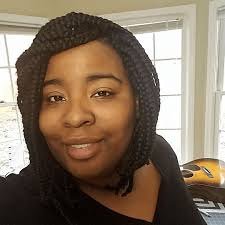 EditorTenesha L. CurtisVetted EditorFiction, Self-HelpUnited StatesEnglish (US)I have an academic and professional background in psychotherapy for addictive diseases, and currently work full-time as the publishing manager at Get Book Help. As an indie author myself, I have real-world, first-hand experience with exactly what my clients are experiencing—no theories, no hearsay, I…Manuscript assessmentQuery letter and synopsis reviewDevelopmental editing+25 more26 years300 booksView profile →
 EditorVicky HaygoodVetted EditorScience Fiction, FantasyUnited StatesEnglish (US)I am a freelance editor and publishing professional with 7+ years of experience providing developmental editing, line editing, copyediting, proofreading, and book production support. I specialize in fiction and author services, with experience across romance, romantasy, fantasy, science fiction, horror, speculative fiction, LGBTQ+ fiction, literary/upmarket…Copy editingProofreadingDevelopmental editing+6 more7 years40 booksView profile →
No one matches these filters.
Choosing your editor: Standard pricing assigns the best available editor for your genre. Named Specialists, including professionals with bestselling titles to their name, work to their own schedules, so their pricing and start dates are confirmed on your consultation call.
—ADD-ONS
Three book editing add-ons that solve specific manuscript problems
Most editing projects need only the levels you book. One add-on runs before you buy, and two solve a specific problem for less than adding a deeper editing level.
-
Before you buy
Sample Edit
$49
$49 for up to 1,000 words. You get your pages back edited with tracked changes and comments, plus a short note on which service your draft needs. The $49 comes off your edit if you book within 60 days. Fill in a short intake form first. One sample per manuscript.
Sample edits are not available for board books, picture books, rhyming picture books or early readers, because 1,000 words would cover most or all of the book. For these, start with a critique from $249 on our children’s book editing page.
- Up to 1,000 words
- Credited within 60 days
Get a $49 sample editUse it ifYou are about to book any editing level.
Skip ifA previous editor already diagnosed exactly which levels you need.
-
Between drafts
Beta Reader Coordination
$5995 readers
We recruit vetted, paid beta readers in your genre, run a structured questionnaire on pacing, character, plot, and ending, and turn the answers into one readable summary. New to beta reads? See what a beta reader is.
- 8 readers: $849
- Up to 120,000 words
- 4 weeks, before editing
Buy ifYou want reader feedback before committing to a developmental editor.
Skip ifYou have your own beta readers, or you are booking all four editing levels.
-
Instead of a full developmental edit
Editorial Assessment
$180up to 10,000 words
The same 8 to 20 page letter a developmental edit delivers, covering structure and chapter-level problems across your whole manuscript and ending with a revision roadmap. There are no notes in the manuscript, so you revise from the letter yourself.
- Then $0.018 per word
- 90,000 words: $1,620
- Credited within 60 days
Buy ifYou want a structural diagnosis without paying for a full developmental edit.
Skip ifYou want notes in the manuscript, which a developmental edit covers, or your structure is sound.
Beta reading runs outside your editing timeline. The Editorial Assessment is priced against the EFA 2026 median for manuscript assessment, and its fee is credited toward a developmental edit or a full edit booked within 60 days. It is the same letter a developmental edit includes, without the notes in the manuscript. Add-ons are quoted with your editing on the same call. All prices are in USD and exclude applicable tax.
—WHO WE WORK WITH
Six author scenarios that decide which book editor you need
The wrong editing level costs more than the right one. On a 50,000-word novel that needed only copy editing and a proofread ($2,000), booking all four levels costs about $3,200 more. A proofread on a manuscript with structural problems wastes the edit entirely. Find your situation below to see which book editing levels fit.
-
First-time novelist
You finished your first novel, and beta readers flagged a slow middle and unclear character motivation in chapter eight. After the eleventh re-read, you can no longer tell which problems are real.
- Developmental
- Line
- Copy
- Proofread
Our pick
All four levels
About 10.4¢ a word for fiction
Levels run in order; your date is in your quoteNovel editing on a first book almost always needs developmental work, and the editorial letter shows you exactly what to fix. Skip the developmental level only if a developmental editor has already been through it.
See fiction editing prices -
Second or third book author
Your last book sold and reviewed well, so you know your structure works. The new manuscript follows your established style and needs grammar, syntax, and consistency work.
- Developmental
- Line
- Copy
- Proofread
Our pick
Line, copy and proofreading
About 7.1¢ a word for fiction
Levels run in order; your date is in your quoteLine and copy editing, plus a final proofread, is the right depth when the structure is already proven.
See line, copy and proofreading prices -
Already edited manuscript
A developmental editor and then a copy editor have both worked on the manuscript, and you revised after each. You need one final clean pass before it goes to a designer for layout.
- Developmental
- Line
- Copy
- Proofread
Our pick
Proofreading
From 1.6¢ a word
3 to 7 business daysA proofread is built for a near-final manuscript: a fresh set of eyes catching whatever survived the earlier rounds.
See proofreading prices -
Memoir author
Your memoir covers sensitive personal material and decades of recall. Someone has to decide whether the timeline runs by date or by theme, and that call is hard to make from the inside.
- Developmental
- Line
- Copy
- Proofread
Our pick
All four levels
About 12.5¢ a word for memoir
Levels run in order; your date is in your quoteMemoir editing almost always benefits from a developmental pass, because you know the material too closely to judge its shape. Line and copy editing alone work only after a developmental edit.
See memoir editing prices -
Business or authority book
Your book teaches a framework or method you know completely, which makes it hard to see what readers still need explained, defined, or proven.
- Developmental
- Line
- Copy
- Proofread
Our pick
All four levels
About 14.8¢ a word for nonfiction
Levels run in order; your date is in your quoteBusiness book editing at the developmental level usually finds three to five chapters where readers lose the thread, and fixes them before publication.
See nonfiction editing prices -
Tight deadline project
Your launch date is eight weeks out, the manuscript is finished, and editing has to fit inside that window without cutting corners on quality.
- Developmental
- Line
- Copy
- Proofread
Our pick
Line, copy and proofreadingor all four levels if the structure needs work
From 7.1¢ a word
Your date is confirmed before you payTell us your launch date on the call, and we confirm in writing whether line, copy and proofreading, or all four levels, fit the window before you pay. A proofread alone is too light for an unedited manuscript.
Compare editing prices
None of these sound like your book? Send a $49 sample edit of up to 1,000 words, and you get a short note on which levels your manuscript needs.
—WHAT WE DO
Four professional book editor levels, from manuscript-shaping to comma-fixing
Manuscript editing services are sold as a single line item, but the four EFA levels are four separate jobs. Watch each one at work, from rebuilding a chapter to replacing a semicolon. For what you get back from each level, see what a book editor does.
Level 1 · The structural level
Developmental Editing
A developmental editor reads the manuscript as a whole and finds what is broken underneath the prose: weak chapter openings, sagging middles, contradictory character motivations, and thesis statements that drift.
- You need it when
- The foundation is unstable. It is wasted when the structure is fine.
- You get
- An 8 to 20 page editorial letter plus chapter-level margin notes.
$330 to $450 up to 10,000 words by genre, then $0.033 to $0.045 per word. Developmental editing services
Level 2 · The sentence-level craft pass
Line Editing
A line editor rewrites your prose for rhythm, clarity, voice consistency, paragraph flow, and word-level precision, with comment threads explaining each rewrite.
- You need it when
- The structure works but the prose is uneven. It is the most labor-intensive level after developmental.
- You get
- Tracked changes throughout the manuscript, with comments.
$310 to $430 up to 10,000 words by genre, then $0.031 to $0.043 per word.
Level 3 · The technical correctness pass
Copy Editing
A copy editor catches grammar, punctuation, spelling, and capitalization errors, plus continuity slips like eyes that are brown in chapter 3 and blue in chapter 17. It also checks your style guide: Chicago, AP, or house style.
- You need it when
- Always, before publication. Skipping it is a common cause of 1-star reviews.
- You get
- Tracked changes plus a style sheet documenting every decision.
$240 to $350 up to 10,000 words by genre, then $0.024 to $0.035 per word.
Level 4 · The final read before press
Proofreading
A proofreader catches what survived copy editing: typos introduced during revision, missing words, dropped punctuation, formatting glitches, and layout issues if the manuscript has been typeset.
- You need it when
- Every other level is complete. It is the last line of defense, never a substitute for the levels above it.
- You get
- Corrections marked on your final manuscript or typeset pages.
$160 to $250 up to 10,000 words by genre, then $0.016 to $0.025 per word.
Need more than one level? Book them together and they run back to back, in order: developmental, line, copy, then proofreading. See prices by genre or see every rate.
—WHAT YOU GET
What professional book editing services include and what cheap quotes hide
Most book editing companies hide scope behind price-per-word quotes, which is why “best book editing services” lists rank providers on price alone. This chart sets each way to hire a book editor, from freelance platforms to online book editing services to full agencies, against what it typically includes.
AuthorWings vs other book editing companies on price, scope, and editor experience
| Way to hire | Price per word | NDA signed | Genre match | Revision rounds | Style sheet | Single point of contact | Reassignment | Score |
|---|---|---|---|---|---|---|---|---|
| Freelance platformsMarketplace listings, lowest price tier | $0.005 to $0.015 | Not included | Not included | Not included | Not included | Not included | Not included | 0 / 6 |
| Solo freelance editorsIndependent editors quoted directly | $0.015 to $0.045 | Informal only | Variable | Variable | Variable | Not included | Not included | 2 / 6 |
| Online editing marketplacesVetted editors, marketplace structure | $0.025 to $0.060 | Included | Included | Included | Included | Not included | Not included | 4 / 6 |
| Traditional editorial agenciesPremium-priced full-service agencies | $0.060 to $0.120 | Included | Included | Included | Included | Included | Variable | 5.5 / 6 |
| AuthorWingsFour levels priced by genre, $49 sample edit | $0.016 to $0.045 | Included | Included | Included | Included | Included | Included | 6 / 6 |
Price bars run from $0 to $0.12 per word. Scope is scored on an NDA signed, genre-matched editor assignment, revision rounds in the contract, a style sheet deliverable, a single point of contact across every level, and the right to reassign your editor. Price ranges reflect typical industry quotes for manuscript editing. Source: EFA published rates and industry benchmarking.
—How it works
How professional book editing services work in 6 steps
Most editing problems start when author and editor never agree on what the manuscript needs. These steps settle that before you sign, and you approve every stage.
-
Days 1 to 3 · $49
Sample Edit
EDWeEdit your 1,000 words with tracked changes and comments, plus a short note on which service your draft needs. The $49 comes off your edit if you book within 60 days.
YOUYour partFill in the short intake form, then send a chapter that represents the whole book, not just your strongest one.
-
Days 4 to 5
Quote and Your Editor
EDWeSend one quote with price, delivery date, and payment milestones, plus the editor matched to your genre, with their profile and samples.
YOUYour partReview the editor and the quote. It stays valid for 30 days.
-
Week 1You approve
Contract and NDA
EDWeYour editor signs an NDA before receiving your full manuscript. Your timeline starts the day you sign.
YOUYour partSign, then send the manuscript as a Word file, plus any style sheet you already have.
-
Most of the timeline
The Edit
EDWeEdit the whole manuscript at the levels you booked, in order, with tracked changes and comments. A developmental edit comes first and includes an 8 to 20 page editorial letter. If the book needs more than the sample showed, we tell you first. You are never charged more without approving it.
YOUYour partAnswer any questions the editor leaves in the comments.
-
Within the timelineYou approve
Your Review
EDWeTake your revised file to the next level you booked. When proofreading is part of your edit, it runs last, on the final file.
YOUYour partAccept or reject every tracked change. The final say on every line is yours.
-
End of the timeline
Final Files
EDWeDeliver a clean Word file and a tracked-changes copy. With copy editing, you also get a style sheet that keeps your next book consistent with this one.
YOUYour partTake it to design, or add cover, formatting, and publishing with an Author-Polished Bundle.
- Never charged more without your OK
- Free editor reassignment if the fit is wrong
- Timelines hold to 60,000 words
Not sure which levels your manuscript needs? Get a $49 sample edit
Book editing services questions authors ask before sending the manuscript
The questions below come up on nearly every discovery call. If yours is not here, the contact options at the bottom of the page reach a real human.
What is the turnaround time for book editing, and does a longer manuscript take longer?
Each level has its own window, counted from the day you sign the contract: developmental editing 15 to 25 business days, line editing 7 to 12, copy editing 5 to 10, and proofreading 3 to 7. Those windows hold to 60,000 words, and longer manuscripts take longer. When you book several levels, they run in order, and your exact delivery date is in the quote before you pay. If you have a launch date, tell us on the call and we will confirm whether it fits.
How do I find and hire a book editor?
Shortlist two or three editors who work in your genre, and ask each for a sample edit of your own pages. A portfolio shows someone else’s finished book, while a sample shows what happens to yours. Before you pay, check three things: genre experience, what happens if the first round misses, and whether the quoted level matches what your draft needs. Most authors find editors through the Editorial Freelancers Association directory, author referrals, or agencies that match editors to books. At AuthorWings, the sample costs $49 and comes off your edit, your editor is matched to your subgenre, and reassignment costs nothing.
Do self-published authors need book editing services?
Yes. Self-publishing editing services matter more, not less, because no publisher’s editor checks your book before readers see it, and readers still compare it with traditionally published titles that went through developmental, line, copy, and proofreading passes. Most books need at least copy editing and a proofread before publication. Whether you also need developmental or line editing depends on the draft, and a $49 sample edit shows you. Once the edit is done, our book publishing services cover design, formatting, and distribution.
What if I send the manuscript and the editor recommends a deeper level than I booked?
You are never charged more without approving it first. This happens occasionally on projects where the sample chapter was the strongest part of the manuscript. The editor flags the mismatch before starting the edit, with a written note explaining what the manuscript actually needs. You then choose: keep the levels you booked (the editor does what was contracted, knowing the manuscript needs more) or add the deeper level, with the price difference quoted transparently. No surprise upgrades mid-project.
Will the edited manuscript look like my voice or like the editor’s voice?
Like yours. A good editor strengthens your existing voice rather than replacing it. Line edits that read like the editor wrote them are a sign the editor is overstepping, and that is grounds for pushback or editor reassignment. The sample edit is your first checkpoint: if the sample feels like your prose, only sharper, the editor is doing the job correctly. If it feels like a different writer, tell us before you sign, and we will talk it through on a call.
What if I disagree with the editor’s changes?
You accept or reject every tracked change. The editor cannot override your decisions. If you reject a change the editor strongly recommends, the comment thread explains the editorial reasoning, and you can decide based on that. The author has final authority on every line. Rejected changes can be discussed again at the next level, if needed.
What happens if my editor becomes unavailable mid-project?
The reassignment clause activates. The new editor inherits the existing tracked-changes file, comment threads, style sheet (if started), and editorial letter (developmental editing). You do not start over. The existing edit work continues from where it left off, with the new editor maintaining consistency with the tone and decisions already made. No additional cost.
Is my manuscript confidential?
Yes. Your editor signs a project NDA before receiving the manuscript, and a mutual NDA is available before the first call if you ask. You keep 100% of the rights to your work. Your manuscript is never uploaded to AI tools or training pipelines, as set out in our AI Policy.
Do your editors use AI on my manuscript?
No. Every editing pass is done by a human editor. Your manuscript is never uploaded to an AI training pipeline, pasted into ChatGPT for “first-pass” work, or shared with any third-party tool that retains text. During copy editing, an editor may use deterministic consistency checkers such as PerfectIt and the Word grammar checker, and reviews every suggestion before it reaches your file. Our full position is in our AI Policy.
Which genres do your editors specialize in?
We have editor specialists for memoir, business and authority books, academic and technical writing, romance, thriller, fantasy, sci-fi, literary fiction, children’s books from picture books to YA, poetry collections, and screenplays. The intake form asks for your genre, and we match accordingly. Picture books, early readers and chapter books have flat prices on our children’s book editing page. If your manuscript is in a niche outside the standard pool, we tell you on the consultation call rather than guessing.
Can the editor work to a specific style guide?
Yes. The default is the Chicago Manual of Style for fiction and nonfiction in the US, AP Stylebook for journalism-adjacent nonfiction, APA, MLA, or Modern Humanities Research Association for academic work depending on your field, and house style for trade publishers if you have one. If you have a custom style sheet from a previous editor or publisher, send it with the manuscript and we will follow it. The editor will document any deviations.
Can you edit in British (UK) English, not just US English?
Yes. The editor follows the English variant and style guide you specify, whether that is US spelling with Chicago, UK spelling with New Hart’s Rules or your house style, or Canadian or Australian conventions. Tell us your preferred variant on the intake form, or send an existing style sheet, and the editor documents every choice so spelling, punctuation, and vocabulary stay consistent throughout. If you are unsure which convention fits your market, we will flag it during the sample edit.
Do you offer sensitivity reads?
Yes, as a separate service quoted outside the editing levels. Sensitivity reads are done by specialists with lived experience of the identity, culture, or subject on the page. When a manuscript would benefit from one, such as memoir touching on race, faith, disability, or trauma, or fiction with characters outside your own experience, we flag it in the sample edit and connect you with a reader. The read runs alongside editing where possible.
Can I send the manuscript in chunks as I finish it?
Generally no. Editing requires the whole manuscript to evaluate pacing, structure, and through-line. The exception is a proofread on its own, where the manuscript should already be near-final, in which case chunked delivery is fine. For every other level, send the complete manuscript. If you want craft guidance while writing, book coaching is the better fit.
What file format should I send my manuscript in for editing?
Microsoft Word (.docx) is the default. Tracked changes work natively in Word, which is the format we return the edit in. Google Docs is acceptable. We convert it to Word for the edit and return both versions. Scrivener, Pages, plain text, or PDF need to be converted to Word before editing begins, ideally by you so the formatting matches your intended structure.
Does editing guarantee my book will be completely error-free?
No, and any editor who promises a 100% error-free manuscript is overselling. Layered editing catches the great majority of errors before publication. Copy editing fixes grammar, punctuation, and consistency, and the final proofread catches typos introduced during revision. Booking line, copy and proofreading gives your manuscript several passes, with the proofread run last on the revised file, because a few stray errors can survive any human process.
Can the same editor edit my next book?
Yes. The style sheet from book one transfers automatically. The voice work is already calibrated. Editor and author continuity is what makes the second book move faster than the first. We track editor-author pairings and prioritize continuity on repeat engagements. Pricing on book two follows the same per-genre rates, with no loyalty penalty for coming back.
Where can I find a book editor near me?
You do not need a local editor, because book editing is remote work and a tracked-changes file is the same from any city. AuthorWings is registered in Brooklyn, New York, with editors across US time zones, and works with authors in the US, UK, Canada, and Australia. Manuscripts, samples, and revision rounds move by email. When searching for book editing services near me, the questions worth asking are time-zone overlap and response time.
Start with a $49 sample edit, then see what your editing will cost
Send up to 1,000 words from any chapter. Within 3 days, you get them back edited with tracked changes and comments, plus a short note on which service your draft needs. The $49 comes off your edit if you book within 60 days. Want numbers first? Build your own package in the price calculator, or book a call with an editor who will tell you honestly whether we are the right fit.
Your $49 sample editBack in 3 days
How the sample works
- SendUp to 1,000 words from any chapter, for books over 2,500 words
- EditedYour 1,000 words, with every change shown
- RecommendedA short note on which service your draft needs
- CreditedThe $49 comes off your edit within 60 days
No contract. Picture books and early readers start with a children’s book critique, from $249.
A mutual NDA is available before the call on request, you keep 100% of the rights to your work, and nothing is signed until you decide.