Children’s Book Publishing Services
Self publish a children’s book, built around illustration
Three things decide whether a children’s book works: the illustration, a fixed-layout ebook whose pages stay exactly as designed, and the right age category in every store. Our children’s book publishing services handle all three in one project, so you can self publish a children’s book, from board books to young adult, with one team. A 32-page picture book costs $1,542 to $4,493 to publish with us, and publishing alone starts at $249. Every store account is opened in your name. Writing for adults too? See every genre we publish.
Sample work
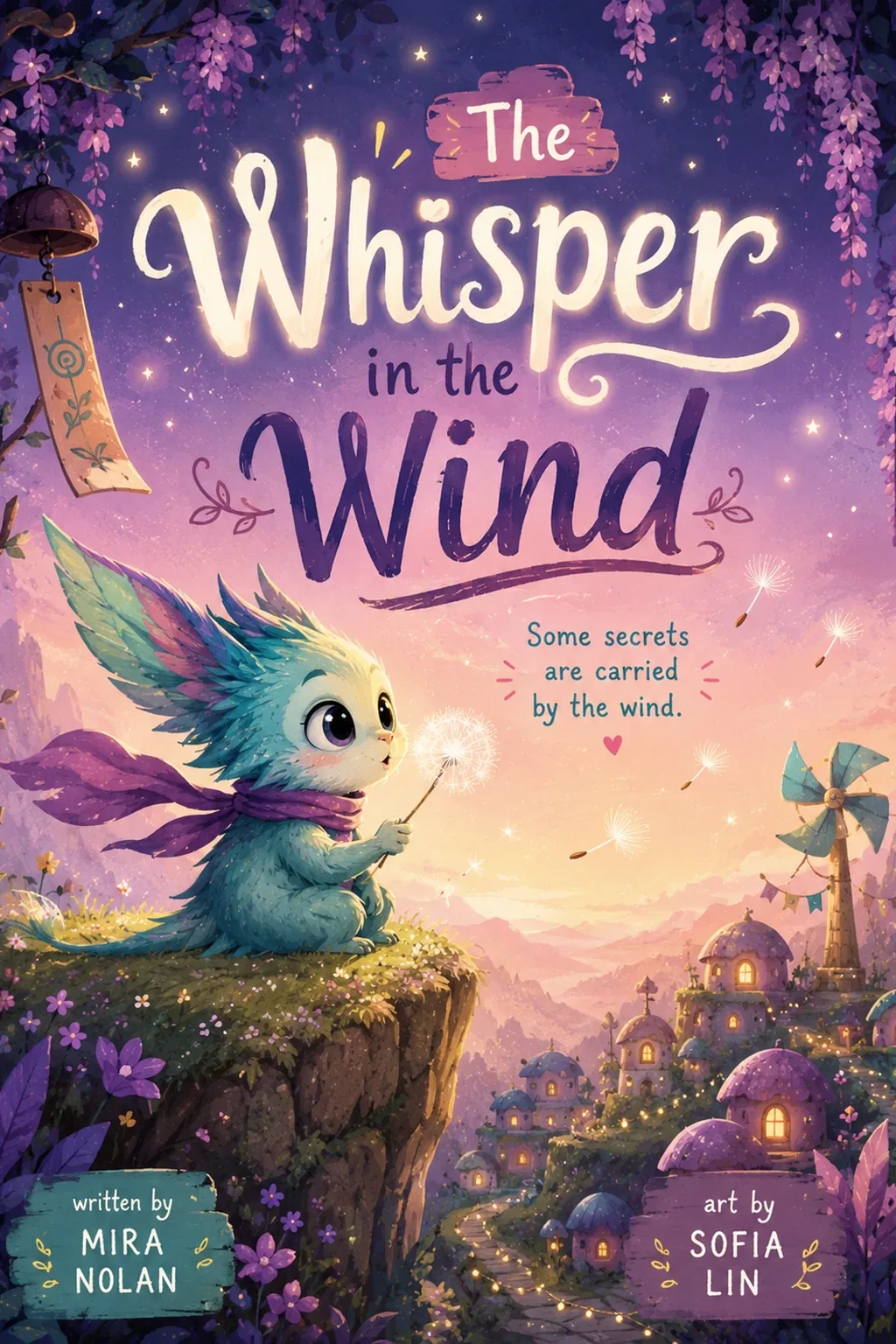
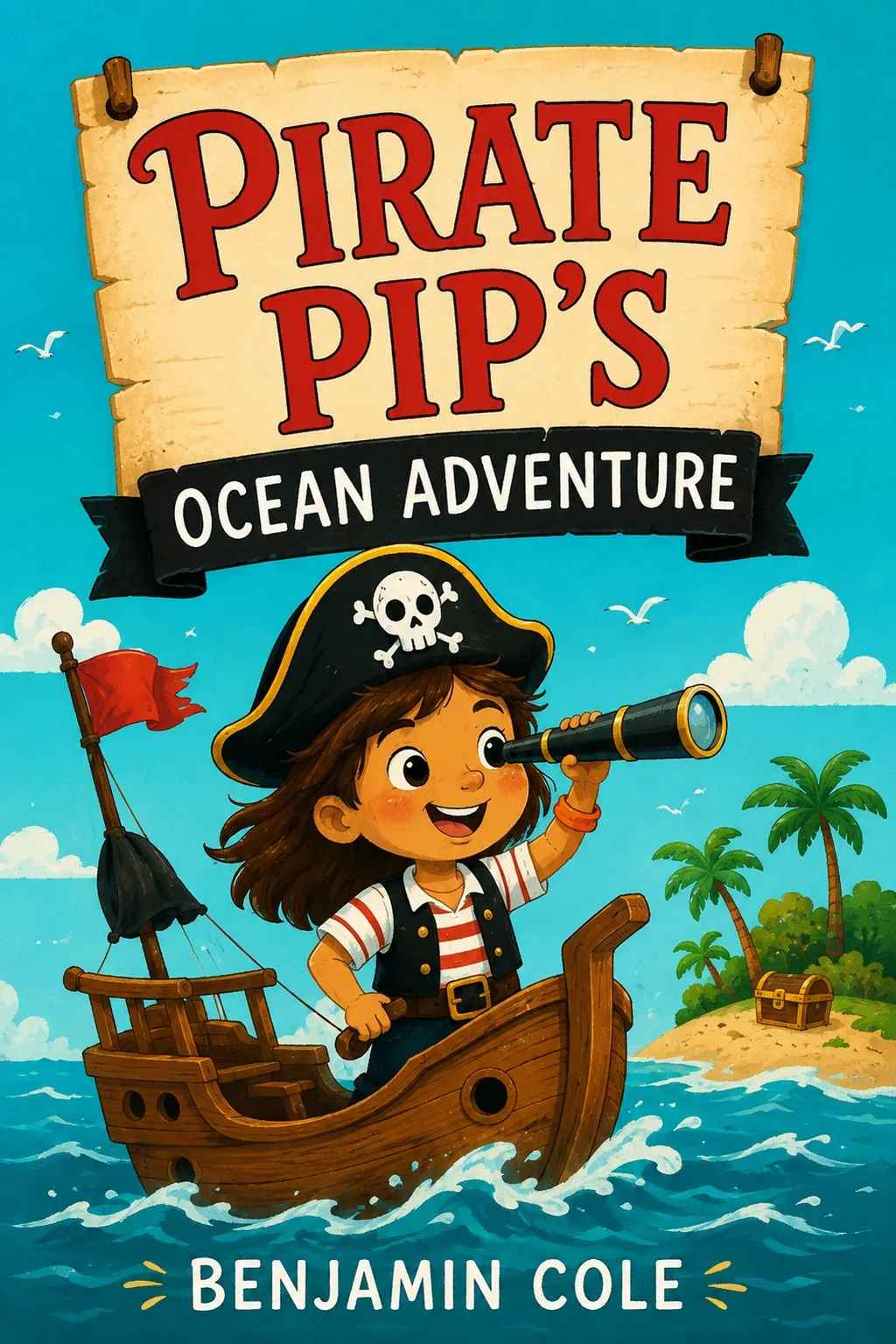
Sample children’s book covers and picture book spreads
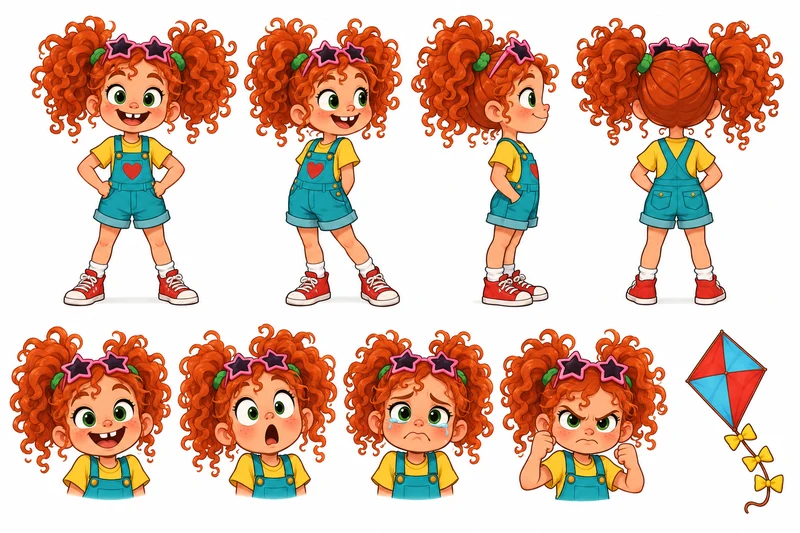
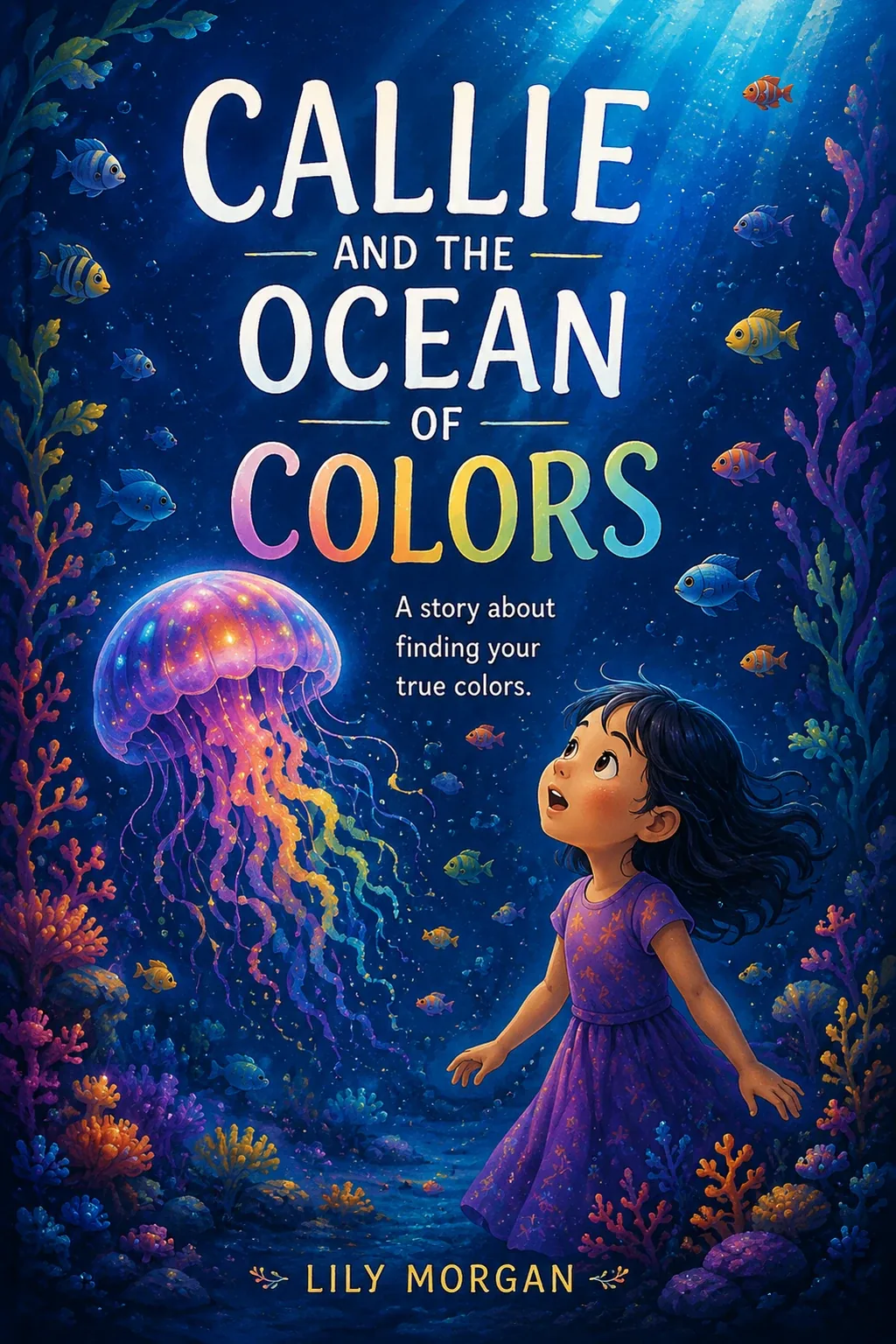
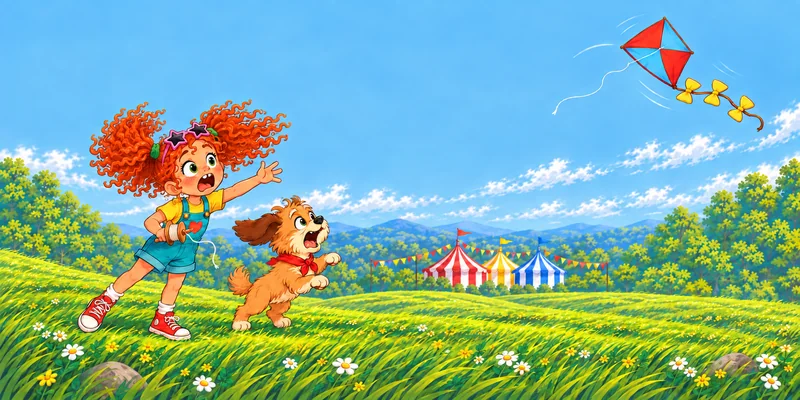
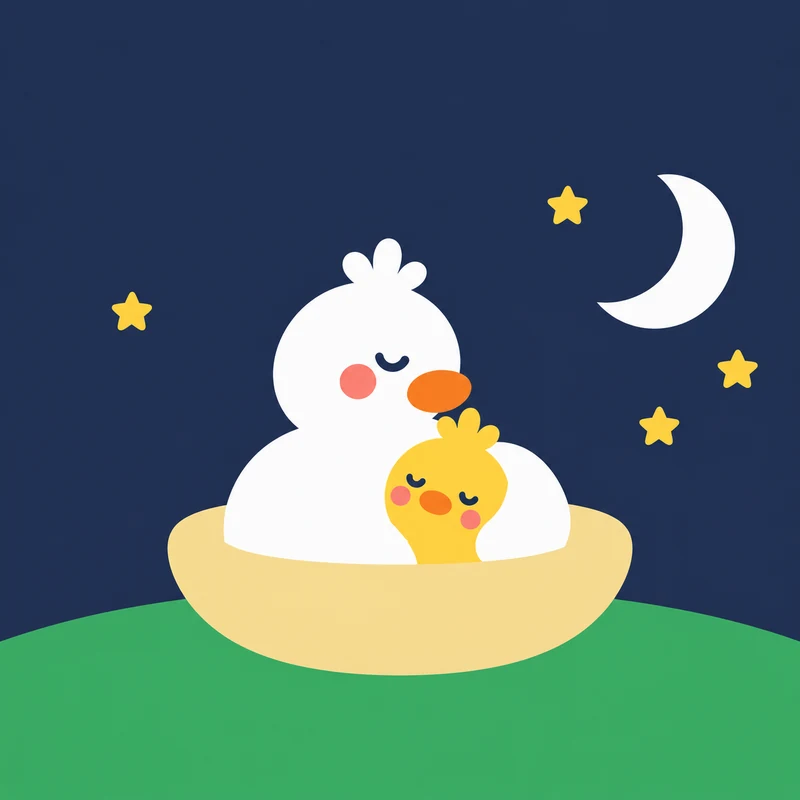
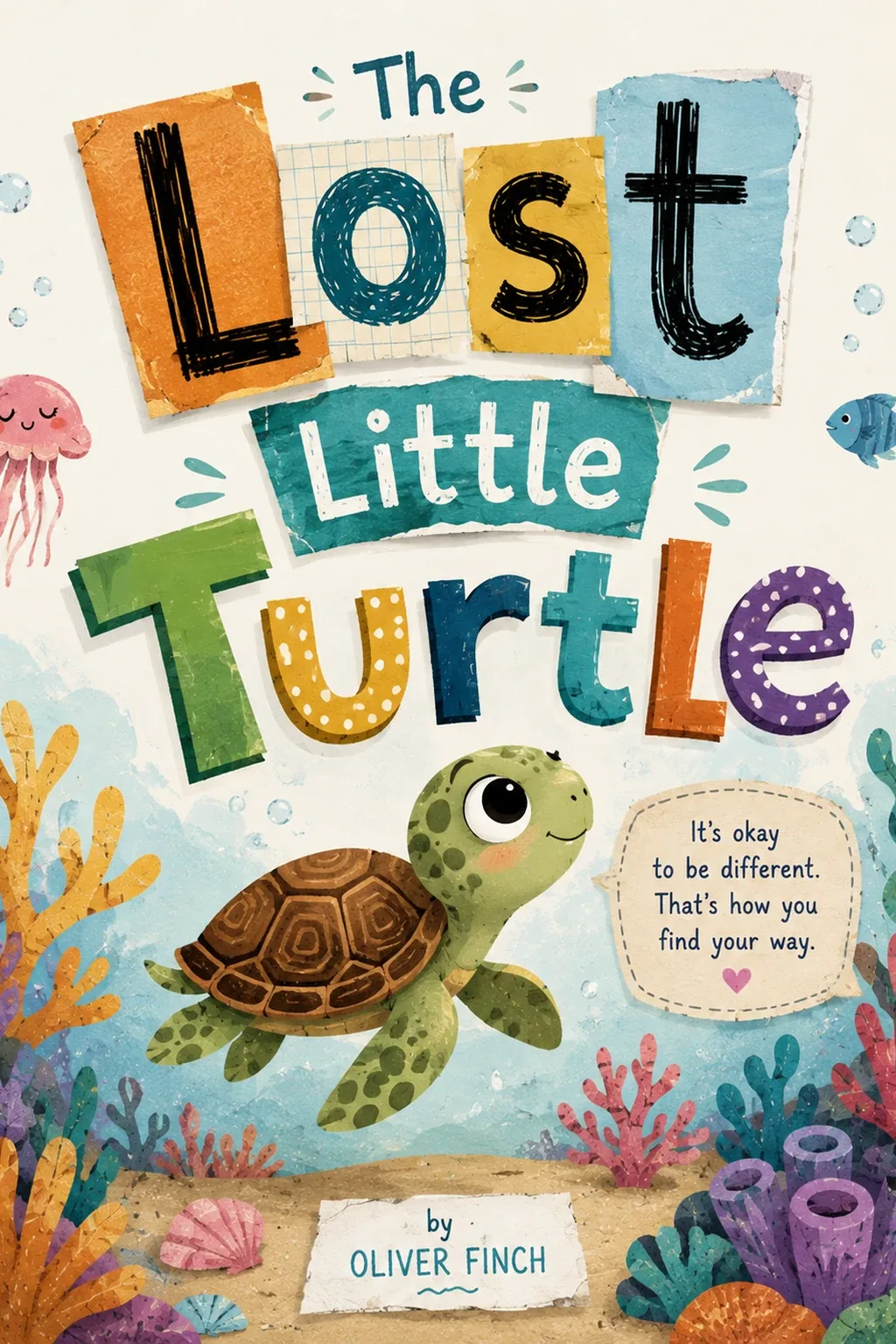
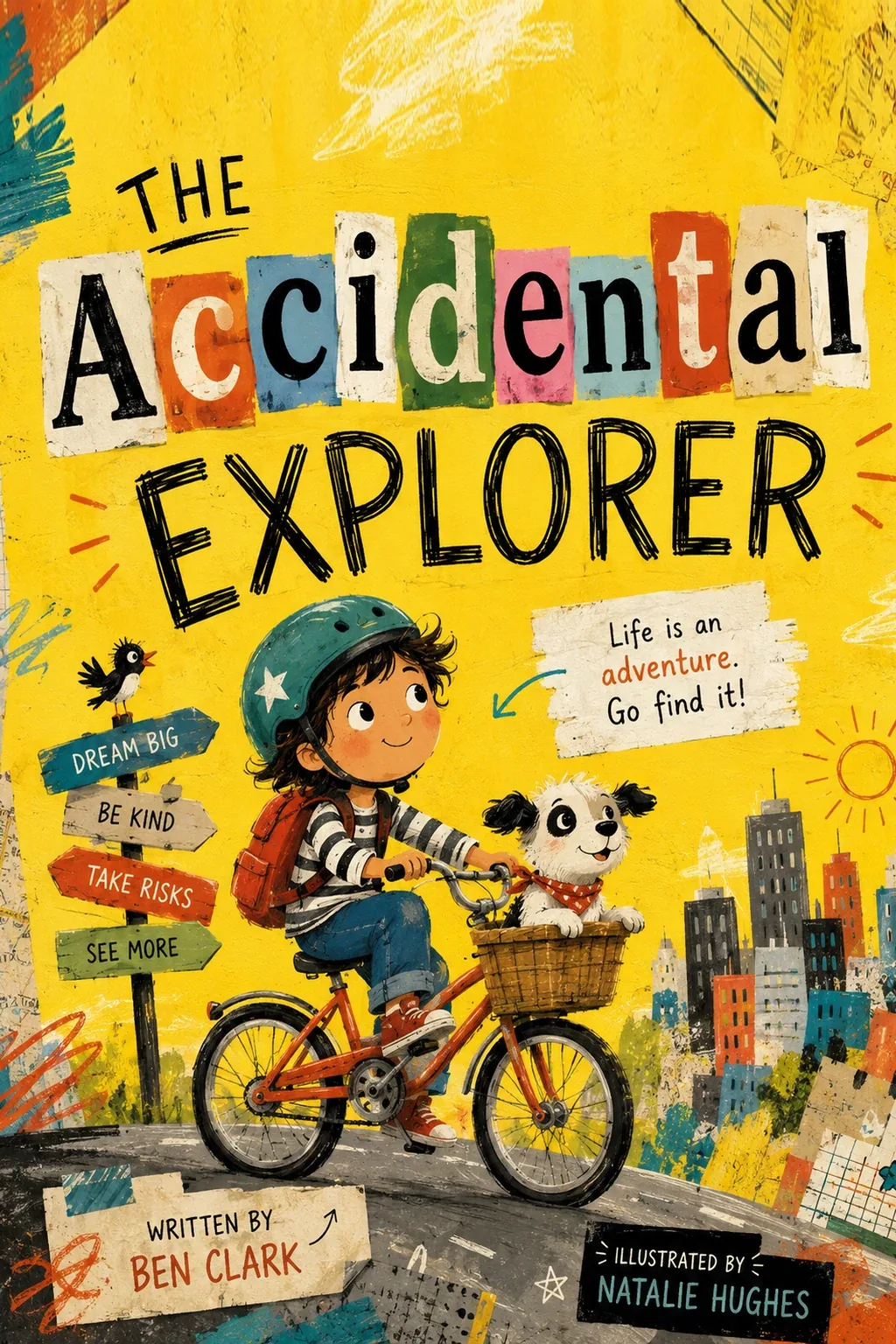
Our designers and illustrators made these samples to show the quality and range your book gets. The titles are portfolio pieces, created in-house. The spreads come from one sample picture book, drawn by one illustrator from the first character sheet to the last page.
Sample children’s book covers
See more children’s cover samples →Swipe or use the arrows to see more. Tap any image to see it large.
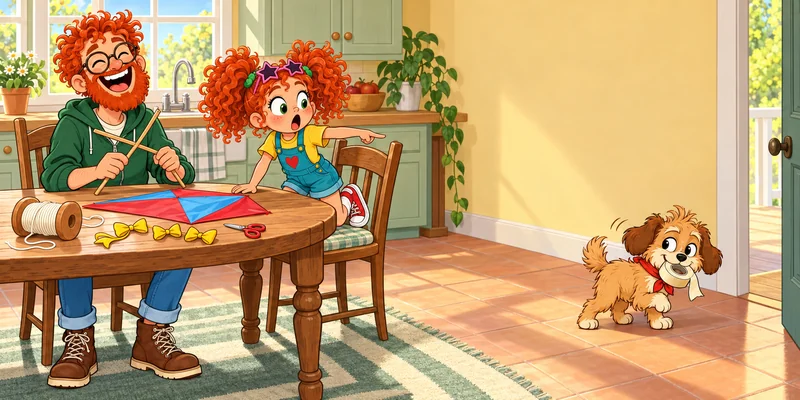
Sample picture book spreads, Maddie and the Runaway Kite
See the full illustration portfolio →Category Expertise
Six children’s book categories we publish
Format, cover code, page count, and discovery channels shift with the age band. Here is how publishing setup changes across the six categories where many children’s authors publish.
Swipe the categories sideways to see all six.
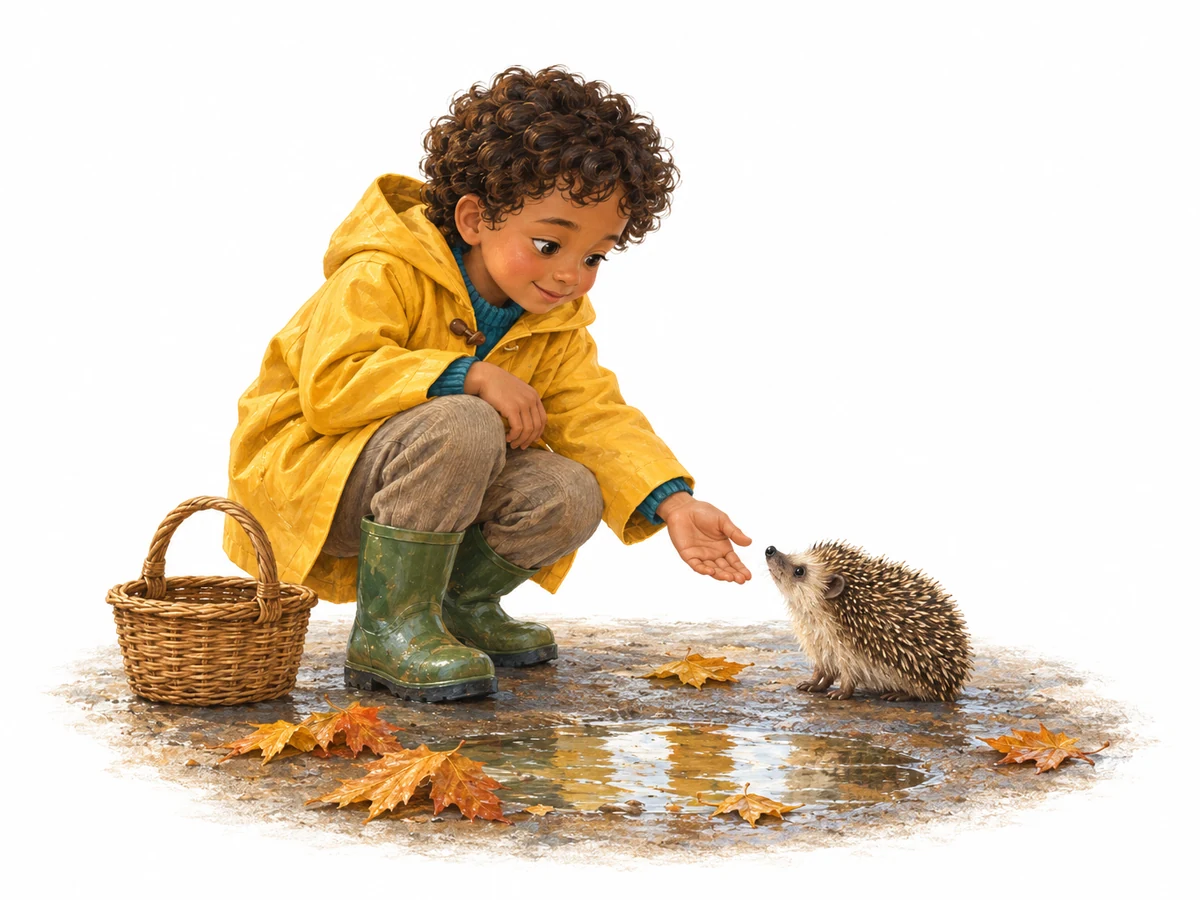
Picture Books and Board Books (ages 0 to 7)
Publishing a children’s picture book takes fixed-layout ebook formatting (pages that stay exactly as designed), premium color print paper, and illustration planned around every page turn. Board books need an offset printer, since KDP (Amazon’s publishing platform) and IngramSpark (the service bookstores and libraries order from) do not print board books.
Ages
3 to 7 for picture books, 0 to 3 for board books
Word count
400 to 800 (picture), 100 to 200 (board)
Format
32 pages and 14 to 16 illustrated spreads, or 12 to 24 printed pages on 6 to 12 board leaves
Cover
A large character on a contrasting color field, with a hand-lettered or rounded title
Audience: Parents and grandparents in gift sections, baby shower and new-parent buyers, library acquisitions, and preschool teachers building read-aloud collections.
Early Readers (ages 5 to 8)
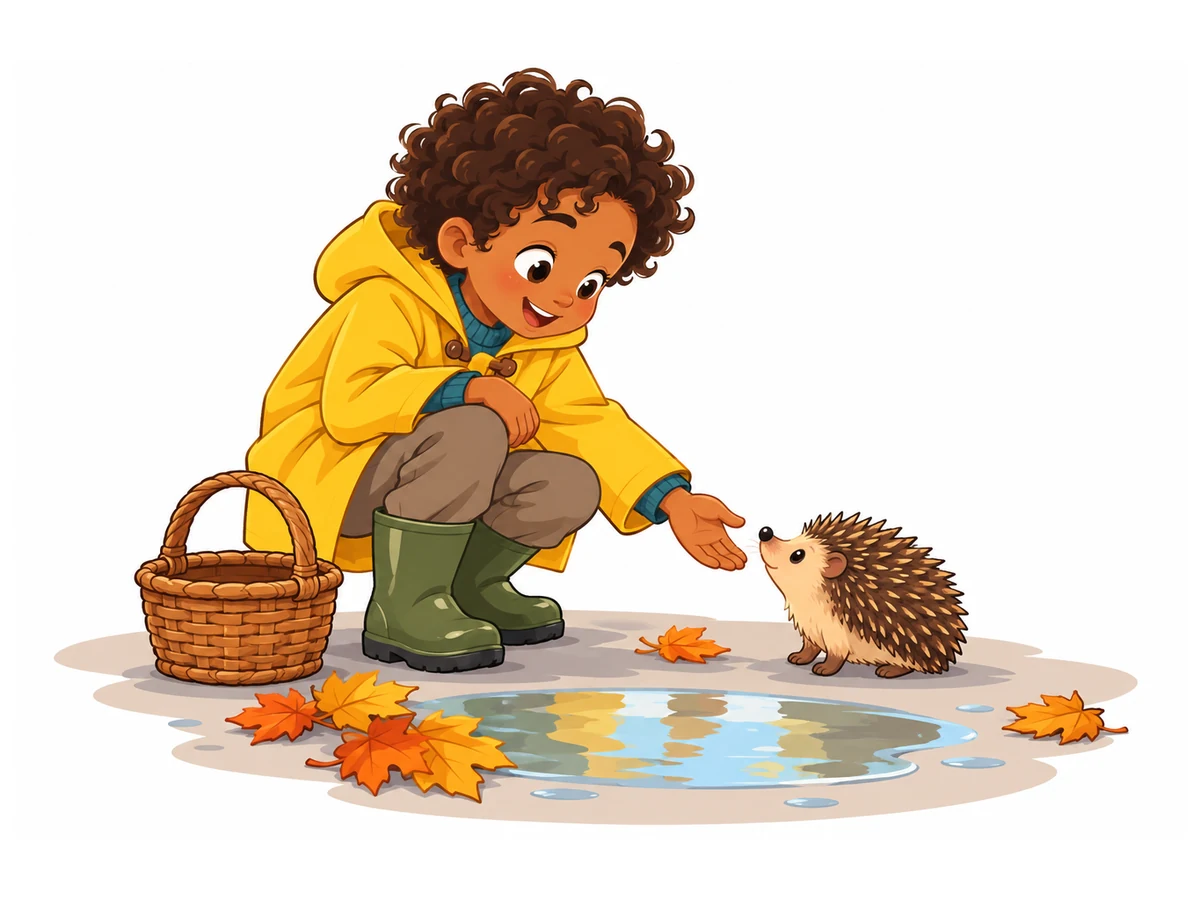
Early reader publishing balances controlled vocabulary with a real story, so developing readers feel capable and entertained. Vocabulary and chapter pacing decide whether a six-year-old finishes the book.
Ages
5 to 8
Word count
1,000 to 2,500
Format
Short chapters, larger type, and spot illustrations on most pages
Cover
Clear character focus, a title a six-year-old can read, and a palette that signals fun without talking down
Audience: Parents of beginning readers, elementary reading programs, and after-school enrichment buyers.
Chapter Books (ages 7 to 10)
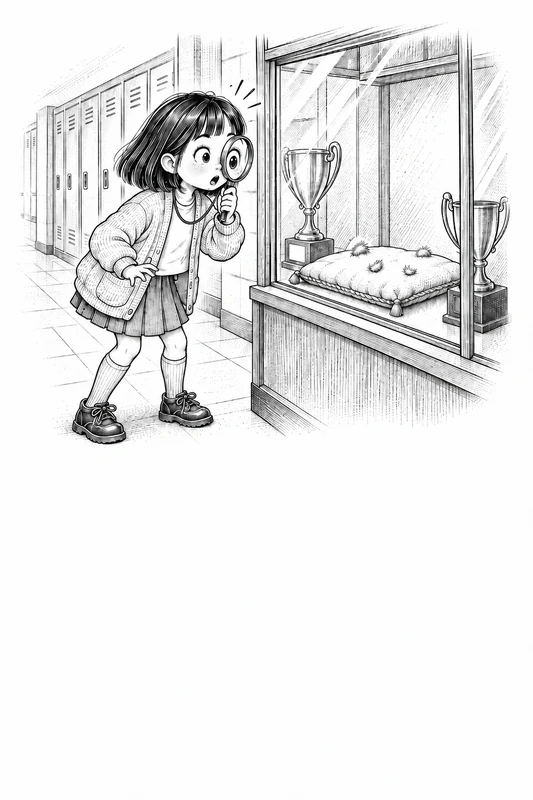
Chapter book publishing builds the reading stamina that prepares young readers for middle grade fiction. Text carries the story, and occasional black-and-white art carries the pacing.
Ages
7 to 10
Word count
5,000 to 12,000
Format
6 to 12 chapters, occasional black-and-white illustrations, paperback first
Cover
A character on an action background, series-friendly title type, and color coding for a series
Audience: Parents, school book fair organizers, library curators, and second and third grade teachers.
Middle Grade (ages 8 to 12)
Middle grade publishing has strong series potential and busy school and library markets, with readers who often follow a series from book to book. Not sure if your book is middle grade or YA? See middle grade vs young adult.
Ages
8 to 12
Word count
25,000 to 50,000
Format
Full novels in paperback and hardcover, with optional chapter-opener art and maps
Cover
An illustrated character or atmospheric scene, distinct title type, and an age-cued palette
Audience: School librarians, readers aged 8 to 12 buying for themselves, parents, award-minded teachers, and book fair pre-order programs.
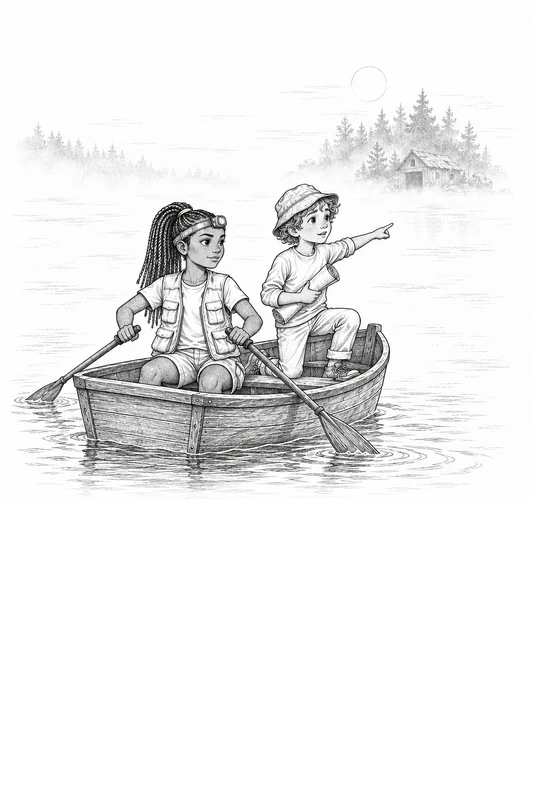
Children’s Non-Fiction and Educational Books
Children’s non-fiction publishing covers science, history, biography, nature, and social skills in formats that make learning feel like discovery.
Ages
Set by the book, from picture book age to middle grade
Word count
1,000 to 20,000, depending on age
Format
Photographs, diagrams, or stylized art, clear chapter breaks, optional bilingual editions
Cover
Vivid subject photography or graphic illustration, an informational subtitle, and a professional educational palette
Audience: Educators, parents looking for learning content, homeschool curricula, and school supply catalogs.
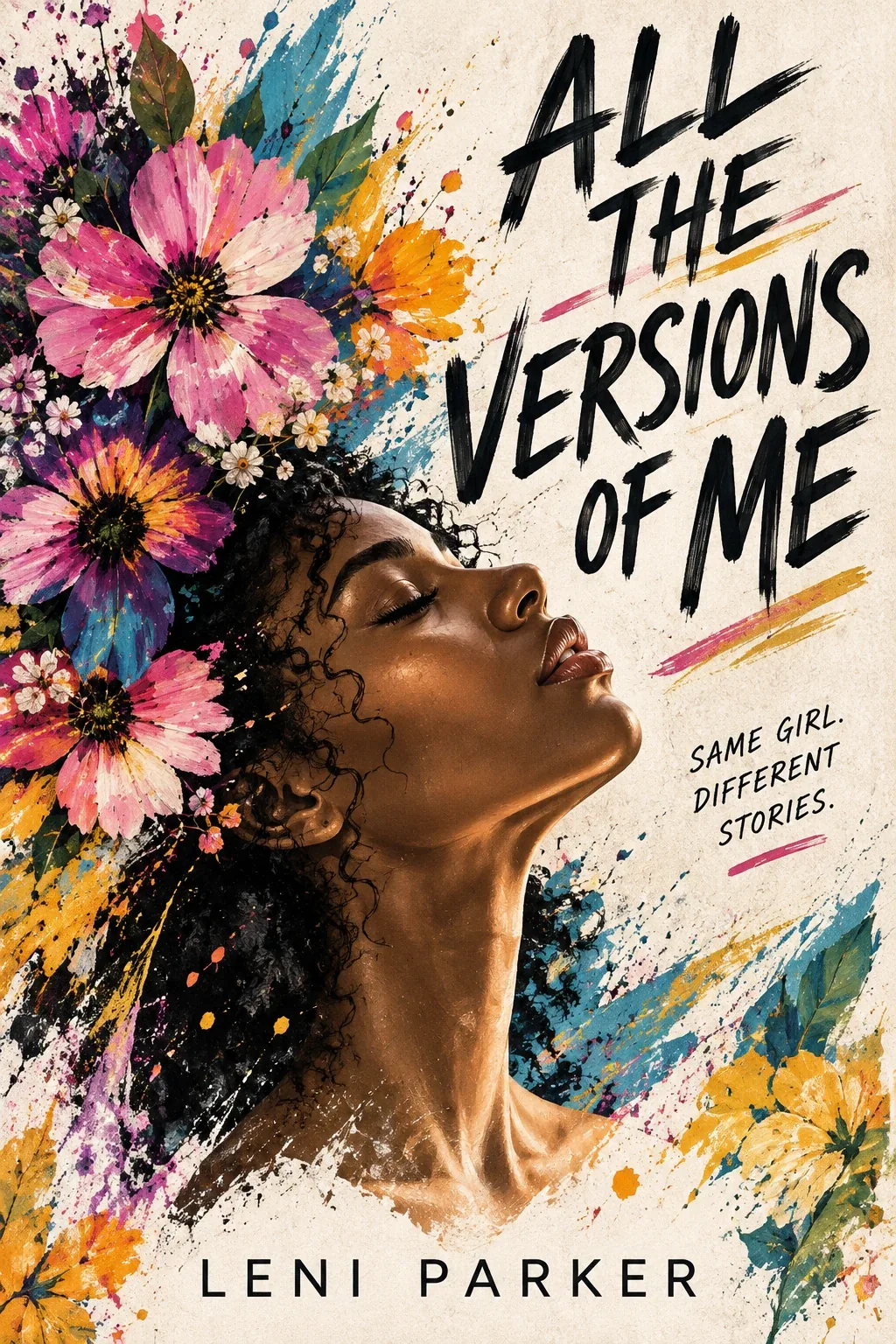
Young Adult (ages 12 to 18)
Young adult publishing has its own cover language, marketing channels, and reader community, separate from adult fiction and middle grade.
Ages
12 to 18
Word count
50,000 to 90,000
Format
Novels in paperback and hardcover
Cover
A typographic title over photographic or illustrated key art, colors teen readers expect, and nothing that reads as childish
Audience: Teen readers, school librarians, the BookTok community, parents of older kids, and YA book club selectors.
Cost
How much does it cost to publish a children’s book?
Publishing a children’s book costs from $249 if your book is finished and only needs publishing, up to $25,417 for a 70,000-word young adult novel written for you. A children’s book you wrote yourself costs $1,542 to $8,519 to self publish with us, from a picture book with your own art to a fully edited young adult novel. Picture books and early readers cost the most per word, because illustration is part of the book.
Cost to self publish a children’s book, by type
Ebook and paperback in five stores, at our published prices, for the length shown, with design and publishing at bundle prices. Longer books add editing and formatting by the word.
Picture book
Ebook on Amazon only from $937. For hardcover, bookstores and libraries, choose Global publishing ($999): $1,947 with your own art. See how a hardcover picture book is set up.
These totals include a copy edit for a text that is already revised. If the story still needs work, a full picture book edit is $599 instead of $240. See picture book editing.
Board book
Printing is separate. Board books need an offset print run, priced by the printer on quantity, since KDP and IngramSpark do not print on board stock.
Early reader
Chapter book
The text-only total includes a copy edit. If the story still needs work, a full chapter book edit is $999 instead of $240. See chapter book editing.
Middle grade
Many middle grade covers are illustrated, which adds $540 to the Edited option. An Amazon hardcover adds $71 to it, and the fully edited option already includes one. Chapter-opener art and maps are optional, from $99 each, plus $6 each to place them in the layout.
Children’s non-fiction
Young adult
An Amazon hardcover adds $71 to either self-written option.
What each children’s book service costs
Buy only the steps your book still needs. Children’s book formatting, illustration and editing are each priced on their own.
Children’s book editing
Flat prices by book type from editors who work in children’s books: story, line and copy edit in one pass, with a read-aloud pass on every book up to 12,000 words.
- Proofread$140
- Copy edit, up to 10,000 words$240
- Critiquefrom $249
- Picture book edit$599
- Chapter book edit$999
Copy editing past 10,000 words is $0.024 a word. Middle grade and young adult use our fiction editing rates, priced per word.
See children’s book editing prices →Children’s book illustration
Matched to your age category and story tone, with rounds of changes from sketch to final art, a locked character bible (a guide to how each character looks) for series continuity and full rights to the art. Packages include character design, cover art and book formatting.
- Spot illustration$99
- Half page$149
- Full page$199
- 16 illustrations$2,595
- 24 illustrations$3,495
Children’s book cover design
Built against current bestsellers in your age category, with type that reads clearly at thumbnail size. Multiple concepts, layered source files and full ownership on every tier.
- Ebook$199
- Ebook, paperback, hardcover$399
- With a custom illustration$999
Children’s book formatting
Fixed-layout ebooks that hold every picture book spread on Kindle, Apple Books and Kobo, premium color paper for full-color print, and standard interiors for chapter books and middle grade.
- Picture book ebook$249
- Picture book print$299
- Picture book, both$499
- Chapter book, middle grade, all three editionsfrom $429
- Photo and diagram layout$1,495
Children’s book publishing
Amazon KDP, IngramSpark, Apple Books, Kobo, Google Play and Draft2Digital, with age-category metadata and IngramSpark hardcover on the Global tier. Every account is opened in your name, and you keep 100% of your royalties.
- Amazon: Kindle ebook$249
- Online Stores: five stores plus paperback$549
- Global: hardcover, bookstores, libraries$999
Children’s book ghostwriting
Your idea written for the age group and read-aloud rhythm, in bedtime, adventure, values or rhyming styles, with full-color illustrations, editing and formatting included and no AI drafting.
- Up to 1,000 words$3,999
- Up to 6,000 words$5,999
- Up to 25,000 words$11,499
Picture book costs, three ways to start
Where you start depends on what you already have. Each path runs through the same team, and you keep 100% of your royalties and rights on all three.
You have the text and the illustrations
- EditingCopy edit$240
- Cover designEbook, paperback, hardcover$399
- Picture book formattingEbook and print$499
- PublishingFive stores plus paperback$549
- Ebook on Amazon only$937
- With hardcover and libraries$1,947
You have the text, but no illustrations
- Illustration package16 illustrations and cover art$2,595
- EditingCopy edit$240
- Cover designEbook, paperback, hardcover$399
- Picture book formattingIncluded in the package$0
- PublishingFive stores plus paperback$549
- Ebook on Amazon only$3,193
- With hardcover and libraries$3,953
You have a story idea, but no manuscript
- GhostwritingText and 16 illustrations$3,999
- EditingIncluded
- Picture book formattingIncluded in ghostwriting$0
- Cover designEbook, paperback, hardcover$399
- PublishingFive stores plus paperback$549
- Ebook on Amazon only$4,447
- With hardcover and libraries$5,257
Prefer to write it yourself? Read how to write a children’s book.
Line prices are shown one by one, and the typical totals are package prices.
Where the money goes
On Path 2, illustration takes $2,595 of a $3,593 budget. Editing is the smallest line, because a picture book is short.
What it costs to print your own children’s book
Amazon prints each copy when it sells and takes the cost from the sale, so nothing is paid upfront. See how Amazon’s printing costs and royalties work.
For school visits and events, order author copies at print cost through your own IngramSpark account.
Ways to spend less on a children’s book
- Bring finished files and pay for publishing only, from $249. See publishing only below.
- Bring your own illustrator. Path 1 costs $1,542 if the art is print-ready.
- Plan 16 illustrations instead of 24. Many 32-page picture books work with 14 to 16 spreads.
- Launch the paperback first and add the hardcover once the book sells.
Book already finished? Publishing only
For any children’s book with final files: edited text, illustrations, cover and formatted interior.
Kindle ebook on Amazon, Author Central, 3 categories. 5 to 10 business days.
Ebooks in five stores plus the Amazon paperback. 10 to 15 business days, plus shipping of your printed sample copy.
Adds hardcover, bookstores and libraries through IngramSpark. 15 to 30 business days.
Picture books need a fixed-layout ebook file and a print-ready PDF with bleed.
Not sure which option fits your book? A children’s book specialist will read your pages, confirm the category and price your book, with no obligation.
Book a Free Call With a Children’s Book Specialist Build your estimateThe AuthorWings Specialist Network
Designers and illustrators.
Showing 8 professionals
 Book DesignerCassandra BowenVetted Book DesignerChildren's picture books, Children's textbooks
 BarbadosEnglish (US and UK)I am book designer and early childhood textbook author from Barbados. I specialize in children's picture books but I also have experience in working with novels, poetry anthologies, photography coffee table books and cookbooks. I love working in this field and I work closely with…Cover designSeries brandingInterior layout+1 more11 years100+ booksView profile →
 IllustratorCeleste MonteithVetted IllustratorChildren's Picture Book Illustration, Story Development
 South AfricaEnglish (US and UK)I'm a children's picture book author and illustrator, currently working on my debut author-illustrator picture books. I also illustrate for self-publishing authors, and give editing/story development assistance for picture book authors.Children's book illustrationCharacter designCover art+6 more5 years2 booksView profile →
 IllustratorChar ReedVetted IllustratorAnimals, Fantasy
 United StatesEnglishI am a professional artist and illustrator and have been building my career since 2003, specialising in animal and creature artwork that captures both anatomical accuracy and individual personality. My work combines a close appreciation for animal behaviour with expressive characterisation, bringing each subject to…Children's book illustrationInterior artCover art+3 more20 years4 booksView profile →
 IllustratorCharlene PeruchiVetted IllustratorChildren's Book, Fiction & Non-Fiction
 GermanyEnglish, PortugueseI am Charlene, a designer and illustrator based in Berlin, Germany. I have experience illustrating children’s books; fiction and non-fiction stories. My illustrations are characterized by a strong use of color contrast and shapes. I enjoy illustrating anthropomorphic animals, but I also draw humans of…Maps and diagramsChildren's book illustrationPicture book layout+2 more3 years2 booksView profile →
 Book DesignerChristine PekatowskiVetted Book DesignerChildren, EducationUnited StatesEnglish (US)I'm a professional book and publication designer with more than 18 years of experience in editorial design, typesetting, and print and digital production. My background includes approximately 10 years designing educational and children's nonfiction books for Enslow Publishers and Rosen Publishing Group. I specialize in…Cover designInterior layout18 years100 booksView profile →
 Book DesignerLorenzo AvvedutoFantasy, Fiction
 ItalyItalian, English (US and UK)I am a book designer and formatter with 10 years of experience in book layout and typesetting. I specialize in preparing professional, clean, and well-organized layouts for novels and fiction books, including adventure and fantasy. I work with Microsoft Word, Adobe InDesign, Canva, and LibreOffice,…Cover designInterior layout10 years150 booksView profile →
 IllustratorRenikeVetted IllustratorCover Art and Design
 NigeriaEnglishI'm Renike, an award-winning visual artist, illustrator, and book cover designer passionate about creating a safe space for women by depicting them in soft, authentic, and relatable ways. Over the years, I’ve had the joy of collaborating with top global publishers like HarperCollins, Penguin Random House, and Scholastic, as well as brands like…Children's book illustrationInterior artCover art+6 more8 years23 booksView profile →
 IllustratorSian MooreVetted IllustratorPicture Book, Children's Literature
 WalesEnglishBooked until May 2027I graduated university in 2014 with a BAhons in Illustration. I have been working as a freelance illustrator since then, working in both children's magazines and picture books. I have been illustrating picture books since 2023, and have fully illustrated eight books so far. I…Children's book illustrationInterior artCover art+2 more12 years8 booksView profile →
No one matches these filters.
Choosing your specialist: Standard pricing assigns the best available specialist for your genre. Named Specialists, including professionals with bestselling titles to their name, work to their own schedules, so their pricing and start dates are confirmed on your consultation call.
What’s Included
What each service covers when you publish a children’s book
Our illustrated children’s book publishing services are built around the art as much as the words. Here is what each part of the work covers, starting with the illustration packages that plan the art spread by spread for authors who need them.
Illustration, if you need it
Children’s book illustration, planned spread by spread
A children’s book illustrator is matched to your manuscript by age category, style, and tone. The manuscript goes to the illustrator with spread-by-spread art notes naming what each page reveals and what the page turn holds back, and you approve that plan before any art starts. No illustration begins until the manuscript is locked in writing. Both packages include character design, a character bible (a guide to how each character looks) for series continuity, a cover illustration matched to the interior, and free book formatting.
If you bring your own illustrator, this step becomes layout review and consistency checking, and you keep full rights either way. Our book illustration services page covers the portfolio and the full process.
Editorial review matched to the age group
Manuscripts are read against the reading level, word count, and pacing of the target age. A picture book gets a full read-aloud pass, performed out loud, a chapter book is read for stamina, and a middle grade novel for arc and chapter endings. Children’s book editing covers the full scope, with prices by book type.
Cover design that earns adult trust and child interest
Cover ideas are tested for type, character placement, color contrast, and how they read at thumbnail size, against bestsellers in the same age category. The cover has to earn an adult buyer’s trust and a child’s interest. See book cover design and the children’s cover samples, or hire a book designer for cover, layout, and illustration in one project.
Fixed-layout ebook plus print interior on premium color paper
Fixed-layout ebook formatting locks every spread on Kindle, Apple Books, and Kobo. Full-color picture books print on heavier premium color paper, and chapter books and middle grade on standard paper. See book formatting and the picture book formatting packages.
Metadata, age category, and discovery for parents and educators
Title, subtitle, store categories (BISAC codes), the KDP reading age setting, IngramSpark age and grade fields, and keywords like “picture book for 4 year olds” or “chapter book for second graders” are written the way parents, grandparents, and educators search. Parents shop by age, grandparents by occasion, and teachers by reading level. Our guide on how to publish a children’s book shows where each age setting goes.
Multi-platform distribution, including library and school channels
Depending on your tier, distribution runs across Amazon KDP, Apple Books, Kobo, Barnes & Noble, Google Play, IngramSpark, and Draft2Digital. With Global publishing, IngramSpark reaches bookstores, libraries, and school book fairs through Ingram. After Baker & Taylor stopped supplying libraries in late 2025, about 2,000 US libraries opened Ingram accounts (NPR, January 2026). See book publishing services.
IngramSpark author copies at print cost
With Global publishing, setup covers ordering copies at print cost through your own IngramSpark account, for sales at school visits, classroom sets, library donations, and gift orders. IngramSpark lowers the print price on larger orders (as of October 2026), and every order is billed by IngramSpark directly, not through us.
Why It Matters
Why children’s book publishing services live or die on illustration
Children’s books are the category where the buyer and the reader are different people. The adult pays, and the child decides whether the book gets a second night.
A four-year-old responds to the pictures.
Color, character, and energy decide whether the book comes back for a second night.
The adult who pays checks the details first.
- Cover quality
- Illustration consistency across spreads
- Paperback product photos
- The right age category
Parents, librarians, educators, and young readers expect different things, and each of them scans the cover, the spreads, and the listing in their own way. These four checks decide whether a book gets picked up.
Adult trust, earned at thumbnail size
The child sees color, character, and energy. The parent browsing Amazon, the librarian choosing for a school collection, and the educator picking classroom reading see production quality, professional type, and a character that suggests the inside matches. A cover that looks like hobby work gets skipped before the description loads. See the children’s cover conventions.
 One spread, one job
Illustrations that carry the story alongside the words
In picture books and early readers, illustration does narrative work. A spread shows what the text leaves out, and a character’s expression carries the emotional turn. A picture book runs 14 to 16 spreads with one job each, so a setup and its payoff on the same spread kills the page turn. Our illustrators work from a locked character bible (a guide to how each character looks), so faces hold steady across every spread.
Fixed-layout formatting that holds the page
A children’s book illustrator composes the left and right pages together. Fixed-layout ebook formatting keeps that spread exactly as designed on Kindle, Apple Books, and Kobo, while reflowable formatting scatters the words. In print, heavier premium color paper keeps the art sharp. See our fixed-layout picture book layouts.
Educational or emotional value the adult buyer trusts
Adult buyers look for what the book delivers beyond entertainment: a bedtime ritual that calms, a values lesson that lands, a read-aloud rhythm that survives the 30th reading, a character a child returns to, or a learning moment in a non-fiction title. Reviews, the book description, and book club picks signal that value before anyone opens the book.
How It Works
How we publish your children’s book from finished manuscript to live listing
Publishing a children’s book has more moving parts than a novel, because illustration runs alongside the manuscript instead of after it. Here is how to self publish a children’s book with us, from finished manuscript to a live Amazon listing, with illustration built into the schedule. Doing it yourself? Our free guide on how to publish a children’s book covers every step.
- Prepare
Consultation and age category review
A 30-minute call covers the manuscript, the target age, and the publishing path. Sample pages are read before the call, then the age category, format mix, illustration scope, and timeline get mapped, with an honest view on whether traditional submission suits the book better.
- Prepare
Manuscript and editorial review
Editorial review checks vocabulary and pacing against reading-level guidelines for the age band. Picture books are read for read-aloud rhythm, chapter books for vocabulary control, and middle grade for arc. Written notes and every change shown come back before any art starts.
- Create
Illustration coordination
A children’s book illustrator is matched by age category and style, and character design, sketches, and final art run spread by spread in 3 to 4 weeks, plus your review time. If you want to hire a children’s book illustrator you already know, this step becomes layout review and consistency checking.
- Create
Cover design with category testing
Cover concepts are built against current bestsellers in your exact age category, never generic templates. Rounds of changes continue until the cover reads clearly at thumbnail size for adult buyers and catches a child’s eye. The final paperback and hardcover cover is set after layout, once the page count is known.
- Create
Interior layout for each format
Fixed-layout ebook formatting locks every spread for picture books, so the art and text stay together on Kindle, Apple Books, and Kobo. Standard interior layout handles chapter books and middle grade, and picture book formatting is included free with the illustration packages.
- Launch
Metadata, age category, and discovery strategy
Title, subtitle, store categories (BISAC codes), KDP and IngramSpark age fields, and keywords are written to match real searches from parents, grandparents, and educators, such as “picture book for 4 year olds”, so the book sits in the right age category.
- Launch
Distribution, including school and library reach
Distribution runs across Amazon KDP, IngramSpark, Apple Books, Kobo, Google Play, and Draft2Digital, depending on your tier. Before launch, you check a printed sample copy. With Global publishing, IngramSpark feeds libraries, independent bookstores, and school book fair buyers, and every account stays in your name, so royalties land with you.
- Launch
Launch across children’s book channels
Launch planning is a separate service. It can cover parent communities, BookTok and Bookstagram for middle grade and YA, library outreach, and your email list, and you book school visits yourself. Global publishing includes 30 days of support after launch. See book marketing.
Planning the budget first? See what each type of children’s book costs, from picture books to young adult.
See the costs ↑Royalties and Rights
Why children’s book authors choose to self-publish here
Many children’s book publishers take a share of every sale, a share of subsidiary rights, and sometimes the character likeness rights that decide whether a future series or licensable property pays the original author at all. Our children’s book publishing services work on a different model.
Every royalty belongs to you
Royalties go straight from each store to your own account, never through ours. In a series, each new book can bring readers back to the earlier ones, so keeping 100% matters more with every title.
Every right belongs to you
- Manuscript
- Illustrations
- Cover
- Character likeness
- Audiobook
- Foreign
- Merchandise
- Screen
- Animation
All of it is yours, with 100% of the rights transferred to you on final payment, including full rights to the artwork. If you write book two somewhere else, every character, visual element, and world detail travels with you, with no royalty share, no derivative claim, and no approval needed. Bilingual and translated editions start with book translation services.
When We Are Not The Right Fit
When children’s book publishing services are wrong for your book
Two situations where full publishing setup is not what your book needs. We will say so on the consultation call, before you sign anything.
You want to get a children’s book published traditionally
- Query agents
- Agent signs you
- Publisher buys
- Publisher picks the illustrator
The largest children’s book publishers read only agented submissions, though many smaller houses accept them directly. For a large publisher, the route is agent first, publisher second. Picture book agents post submission windows on their own sites, and querying outside them often means a good manuscript goes unread. If thirty to fifty well-targeted queries come back as form rejections, self publishing children’s books becomes the better use of the next year. Our guide on how to get a book published covers query letters, agents and what a deal pays.
You only need illustration, not full setup
- Your manuscript
- Our illustrator
- Files to your formatter
- Your KDP account
Some authors arrive with a finished manuscript and their own publishing plan, and need only the art. That is a valid path, and we support it. Children’s book illustration is available as a standalone service, separate from publishing setup, so authors with their own KDP accounts, formatting workflow, and launch plan still get an illustrator matched to their age category and story tone, with a character bible, one illustrator per book, and full rights to the finished art.
Children’s book publishing services questions authors ask first
Still have a question?
A children’s book specialist will read your pages and answer it on a call.
Book a callDo you keep any of my royalties or rights at any stage, including illustration rights?
No. Royalties land directly in your KDP, IngramSpark, Apple Books, Kobo, or aggregator account, never in ours. You keep 100% of the rights to the manuscript, illustrations, cover, character likeness, audiobook, foreign, merchandise, screen, and animation. Everything we make transfers to you on final payment. There is no royalty share and no derivative claim, and every character travels with you if you write book two elsewhere.
Are you a children’s book publisher?
No, we are a self-publishing service, so you are the publisher. Every retailer account is opened in your name, and you keep 100% of your rights and royalties. Traditional children’s book publishers work the other way: they buy the rights, pay an advance, choose the illustrator and pay you a royalty, and the largest ones read only manuscripts sent by an agent. See when traditional publishing is the better fit.If you want a traditional publisher instead, see our list of children’s book publishers accepting submissions.
How much does it cost to self-publish a children’s book?
A 32-page picture book costs $1,542 to $4,493 to self-publish with us, and publishing alone starts at $249 if your files are finished. With your own art, editing, cover, formatting and publishing come to $1,542. With 16 illustrations the total is $3,593, and a book written and illustrated for you is $4,947. For hardcover, bookstores and libraries, choose Global publishing ($999). The cost section above breaks it down by book type.
How much does it cost to print a children’s book?
Printing a 32-page full-color paperback costs $3.60 to $4.20 a copy on Amazon (as of October 2026), taken from each sale, so nothing is paid upfront. At a $12.99 list price you keep about $3.59 to $4.19 a copy. To print your own copies for school visits, order them at print cost through your IngramSpark account. Board books need an offset print run, since KDP and IngramSpark do not print on board stock.
My manuscript is done but the illustrations are not. Do I have to hire an illustrator?
For picture books, early readers, and most chapter books, yes, because the category sells on the art as much as the words. Edit first and illustrate second, so no illustrator starts before the manuscript is final. Children’s book illustration starts at $99 for a single illustration, and the packages cost $2,595 for up to 16 illustrations or $3,495 for up to 24, with book formatting included free. Middle grade and young adult novels usually need only a cover illustration.
Do you use human illustrators or AI-generated art for children’s books?
Every illustration is drawn by a human children’s book illustrator, matched to your manuscript by age category, style, and tone, with rounds of changes from sketch to final art, and a character bible (a guide to how each character looks) for series continuity. You keep full rights to the final art. If you want an explicit no-AI clause, it can be written into the agreement before you sign. Here’s what KDP, publishers and copyright allow for AI art. Here’s what KDP, publishers and copyright allow for AI art.
What is fixed-layout ebook formatting, and why do picture books need it?
Fixed-layout ebook formatting locks every page the way the printed book shows it, so the illustration, the text placement, and the page composition stay together on every device. Reflowable formatting moves the words around depending on font size, screen orientation, and device, which destroys picture book spreads. A four-year-old swiping an iPad sees broken pages instead of the book the illustrator drew. Fixed layout is essential for picture books and most early readers. See our picture book formatting styles.
Can you publish a children’s book series, not just a single title?
Yes, and each new book in a series can bring readers back to the earlier ones. Series planning covers character consistency, illustration style continuity, cover code that signals the series at a glance, metadata that ties the books together in search, and, with Global publishing, pre-orders for book two while book one is still selling. Scoping the series at the start costs less than retrofitting it after book one lists, because the character bible, cover code, and metadata are built once.
Can you set up bulk orders for school visits and speaking events?
Yes. Through your own IngramSpark account you can order author copies at print cost, and IngramSpark lowers the print price on larger orders (as of October 2026). You then resell them at full retail margin at school visits, in classroom sets, as library donations, and in gift bundles. The IngramSpark account is set up during publishing, and bulk orders are billed by IngramSpark directly, not through us.
How does this compare to publishing through Amazon KDP directly?
Uploading to KDP yourself gets a book onto Amazon. Our children’s book publishing services add what the category expects: illustration planned spread by spread, fixed-layout ebook formatting for picture books, premium color paper for print, age-category metadata written for how parents and educators search, and, with Global publishing, IngramSpark hardcover for library and gift channels. Launch planning is a separate service you can add.
How long does it take to publish a children’s book with illustrations?
It depends on the stages the book needs, and several run at the same time. Editing takes 7 to 15 business days, a full illustration package 3 to 4 weeks, picture book formatting 5 to 10 business days, and publishing setup 5 to 30 business days depending on the tier, plus your review time at each stage. Cover design runs alongside illustration. Chapter books and middle grade move faster because interior art is lighter.
What’s not included in your children’s book publishing packages?
Five things sit outside publishing packages. Audiobook production (voice talent, studio recording, post-production) is a separate service at $0.045 per word with an $899 minimum, and the Global publishing tier covers audiobook distribution setup, not the recording. Character merchandise, plush toys, and apparel are outside our scope. Animation rights deals, agent representation, and studio pitching are not handled here. School visit booking is author-led. Manuscript writing and illustration are separate services with their own rounds of changes.
How do I know if my book is a picture book, chapter book, or middle grade?
Word count and target age decide it. Board books: 100 to 200 words, ages 0 to 3. Picture books: 400 to 800 words, ages 3 to 7, usually 32 pages. Early readers: 1,000 to 2,500 words, ages 5 to 8. Chapter books: 5,000 to 12,000 words, ages 7 to 10. Middle grade: 25,000 to 50,000 words, ages 8 to 12. Young adult: 50,000 to 90,000 words, ages 12 to 18. Our guide on how to write a children’s book shows how to plan each one.
Can I publish a children’s book for free?
Uploading is free on Amazon KDP and IngramSpark, Draft2Digital charges new accounts a one-time $20 fee, and printing comes out of each sale. What costs money is the art and the cover. If you draw your own pictures or already have an illustrator, you can publish for close to nothing. Our guide on how to publish a children’s book covers each free step, and publishing with us starts at $249.
Can you publish my children’s book on Amazon for me?
Yes. Our Amazon tier is $249 for the Kindle ebook, and Online Stores, at $549, adds the Amazon paperback plus four more ebook stores. We upload your fixed-layout ebook and print-ready paperback file, choose your categories, and set the KDP reading age, all in your own account. Doing it yourself? Our guide on publishing a children’s book on Amazon walks through each step.
How hard is it to publish a children’s book yourself?
The upload is straightforward. The hard part is the order of work: edit before illustration so you never pay for the art twice, lock the age category before layout, and use a fixed-layout ebook so pages stay exactly as designed. Keeping characters the same on every page is why the character bible exists. Our step-by-step guide covers the rest.
Do I need an agent to publish a children’s book?
No. Many authors self-publish children’s books for exactly that reason. Agents who represent picture books are selective, and finding an agent and then a publisher often takes a year or more. A traditional publisher pays for the art, but it also picks the illustrator, the cover, and the title. See the traditional publishing trade-off in full. Self publishing a children’s book means you keep the illustrator you chose and every royalty the book earns.
Next Steps
Publish your children’s book where parents and educators find it
A children’s book lives or dies on illustration that fits the right age category. Book a call with a children’s book specialist who will read your pages, confirm your category, and scope the art your story needs. You get honest advice, and there is no obligation to go ahead.
Mutual NDA available before the call on request. 100% rights retention guaranteed. No contracts until you decide.
AuthorWings · Transparent Pricing · 100% Your Rights