
Fiction ghostwriting services for novels readers buy
Hire a fiction ghostwriter matched to your genre, and keep your world, your characters, and your voice. Every chapter comes back to you for review, and all four EFA editing levels are included. Fiction ghostwriting is 33¢ a word, from $6,600 for 20,000 words, and takes 8 to 27 weeks. Every word written by a human writer.
Fiction is one part of our book ghostwriting services.
- Your world
- Your characters
- 100% of the rights
An example written for this page, not taken from a client.
What fiction ghostwriting services include at no extra charge
The price covers the manuscript and three kinds of work that are easy to miss when you compare quotes. Editing is the largest, voice work shapes every page, and the rights decide who owns your characters. Audiobook setup and extra formats are part of book publishing and book design.
Full Editing Included
All four editing levels are built into every novel, handled by one lead editor, with a fresh proofreader for the final check. Rounds of changes with your ghostwriter cover pacing, character consistency, plot holes, point-of-view slips, and chapter structure, and a separate pass handles sentence rhythm, dialogue, and continuity. There is no separate editing bill at the end.
- LevelsAll four, in order
- EditorsA separate one per level
- Extra billNone
Your Voice on the Page
Before drafting, your ghostwriter studies anything you have written, from partial chapters and short stories to blog posts and voice notes, then interviews you to build a written voice profile. The test is direct: a close friend reading the finished novel should hear you on the page.
- Up to 30,000 wordsUp to 3 hours
- Up to 50,000 wordsUp to 6 hours
- Up to 120,000 wordsUp to 10 hours
Rights and Confidentiality
A confidentiality agreement (NDA) is signed before we start, and you can ask for one before your first call. The ghostwriter’s name stays off the cover, the copyright page, and all marketing. You own the manuscript, the characters, the world, and every series right that comes from them.
- NDABefore we start
- Rights100% on final payment
- Royalty shareNone
Fiction ghostwriting services pricing for every novel scope
Fiction ghostwriting is 33¢ a word, from $6,600 for 20,000 words. A thriller and a literary novel of the same length cost the same, because the price follows the word count. Drag the slider to see your price.
33¢ a word, from 20,000 words. Over 120,000 words? Quoted on your call.
Fiction ghostwriting
$6,600
Every word written by a human writer. Includes all four EFA editing levels.
Next: a free 30-minute call. No contract until you decide.
| Book length | Price | Rounds of changes | Timeline | With Launch-Ready |
|---|---|---|---|---|
| 20,000 words | $6,600 | 2 | 8 to 12 weeks | $7,839 |
| 50,000 words | $16,500 | 3 | 12 to 18 weeks | $18,144 |
| 90,000 words | $29,700 | 5 | 18 to 27 weeks | $32,017 |
Your writer decides the interview hours your book needs, up to 10 hours. Extra sessions you ask for are quoted on your call.
Need it sooner? Rush delivery is +25%, subject to writer approval and confirmed on your call.
Flexible, milestone-based payments, set out in your agreement before work starts.
Test readers (beta read): $599 for 5 readers, or $849 for 8.
Want the novel published too? Launch-Ready Bundles add cover, formatting and publishing, from $7,839 in total.
See Launch-Ready BundlesPublishing a finished novel? See how fiction is published, from $249 on Amazon, or $999 for bookstores and libraries.
See fiction publishingWriting the novel yourself? Book coaching keeps you on deadline, and a developmental edit checks the structure once the draft is done.
See book coachingThe AuthorWings Specialist Network
Ghostwriters and editors. Editing is included in every ghostwriting package.
Showing 13 professionals
 GhostwriterBeth PrenticeVetted GhostwriterCosy mystery, Romantic mystery
 AustraliaI’m Beth Prentice, a USA Today bestselling author with approximately 30 novels and novellas published since 2012. I specialise in funny romantic mysteries and paranormal cosy mysteries, creating engaging characters, natural dialogue and plots filled with humour, heart and intrigue. My publishing credits include Deadly…GhostwritingCo-writing14 years30 booksView profile →
 EditorBlessing Oluebube OguwikeVetted EditorWriting, Editing
 NigeriaResults-oriented Editor, Author Support Specialist on Webnovel Platforms, Acquisitions Editor, Cleva U.S. Bank Ambassador, and Certified AI Specialist with over five years of experience supporting authors, improving manuscript quality, managing publishing operations, and promoting brands across leading digital publishing platforms. Demonstrated expertise in manuscript acquisition,…Manuscript assessmentDevelopmental editingLine editing+16 more5 years35 booksView profile →
 EditorDawn M. BarclayVetted EditorSuspense, Romance
 United StatesBeyond editing, as of October, 2026, I’ve written seven novels, three nonfiction books, and edited nine crime fiction anthologies. My work has won the Agatha, Macavity, Chanticleer, Maxy, and Lowell Thomas Gold Awards, and I have been a finalist for the Anthony and Silver Falchion…Manuscript assessmentCopy editingQuery letter and synopsis review+8 more30 years20+ booksView profile →
 EditorGinny RuthsVetted EditorMemoir, Narrative nonfictionUnited StatesAs a substantive, developmental, and line editor for 30+ years, I’ve collaborated with clients around the world in both fiction and nonfiction, from memoir and spirituality to fantasy and thriller to children’s picture books. Business clients include Paralyzed Veterans of America, Infinity Foundation, US Soccer,…Manuscript assessmentCopy editingQuery letter and synopsis review+15 more36 years30+ booksView profile →
 GhostwriterJohn SchmuckerVetted GhostwriterMemoir, BusinessUnited StatesI’m a ghostwriter and author with thirteen years of published writing behind me. Two of the books I have ghostwritten were published by Wiley. In the acknowledgments of the second, the author writes that we went from our first conversation to a finished 75,000 word…GhostwritingCo-writingBook proposal writing13 years8 booksView profile →
 EditorKerry AbermanFiction, NonfictionUnited StatesI am a full-time book editor with nine years’ experience specializing in developmental and line edits. Books I’ve edited have won numerous awards and reached New York Times best seller status. I also offer professional proofreads, manuscript evaluations, and query and synopsis packages. When I…Manuscript assessmentDevelopmental editingLine editing+13 more9 years117 booksView profile →
 EditorLorraine WhiteleyVetted EditorNon-fiction, Thesis
 South AfricaI am a passionate and extremely dedicated bookworm! I genuinely enjoy connecting with others and making a positive difference wherever I can. I have a deep love for reading and have been reading all my life, every single chance I get (which is daily). I…Copy editingManuscript assessmentFact-checking+5 more15 years100 booksView profile →
 EditorMark GardnerVetted EditorChristian Fiction/Fantasy, Science FictionUnited StatesI am an editor and proofreader with more than nine years of experience working with independent authors, small presses, and self-publishing professionals. I have edited 40 books and 200 academic papers. My projects have included fiction and nonfiction books, memoirs, self-help titles, business books, true…Line editingCopy editingProofreading+3 more9 years40 booksView profile →
 EditorSue TothVetted EditorFiction, MemoirUnited StatesI am a developmental editor and book coach. My specialty is working with fiction authors in the genres of romance, mystery, thriller, psychological thriller, and suspense. When you work with me, we will look at the big picture of your book together. I'll help you…Manuscript assessmentDevelopmental editingBook coaching20 years500 booksView profile →
 GhostwriterSwati HegdeVetted GhostwriterRomance, Fantasy
 IndiaSwati Hegde is the author of 5 romance and young adult novels published by Penguin Random House. She is also a freelance editor, mindset coach, and self-proclaimed coffee shop enthusiast who lives in Bangalore, India, and can often be found at the nearest café with a hot…GhostwritingBlurb and back-cover copyQuery letter writing+4 more9 years50 booksView profile →
 EditorTaylor MelendyVetted EditorFiction, FantasyUnited StatesI’m an editor with 11 years of experience and have worked on 165 books for independent authors and hybrid publishers, including MindStir Media, Manhattan Book Group, and Seacoast Press. I edit fiction and fantasy, memoir, nonfiction, and children’s books, with a special interest in projects…Manuscript assessmentDevelopmental editingLine editing+2 more11 years165 booksView profile →
 EditorTenesha L. CurtisVetted EditorFiction, Self-HelpUnited StatesI have an academic and professional background in psychotherapy for addictive diseases, and currently work full-time as the publishing manager at Get Book Help. As an indie author myself, I have real-world, first-hand experience with exactly what my clients are experiencing—no theories, no hearsay, I…Manuscript assessmentQuery letter and synopsis reviewDevelopmental editing+25 more26 years300 booksView profile →
 EditorVicky HaygoodVetted EditorScience Fiction, FantasyUnited StatesI am a freelance editor and publishing professional with 7+ years of experience providing developmental editing, line editing, copyediting, proofreading, and book production support. I specialize in fiction and author services, with experience across romance, romantasy, fantasy, science fiction, horror, speculative fiction, LGBTQ+ fiction, literary/upmarket…Copy editingProofreadingDevelopmental editing+6 more7 years40 booksView profile →
No one matches these filters.
Choosing your writer: Standard pricing assigns the best available writer for your genre. Named Specialists, including professionals with bestselling titles to their name, work to their own schedules, so their pricing and start dates are confirmed on your consultation call.
What your finished novel can look like
Romance, fantasy, and young adult covers from our design portfolio. These are design samples, not ghostwritten books, because our clients’ titles stay confidential. Cover design is separate from the ghostwriting fee, or included in a Launch-Ready Bundle.
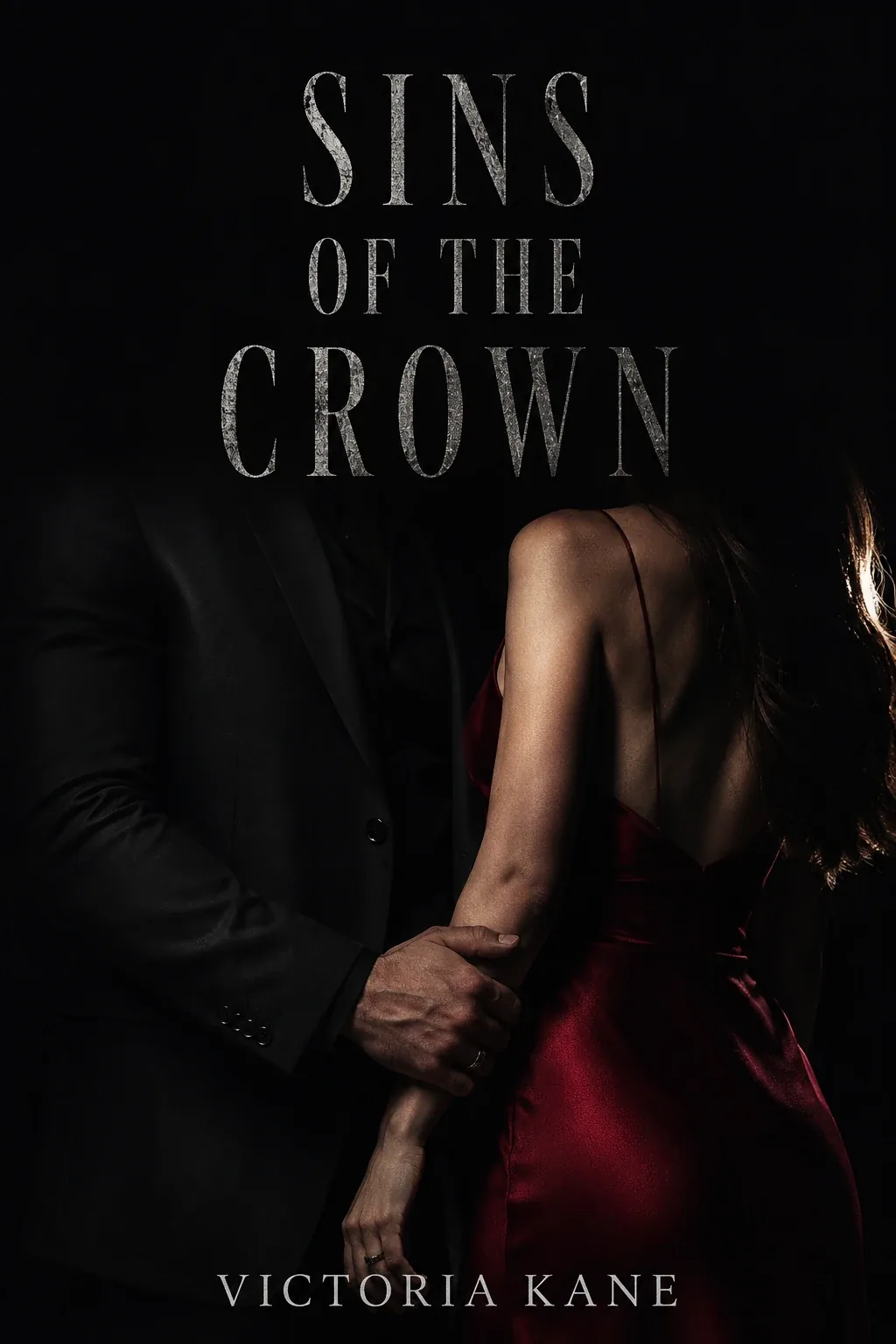
Sins of the CrownRomance 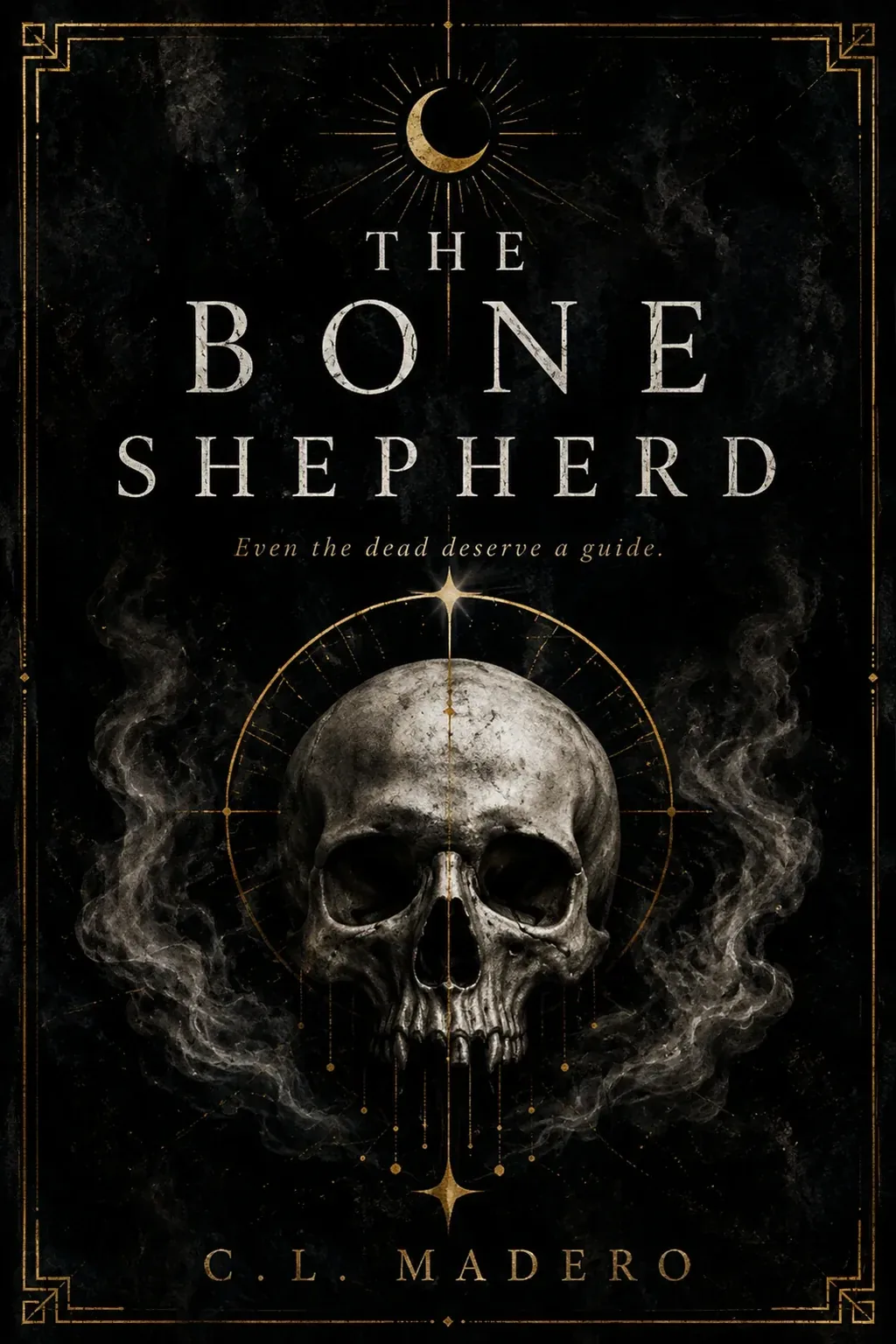
The Bone ShepherdFantasy 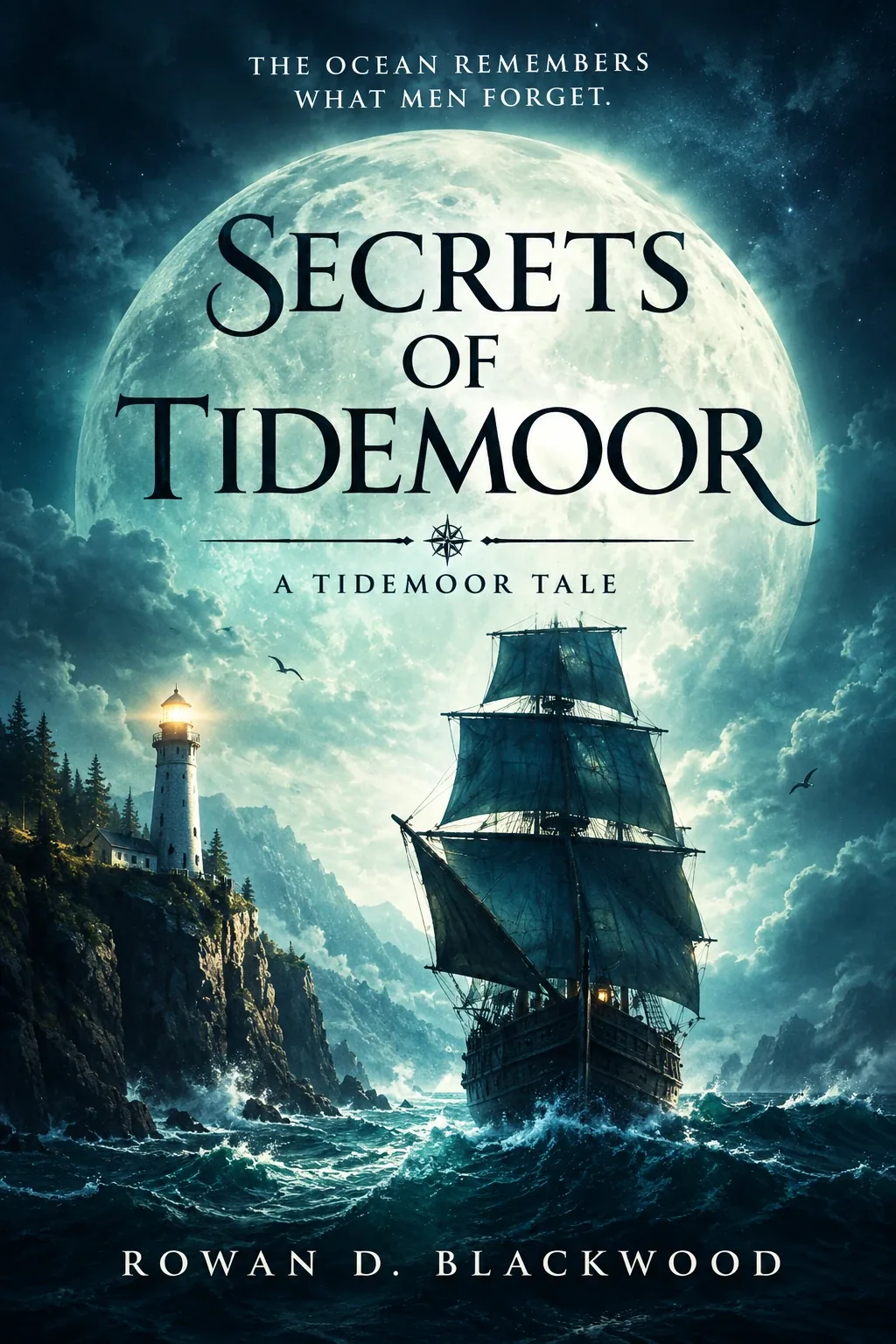
Secrets of TidemoorFantasy 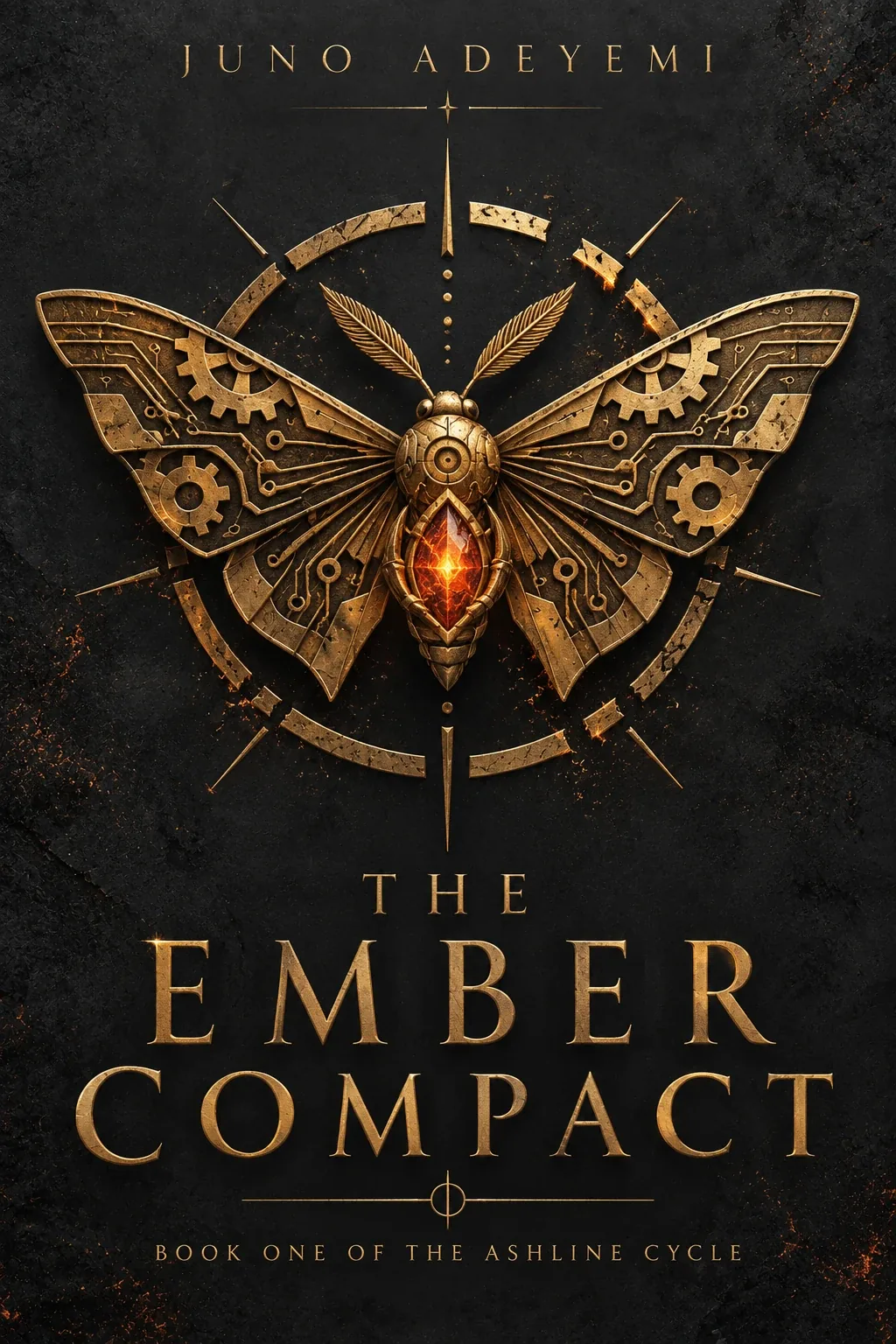
The Ember CompactYoung adult 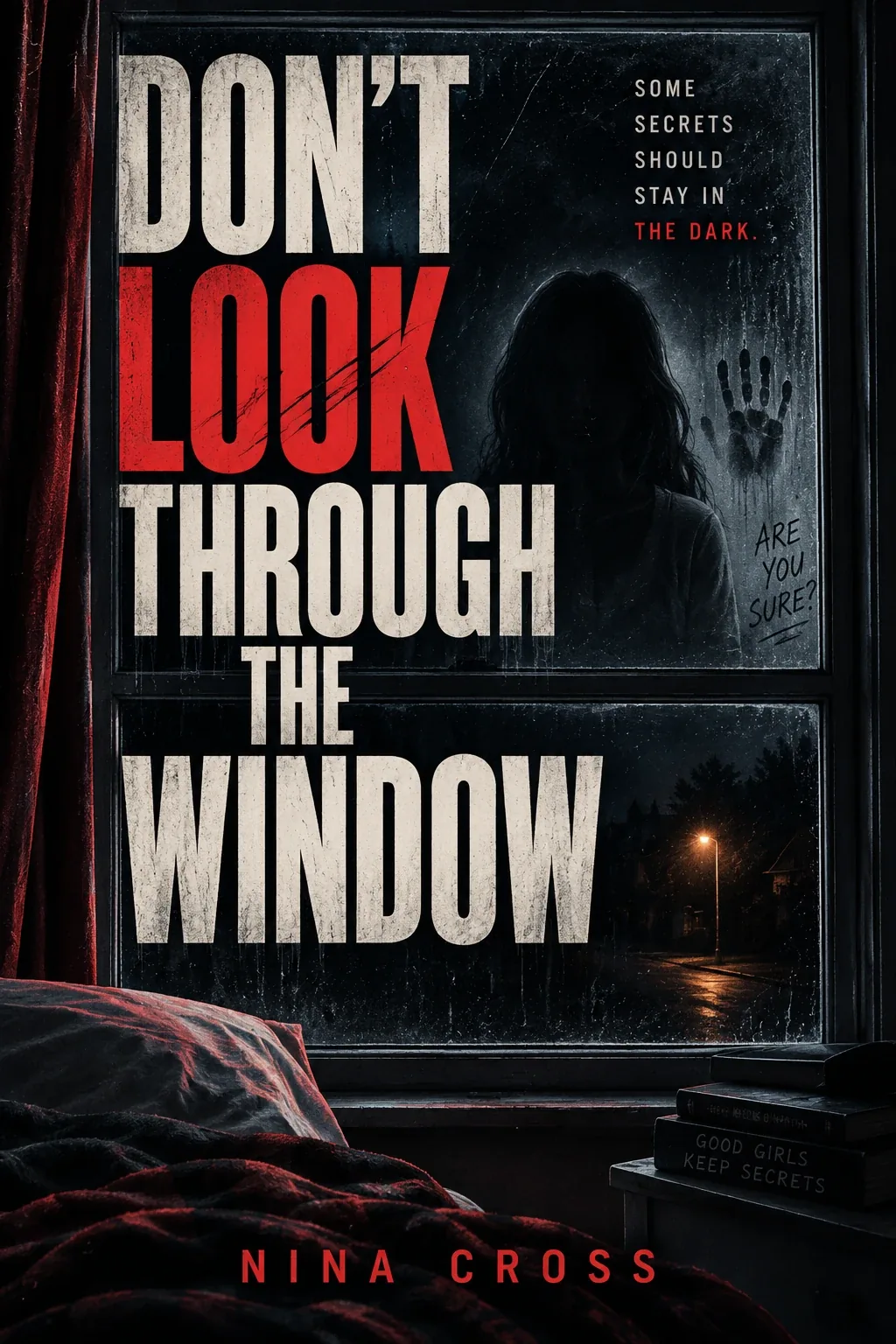
Don’t Look Through the WindowYoung adult 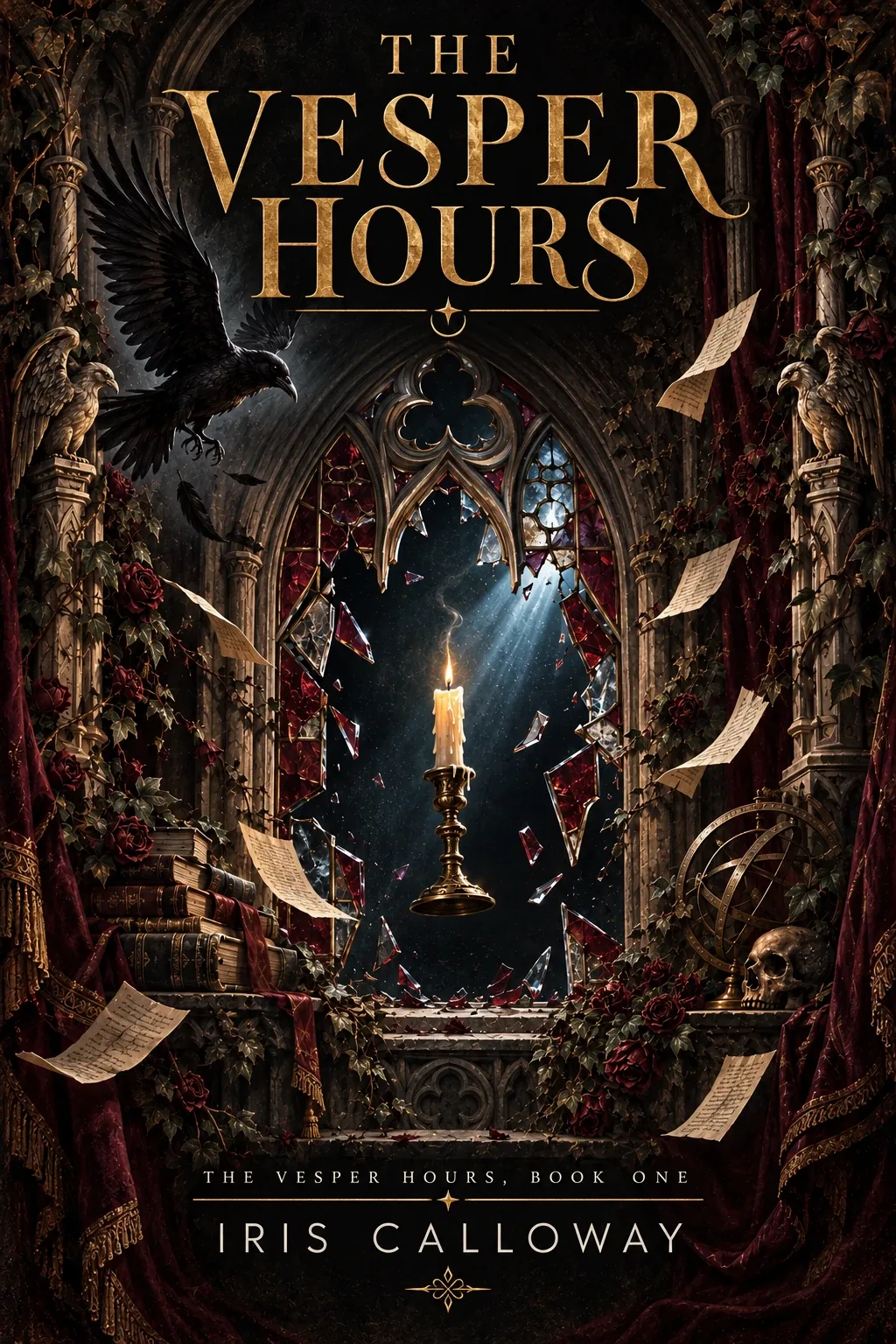
The Vesper HoursYoung adult
See the full book cover design portfolioSee Launch-Ready Bundles
Sample covers. Titles and author names are invented to show the style.
Fiction ghostwriters for hire across the genres readers actually buy
Within each genre, the rules of craft are specific enough that a generalist will miss them. These six shelves cover many of the novels we write, each with one thing readers expect early. Romance print sales rose 3.9% in 2025, to almost 44 million units, according to Circana BookScan data reported by Publishers Weekly.
Romance and Romantasy
The leads meet early
A romance ghostwriter works to a tension arc that builds without resolving until the final stretch, often with chapters that alternate between the two leads. Romantasy adds a magic-system or world plot that braces the romance without overshadowing it.
How romance is publishedMystery and Thriller
Tension from the first chapter
Mystery runs on a clue economy, where every chapter plants, pays off, or misdirects, and the reveal feels inevitable in hindsight. Thrillers run on escalating threat. Both genres punish loose pacing.
How thrillers are publishedFantasy and Science Fiction
World rules that never bend
Hiring a fantasy ghostwriter or science fiction ghostwriter puts world-building under the most pressure: rigorous without an early lore dump, magic or technology with consistent rules, and invented vocabulary that stays readable. Series planning starts at book one.
How fantasy is publishedCozy and Women’s Fiction
Warmth and a steady tone
Cozy mystery wants a small community, a likable amateur sleuth, and no on-page violence. Women’s fiction wants a protagonist working through a life-stage challenge with emotional honesty. Both reward warmth, voice, and a controlled hand on tone.
See every fiction genreLiterary and Upmarket
Voice matched at the line level
Literary fiction asks the most of a writer’s prose. It sells on sentence-level prose, theme carried through image and structure, and interior life that holds quiet scenes. Upmarket blends that craft with commercial readability, so voice has to match line by line.
How literary fiction is publishedYoung Adult and New Adult
A narrator who never sounds adult
Both categories live or die on voice. A YA narrator who reads as adult even briefly breaks the book. New adult sits between YA and adult in tone and stakes, with romance, identity, and self-determination at the center.
How YA is published
Historical, horror, military, Western, and Christian fiction run on the same craft principles, paired with a writer matched to that shelf.
Six kinds of fiction author AuthorWings is built for
Many people looking for a fiction ghostwriter for hire share two things: a real story already in hand, and no spare year to write it. These six profiles describe many of the fiction projects we take on.
The Two-Year Carrier
You have carried the same novel idea for two years or more. The world is built, the characters are alive, and the plot direction is set. Drafts have been started and shelved. What is missing is the year of prose writing, and the story is already there.
Where we startPhase 2: every note goes into the inventory
The Stalled Drafter
A partial draft has sat on your desktop for over a year. Your existing chapters are read closely, the voice patterns are noted, and the manuscript continues from where it stopped, so nothing restarts from a blank page and none of your work is lost.
Where we startPhase 2: your draft becomes the pickup point
The Series Builder
You are a published author who wants a series to grow faster than one writer’s schedule allows. The voice profile, world guide, and cast from book one carry forward, and writer continuity can be locked at contract stage for every book that follows.
Where we startA continuity guide kept for you
The Executive Novelist
Your name carries weight in your industry, and your calendar is full. You can ask for a confidentiality agreement (NDA) before your first call, and the ghostwriter’s name never appears on the cover, the copyright page, or any marketing.
Where we startAn NDA before your first call, on request
The Worldbuilder Without a Manuscript
You have years of notes, maps, magic systems, and timelines, and no prose yet. The inventory turns every document into a working world guide, and the outline step turns the rules of your world into a scene-by-scene plan (beat sheet) before writing starts.
Where we startPhases 2 and 3: world guide, then beat sheet
The Output-Constrained Author
Your readers want books faster than one writer can produce: books two through six in a series, novellas between releases, and the spin-off readers keep asking for. Voice and genre are matched to the books already on your shelf, so readers feel no seam.
Where we startVoice matched to your published books
See your starting point? Every phase is laid out in the seven-phase timeline, and the free 30-minute call confirms where yours begins.
8 to 27 weeks from kickoff to final manuscript
Novel ghostwriting runs in seven phases, in order, with your review built into every handoff. Skipping the outline to start writing is a common reason novels stall.
How long it takes
Up to 30,000 words takes 8 to 12 weeks, up to 50,000 words 12 to 18, and up to 120,000 words 18 to 27. The week numbers below show a 90,000-word novel. Shorter books follow the same seven phases, with the outline step kept at full depth.
Your sign-offs, in order
Five approvals keep the novel yours from brief to handoff:
- Brief
- Outline
- Voice
- Batches
- Handoff
Week 1
Discovery and Genre Lock
Your free 30-minute call and the brief set what the book is: genre and subgenre, target length, books like yours (comparable titles), the main character’s arc in two sentences, and the central conflict in one. You sign off on the brief. Projects often stall here by trying to be three books at once.
Your part: Name two or three books on the shelf you want to join.
Weeks 1 to 2
World and Character Inventory
Every document you have built, from outlines and character notes to world guides, magic systems, timelines, and partial drafts, goes into one inventory. Nothing already written is thrown away. Your writer reads every page, flags gaps, and builds the working guide the manuscript draws from.
Your part: Share everything, even the drafts you abandoned.
Weeks 2 to 3
Story Spine and Beat Sheet
The novel gets a three-act story outline (story spine) with named turning points, a midpoint turn, an act two crisis, and a climax, plus a scene-by-scene plan (beat sheet) showing each scene, point-of-view character, and stakes. You approve it before any prose is written, as outline first explains.
Your part: Approve the outline. Writing waits until you do.
Weeks 3 to 5
Voice Sample and First Three Chapters
Your writer drafts the first three chapters and a voice sample showing the prose decisions: point of view, tense, narrator distance, dialogue style, and paragraph rhythm. No further drafting happens until you approve the voice. It is the most important review point in the whole project.
Your part: Approve the voice, or ask for adjustments now.
Weeks 5 to 16
Chapter Drafting in Batches
Chapters are drafted in sequence and delivered in batches, each with a review window before the next batch begins. Drafting pace is set at scoping. Chapter endings get specific attention, and so does the bridge between chapters, where many first novels lose readers.
Your part: Read each batch and flag flat endings or slow stretches.
Weeks 16 to 23
Full-Manuscript Revision
Once the draft is complete, revision opens at the manuscript level: pacing, character consistency, plot holes, repeated scene structures, and any chapter that reads flat. You send one set of notes per round: 2 rounds up to 30,000 words, 3 up to 50,000, and 5 for longer books. All four editing levels happen here, included.
Your part: Send one set of notes per round.
Weeks 23 to 27
Final Polish and Handoff
A final line-level pass tightens rhythm, dialogue, and continuity. The manuscript arrives as a clean Word document and a PDF, and the rights transfer to you on final payment. Yours is the only author name on the book.
Your part: Publish it through fiction publishing, or add a Launch-Ready Bundle.
Why we lock structure before any prose is written
Novels that stall often stall on structure. Here, the story outline is approved before any chapter is written, so writing runs straight through on the budget and timeline you signed for.
How every AuthorWings fiction project runs
The Outline Locked Before Drafting
The story outline (story spine), midpoint turn, act two crisis, climax, and scene-by-scene plan (beat sheet) are approved before chapter one. A change caught here costs an afternoon instead of a month of rewrites.
Writing without a plan
Discovery Drafting
The writer starts from a premise and lets the structure appear along the way. If a structural problem shows up at chapter ten, the early chapters have to be reworked, and the time and cost grow.
When you hire a novel writer, ask where structure gets locked. Here it happens at phase three, on every novel, before a single chapter is written.
Back to the seven phasesWhy fiction ghostwriting fails without genre-true craft and pacing
Much of the ghostwriting industry works on non-fiction: business books, memoirs, and thought leadership. Fiction is a different job, and a fiction ghostwriter needs three crafts that non-fiction rarely demands. A manuscript that misses one of them is one readers put down early.
Scene-level escalation
Every scene in a working novel moves the plot forward and raises the stakes at the same time. A scene that only describes, catches up, or paces in place gets skimmed. Writers trained on business books often write scenes that work as exposition and fail as drama.
DraftTwo pages of backstory about the lighthouse
RevisedThe backstory surfaces while the storm cuts the power
Point of view
A novel lives or dies on whose head the reader is inside, and when. Head-hopping within a chapter loses the reader’s emotional grip, and genre readers notice point-of-view slips early. The discipline is staying with one character for whole scenes and switching on purpose.
DraftThree characters’ thoughts in one scene
RevisedOne point of view per scene, switched at the break
Chapter-end pacing
Ending each chapter on a hook that keeps the reader turning pages is a skill built across several finished novels. A strong premise still reads flat when every chapter ending stalls.
DraftThe chapter ends as she falls asleep
RevisedThe chapter ends on the question she cannot answer
Genre conventions sit on top
Each shelf has rules readers expect. A writer who doesn’t know them has to guess, and genre readers notice.
- Cozy mysteryA body in the first chapter or two
- Romance and romantasyThe leads meet early, often in chapter one
- ThrillerA ticking clock set early
Fiction ghostwriting services pair your project with a writer who already carries all three crafts and your genre’s conventions, while the world, the characters, and the voice stay yours.
Fiction ghostwriting questions authors ask before signing
Cost, timeline, rights, pacing, what happens when a chapter falls flat, and what to do with the half-finished draft already on your desktop.
Still have a question?
Ask it on a free 30-minute call with a fiction ghostwriter, before you sign anything.
Book a callHow much does it cost to hire a fiction ghostwriter?
Fiction ghostwriting at AuthorWings is 33¢ a word, from 20,000 words: $6,600 for 20,000 words, $16,500 for 50,000 and $29,700 for 90,000. The price follows the word count, not the subgenre. Every novel includes all four editing levels, and every word is written by a human writer, so the price covers a finished manuscript.
How long does it take to ghostwrite a novel?
Working with a ghostwriter for a novel takes 8 to 27 weeks, set by length. Up to 30,000 words takes 8 to 12 weeks, up to 50,000 words 12 to 18, and up to 120,000 words 18 to 27. Every novel follows the same seven phases, with the outline approved before writing starts. Your review time is built into the schedule, and extra rounds of changes add to it.
Who owns the characters, the world, and the series rights?
You do. On final payment you own 100% of the manuscript, every named character, the world guide, the magic system, the timeline, and any series, prequel, sequel, or spin-off rights that come from them. If you write book two without us, everything from book one goes with you. Film, television, and game rights are yours too. Only your name appears on the book.
Is hiring a fiction ghostwriter legal, and do I have to disclose it?
Yes, it is legal. Once the rights transfer to you, the novel is yours to publish under your own name. KDP asks you to hold the publishing rights, and to tell it when a book contains AI-generated text, images, or translations. It does not ask about human ghostwriters. Your manuscript is written by a human writer, as our AuthorWings AI Policy explains. KDP rules as of October 2026.
What if the chapter endings feel flat or the pacing drags in the middle?
Flag it in your chapter review. A note about a flat ending or a slow stretch is reworked before the next batch of chapters starts, long before the full draft is done, which costs far less than fixing it later. Chapter notes are answered on every novel, and every novel also includes a check of each chapter’s pace across the finished manuscript.
Can the ghostwriter work from an existing outline, beat sheet, or partial draft?
Yes, and many fiction projects start that way. Outlines, beat sheets, character notes, world documents, partial chapters, and abandoned drafts all go into the inventory in phase two, and nothing you have built is thrown away. An outline you want kept word for word becomes the writing brief. A loose outline is shaped into a story outline you approve before writing starts.
How is point of view handled, especially across multiple narrators?
Point of view is set in the voice sample, before any chapter after chapter three is written. Single-narrator books lock to first person or close third person. Multi-narrator books, common in romantasy and ensemble fantasy, also lock the rotation, the chapter headings, and whose head the reader is in for each scene. Switching heads in the middle of a scene is treated as a craft error.
What if I want a key character rewritten halfway through drafting?
Small changes, such as a name, a job, or a secondary trait, fit inside your normal rounds of changes. A full rewrite of a main character halfway through is one of the costliest changes in fiction, because every scene with that character changes. That is why the outline is locked first. If a rewrite is still needed, writing pauses, the change is scoped, and the timeline is adjusted.
Does the project work for a planned series, and what stays consistent across books?
Yes. Tell us at the start if you plan more than one book. The world guide, voice profile, cast, magic system, and timeline from book one carry forward. A continuity guide is kept for you, so book two builds on a written record. If you plan the series when you sign, you can keep the same writer for every book.
How are sensitive scenes handled (intimacy, violence, trauma, on-page versus off-page)?
You set the limits before writing starts. Romance authors choose open-door or closed-door intimate scenes. Thriller, horror, and mystery authors set how much violence happens on the page. Trauma is written with research and care. Your writer stays inside the limits you set, so no scene surprises you at delivery. We write the guide with you when the story needs it, or you can set it yourself.
What if my genre or sub-genre has been called unsellable?
Sales are a market question, and no one can promise them. On your call, we talk through who reads your sub-genre and which books like yours are on the shelf today. If your idea has a small but real readership, your writer writes for those readers. If we can’t see a readership at all, we tell you before you sign anything.
Will the ghostwriter push back on my story choices, or just write what I ask for?
Both, in order. While the outline is being built, your writer raises craft concerns directly, such as a twist that doesn’t earn its setup, a motivation that contradicts the opening, or a chapter order that hides the wrong reveal. You hear the case and decide. Once the outline is locked, your writer writes the book you chose.
Can I hire a fiction ghostwriter for one book in a series?
Yes. If you wrote the earlier books yourself, your writer works from those books, not a summary of them, so the voice, characters, and world details match. You can hire us for one book and write the rest yourself. The rights to the characters, the world, and the series stay yours throughout.
Give your story the craft a novel deserves
Build an estimate in the calculator first if you like. Your estimate lands within 10% to 15% of your written quote. When you’re ready, book a free 30-minute call with a fiction ghostwriter, and your written quote follows within 48 hours.
Where are you starting from?
Every novel arrives from one of three places
- A story carried for years
- A draft that stopped moving
- A series that outgrew one writer
All three start with the same free 30-minute call.
You can ask for a confidentiality agreement (NDA) before the call, 100% of the rights transfer to you on final payment, and nothing is signed until you decide.