—Book illustration services
Book illustration services for picture books and chapter books
AuthorWings handles picture book spreads, chapter book interiors, and middle-grade illustrated titles. Every project ships with a character bible, locked style across all spreads, and 300 DPI CMYK files prepared for Amazon KDP, IngramSpark, and Barnes & Noble Press. Per-illustration pricing from $159; full-book packages from $2,995 to $4,500.
—WHY IT MATTERS
Why book illustration quality decides whether parents buy
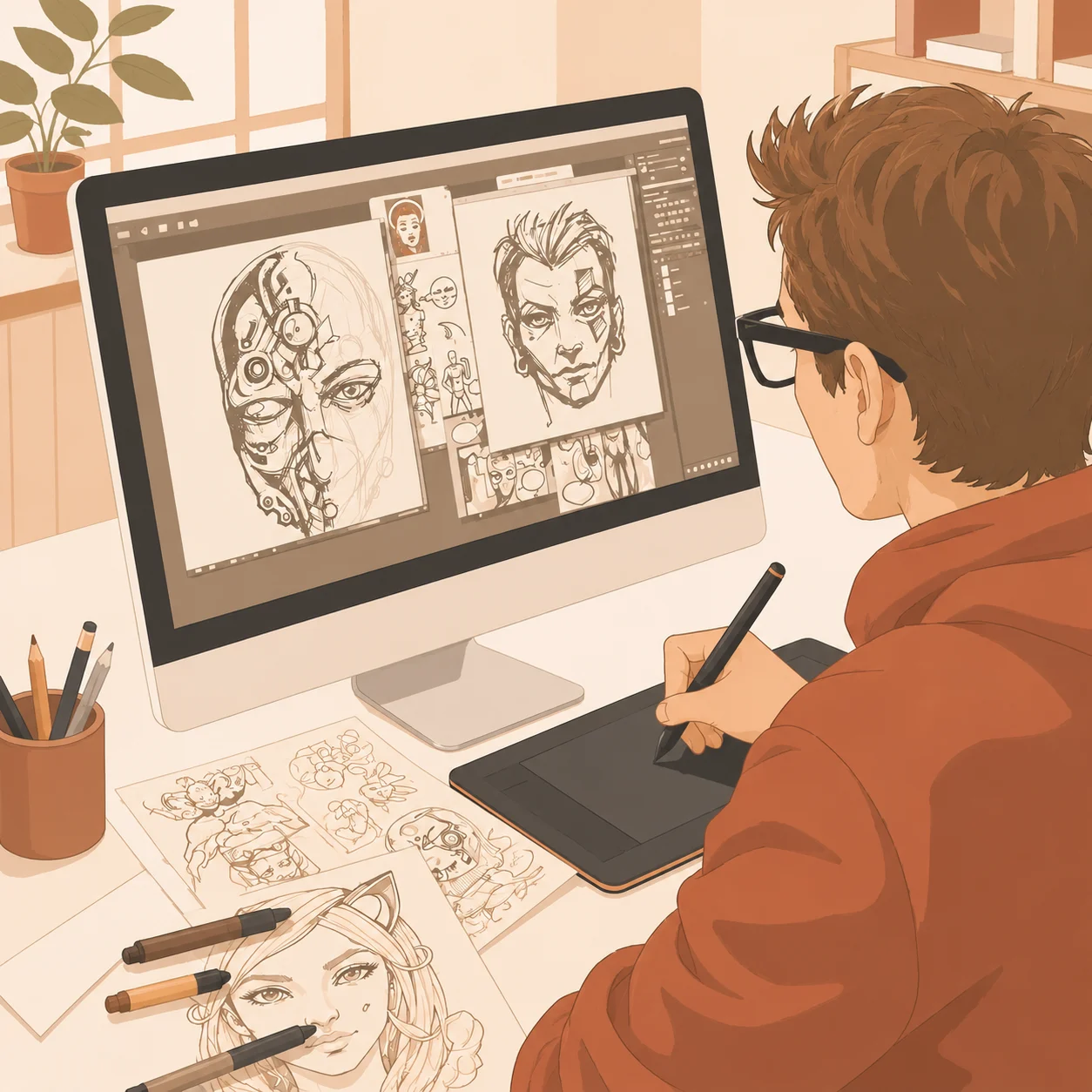
The illustration is not the wrapper. It is the second author. A character’s expression in a single panel can change what a sentence means. A background detail can plant a question that gets answered three pages later.
A children’s book is one of the only formats where the visual storytelling carries equal narrative weight to the prose. A 32-page picture book with a 600-word manuscript is roughly 30% text and 70% image by reader attention.
That changes what counts as quality. A beautiful single illustration is not enough. The art has to hold up across every spread, with the same character looking like the same character on page 4 and page 28, the same emotional palette running through scenes hours apart in the story, and the same level of background detail in a quiet bedroom as in a chaotic playground. Inconsistency reads as carelessness, and picture book buyers (parents, librarians, and the SCBWI-affiliated reviewers who shape early-reader buying lists) lose the sale before the back cover gets read.
Then there is the technical layer most authors discover too late. Print-ready children’s book illustrations need bleed area, CMYK color profiles, 300 DPI minimum at final trim size, and color separations that survive offset printing without muddying. Digital files for Kindle Kids’ Book Creator and Apple Books need different specs again. Stock-style illustration packages and freelance marketplaces rarely deliver both, and the gap between “looks fine on screen” and “prints cleanly at 8.5 by 8.5 inches” is where a lot of debut picture books fall apart.
A professional book illustration service is solving three problems at once: narrative consistency across the full manuscript, style appropriate for the target reader age, and technical files that survive both print and digital distribution without rework. All three have to land for the book to function as a product.
—PORTFOLIO
Book illustration portfolio across five project categories
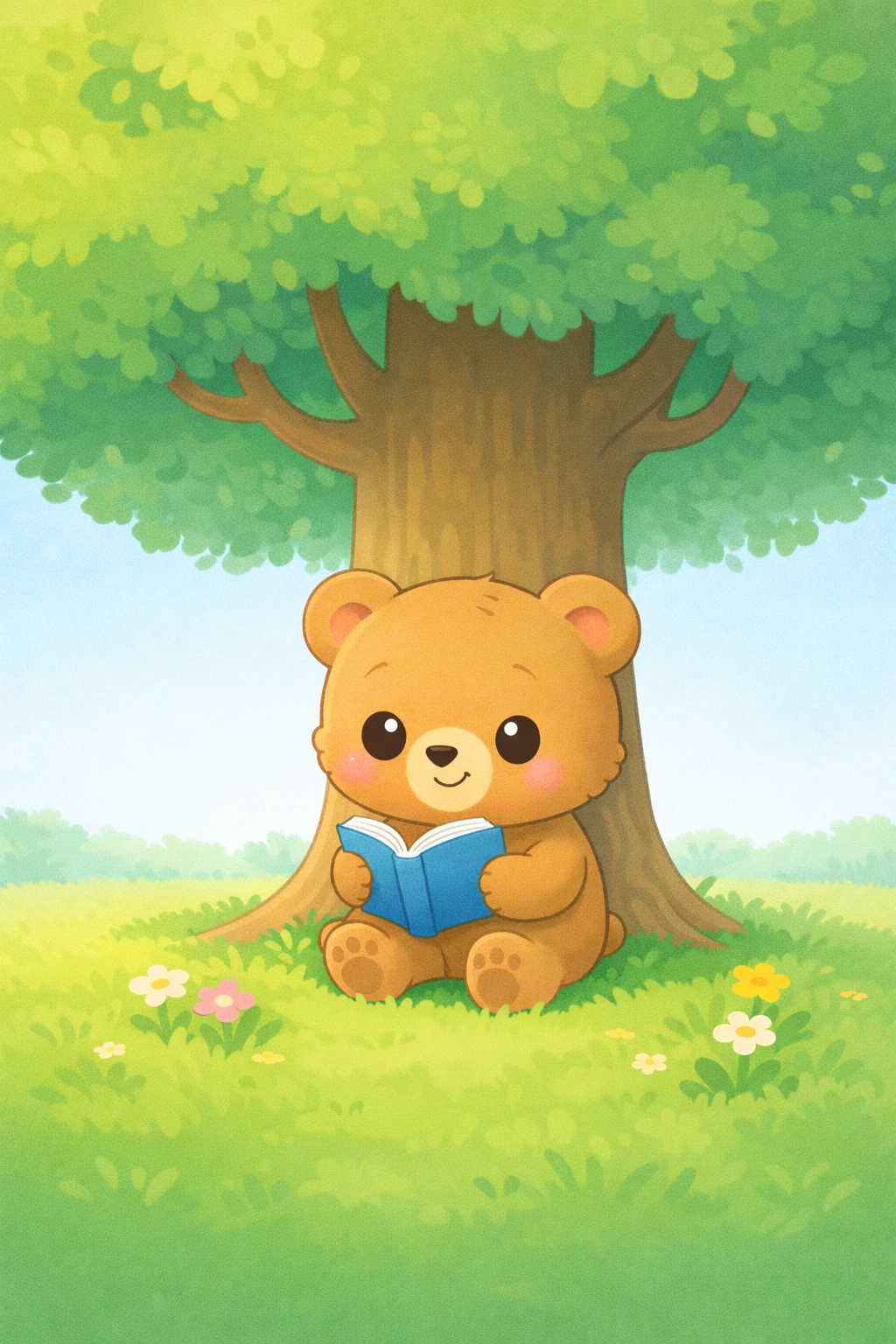
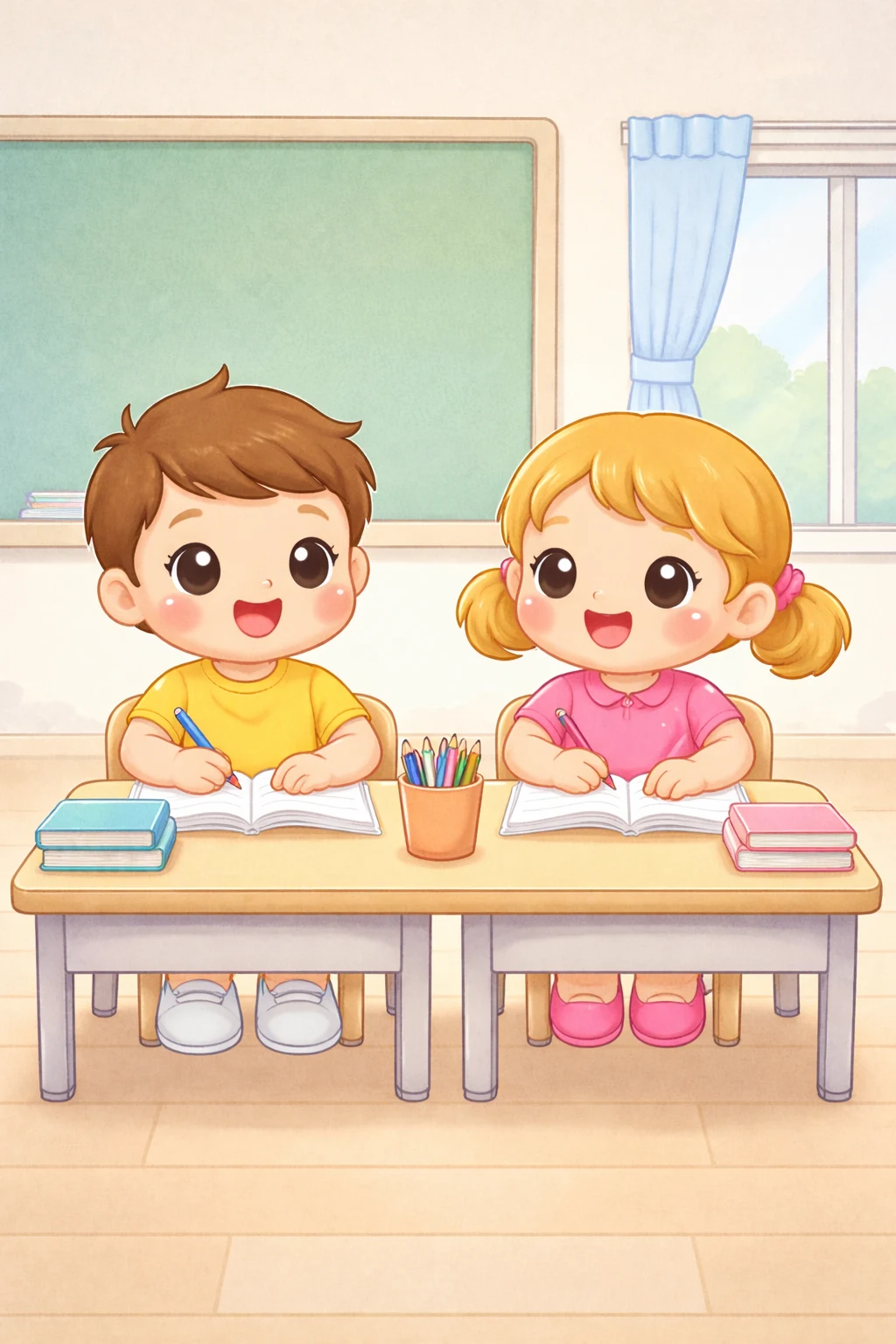
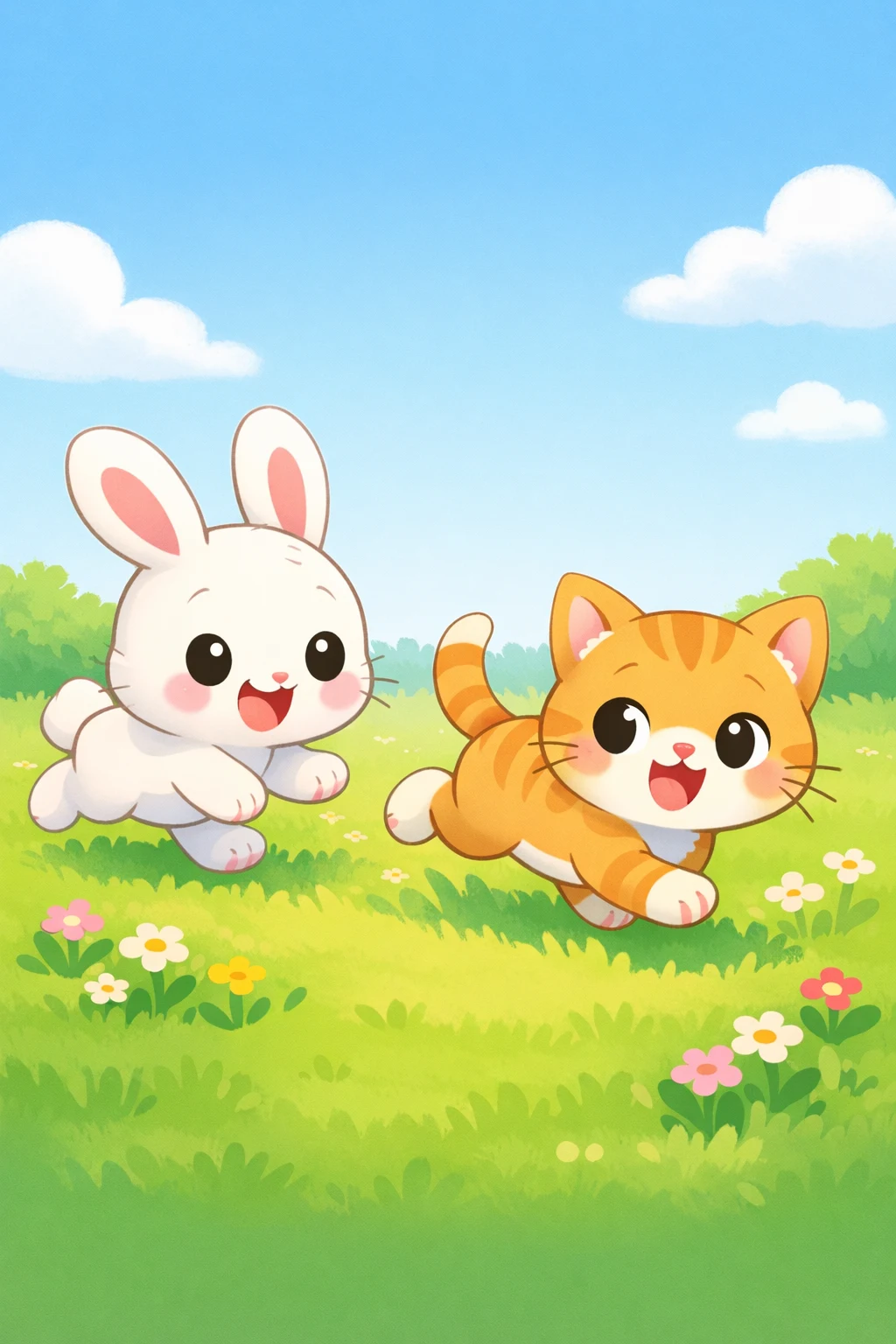
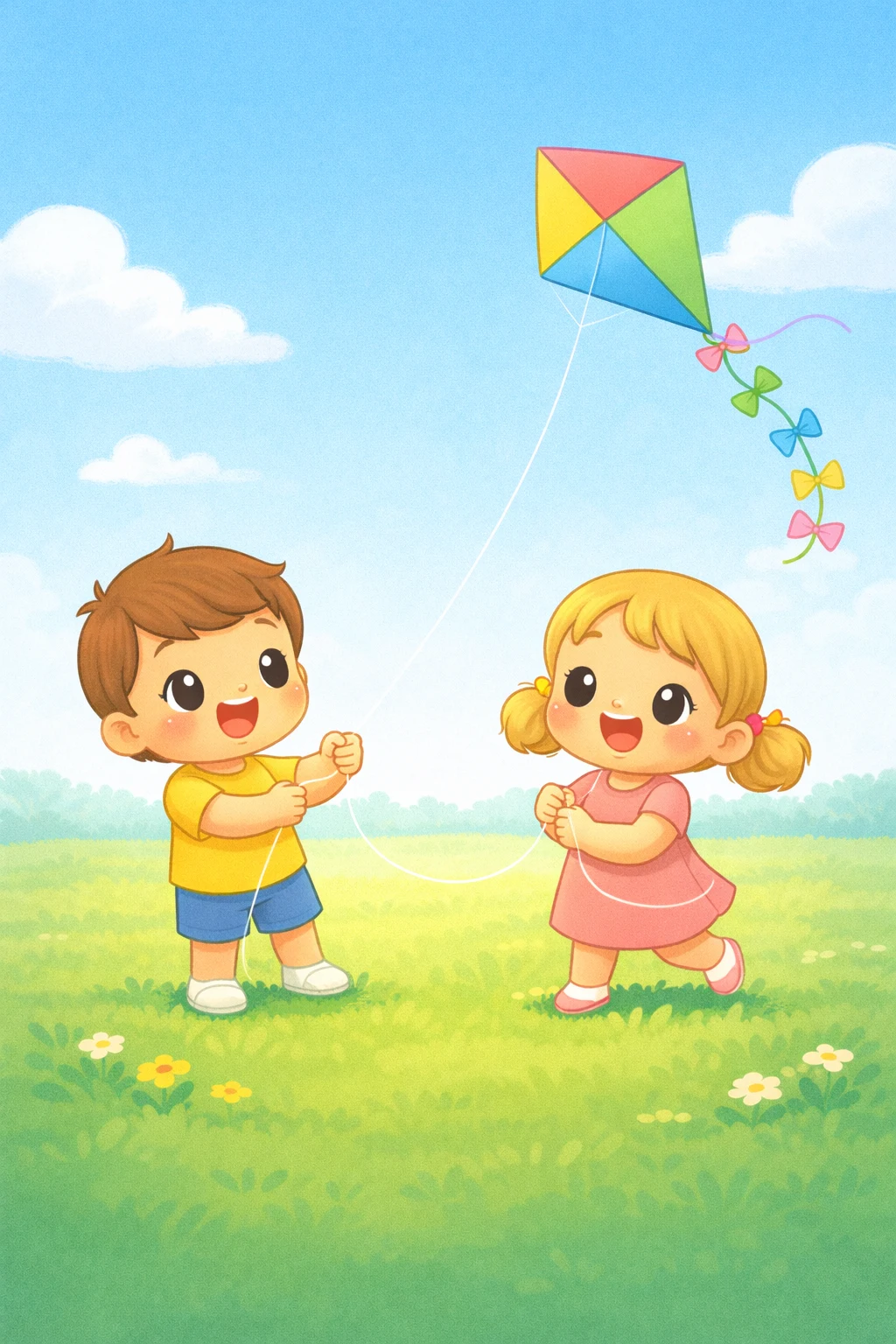
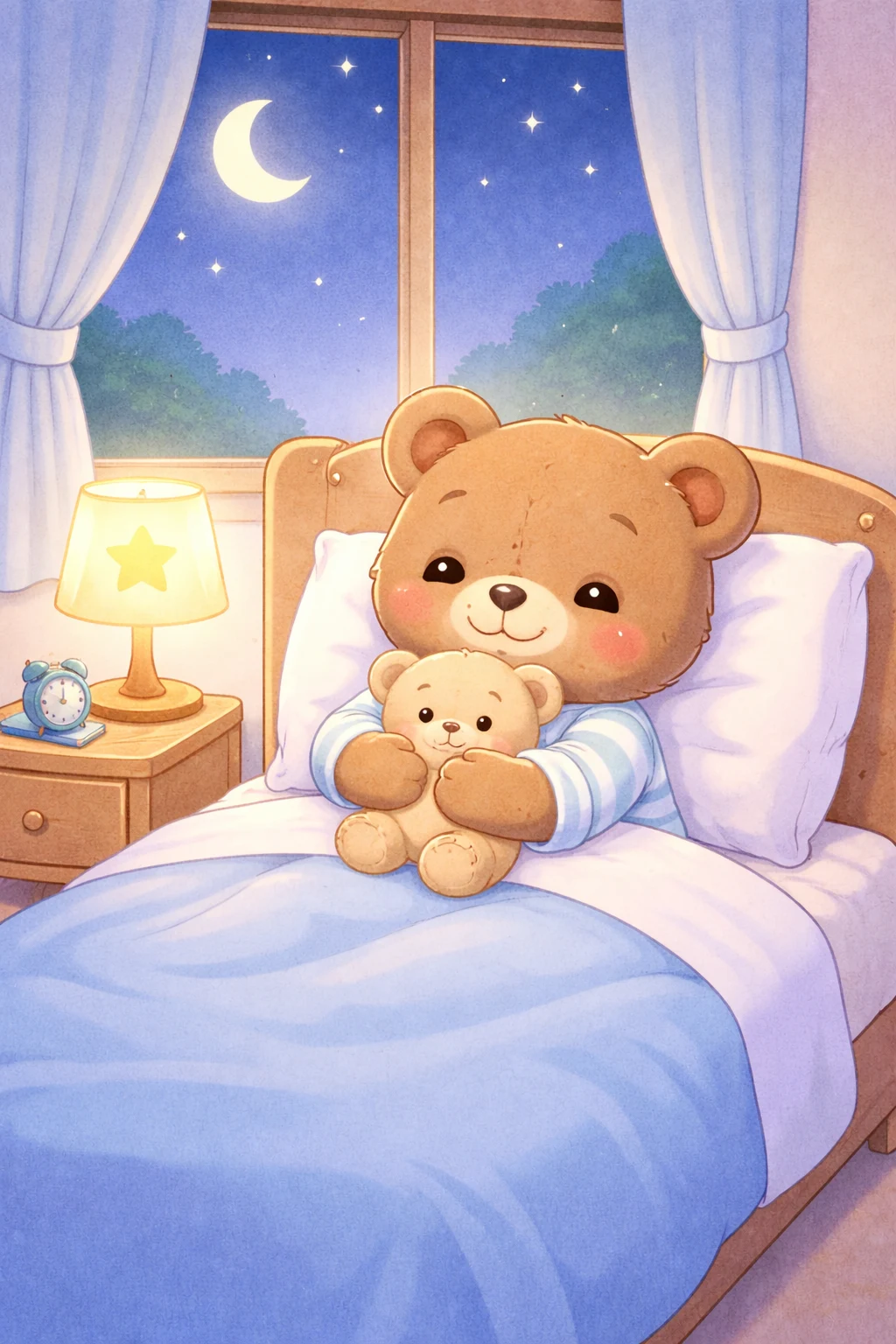
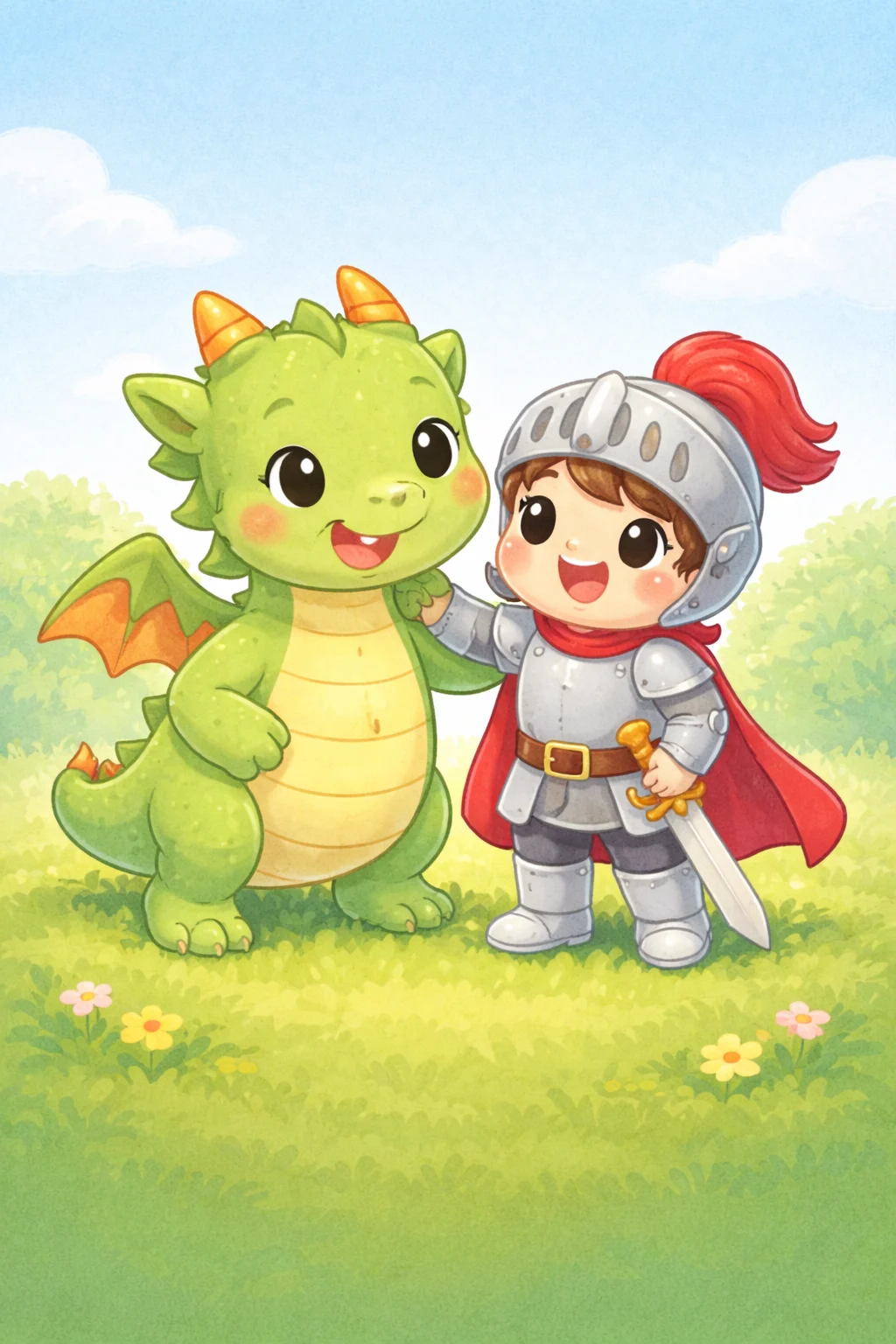
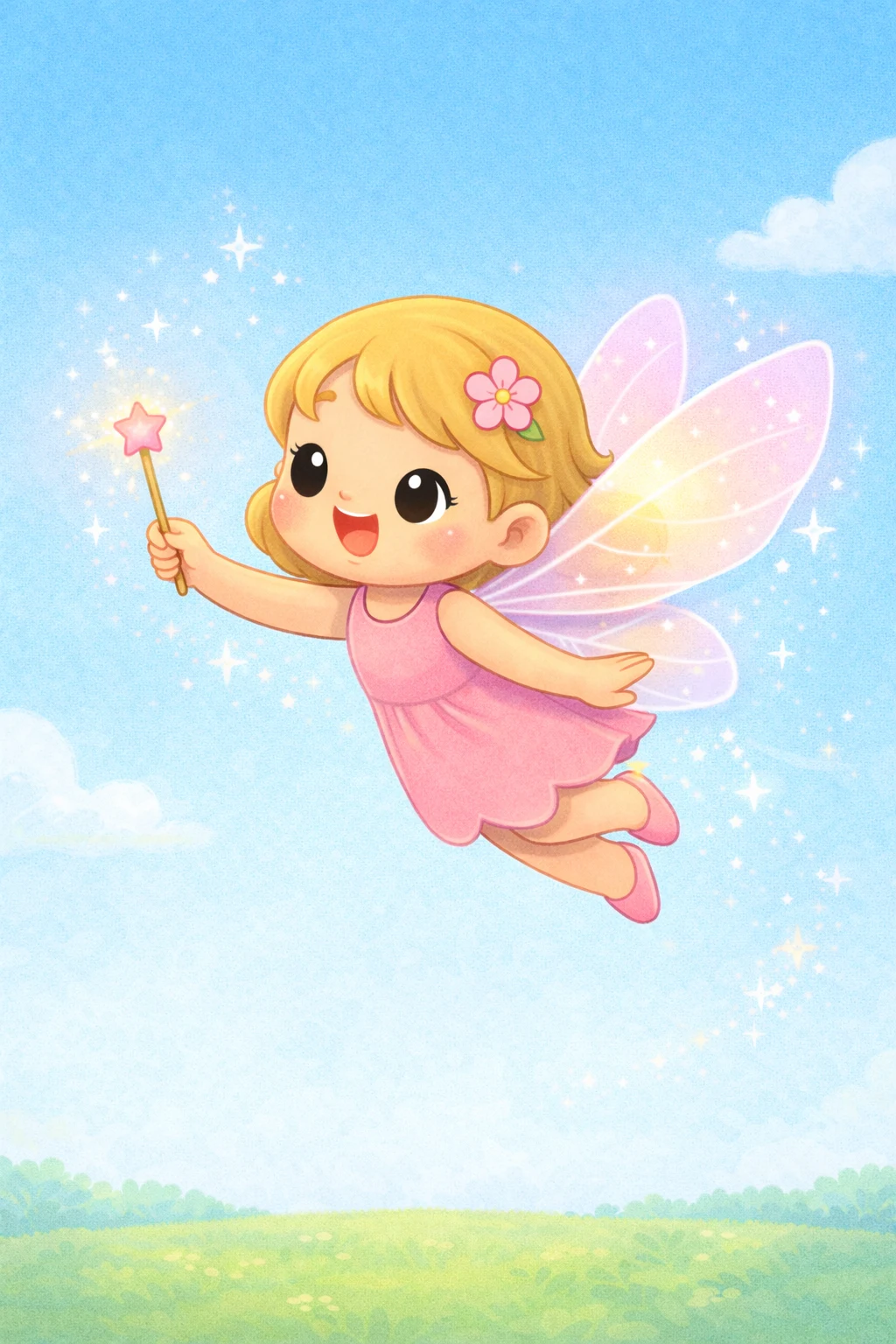
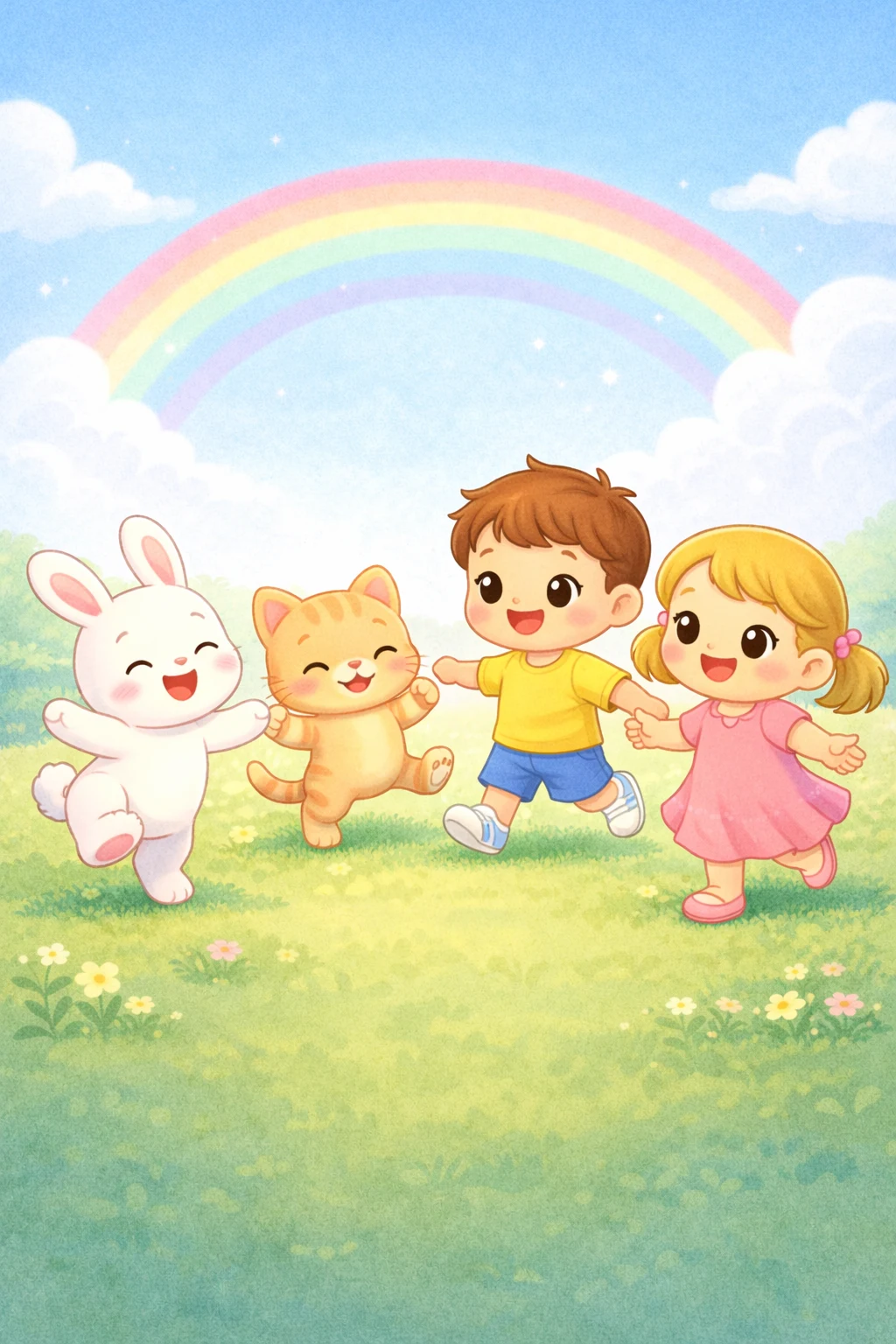
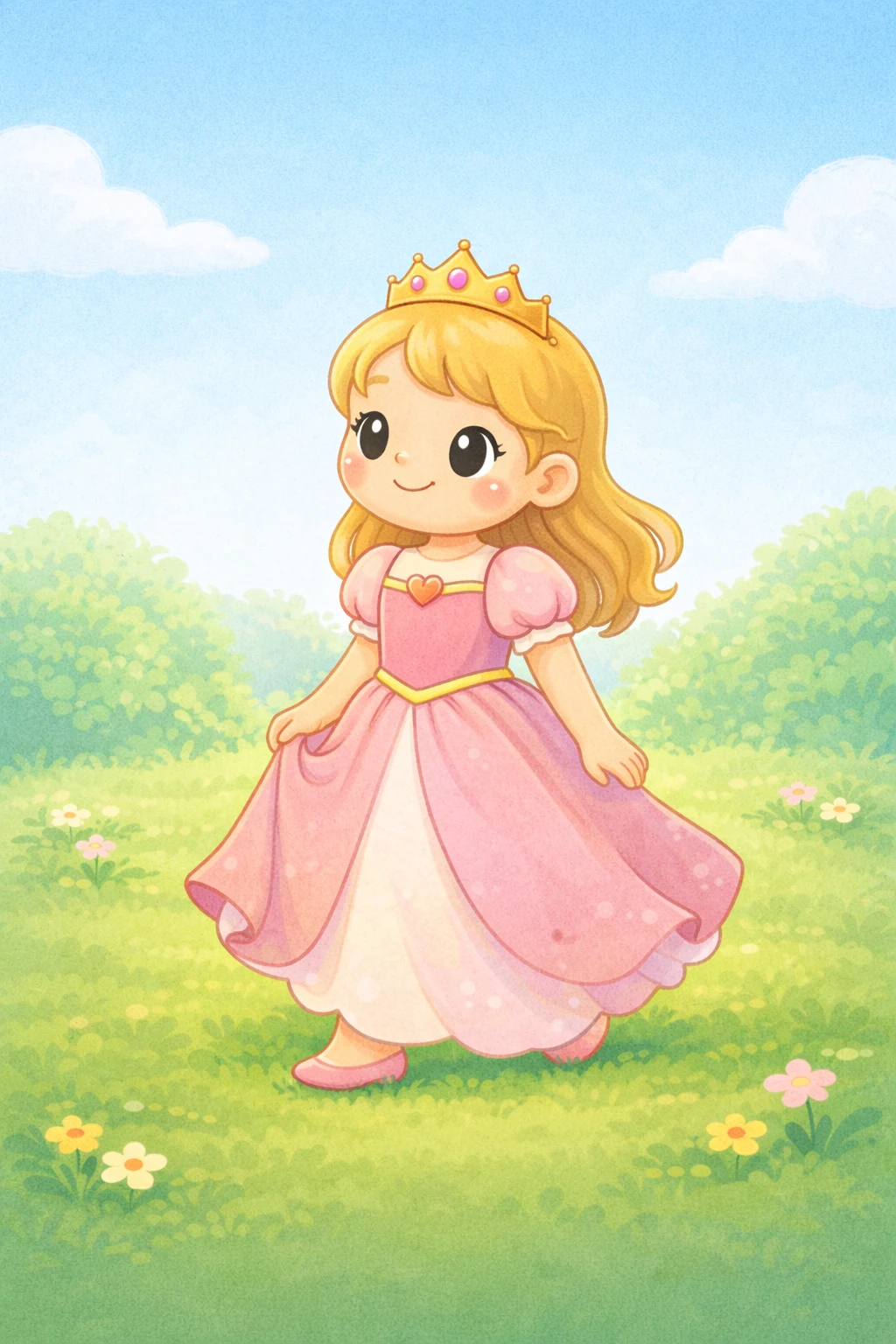
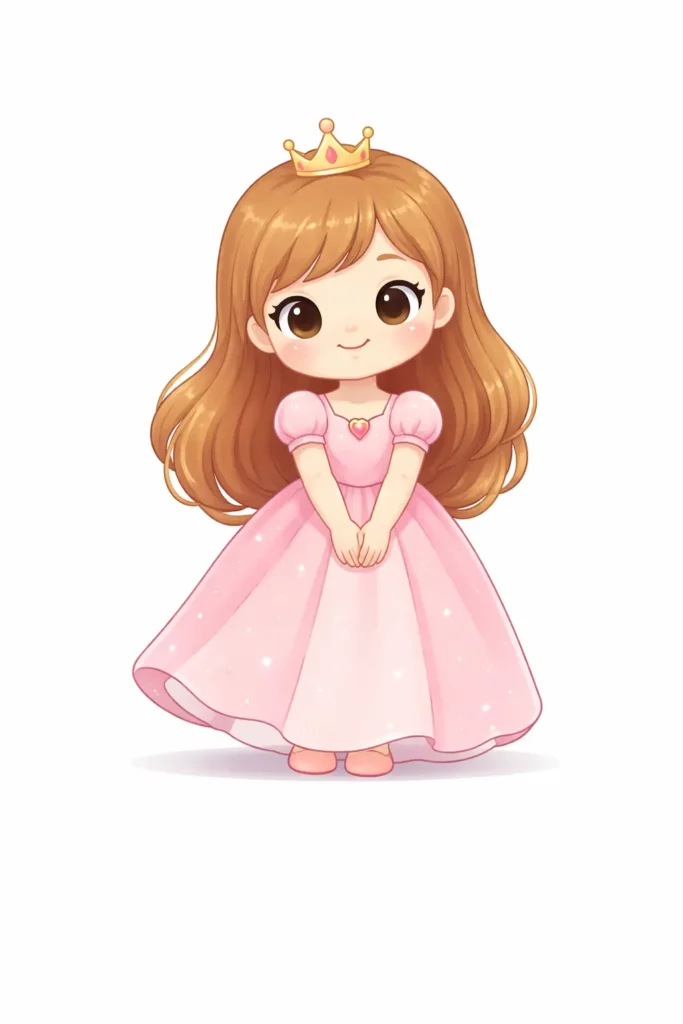
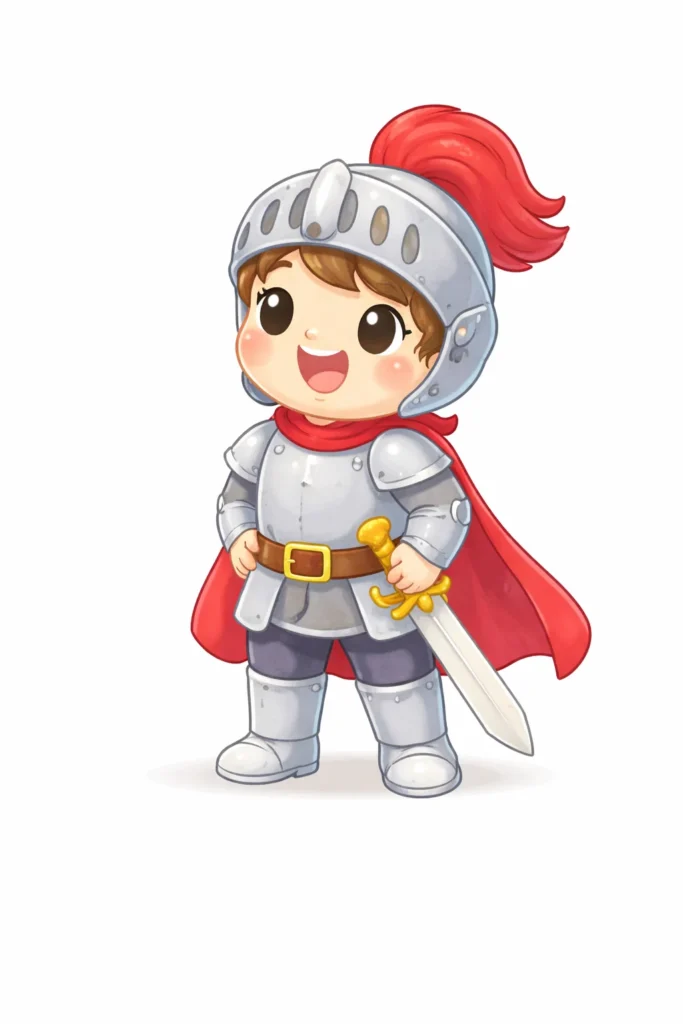
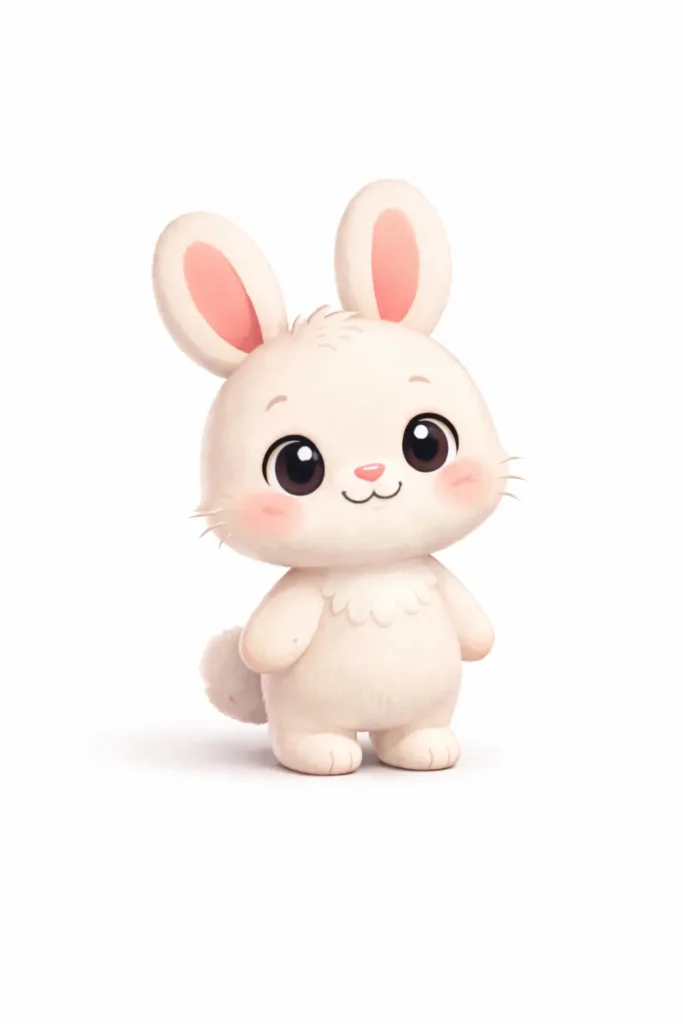
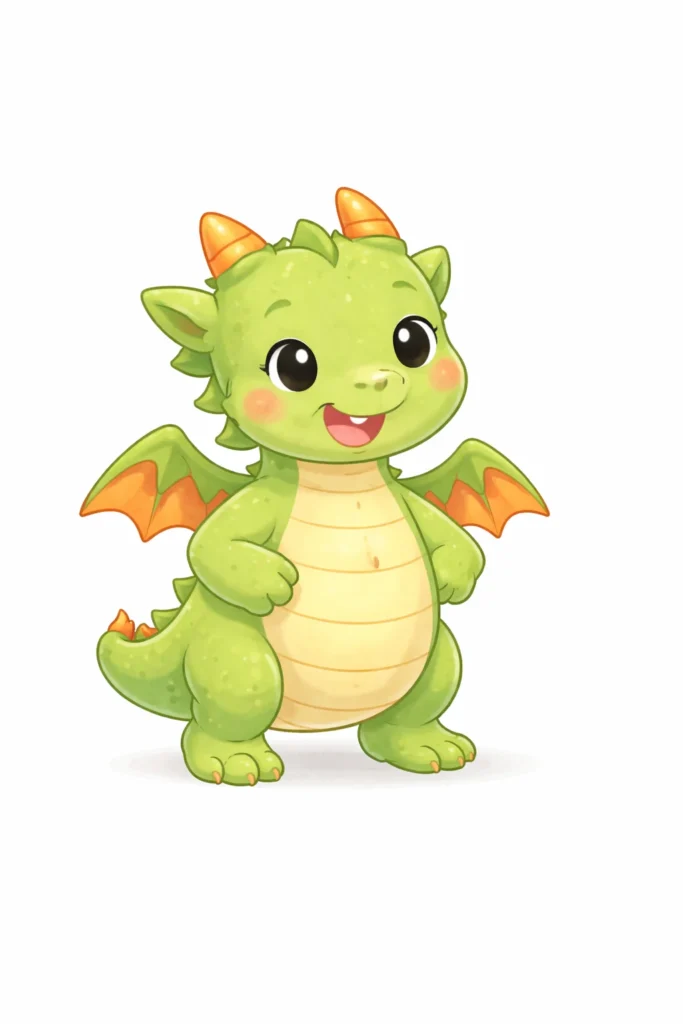
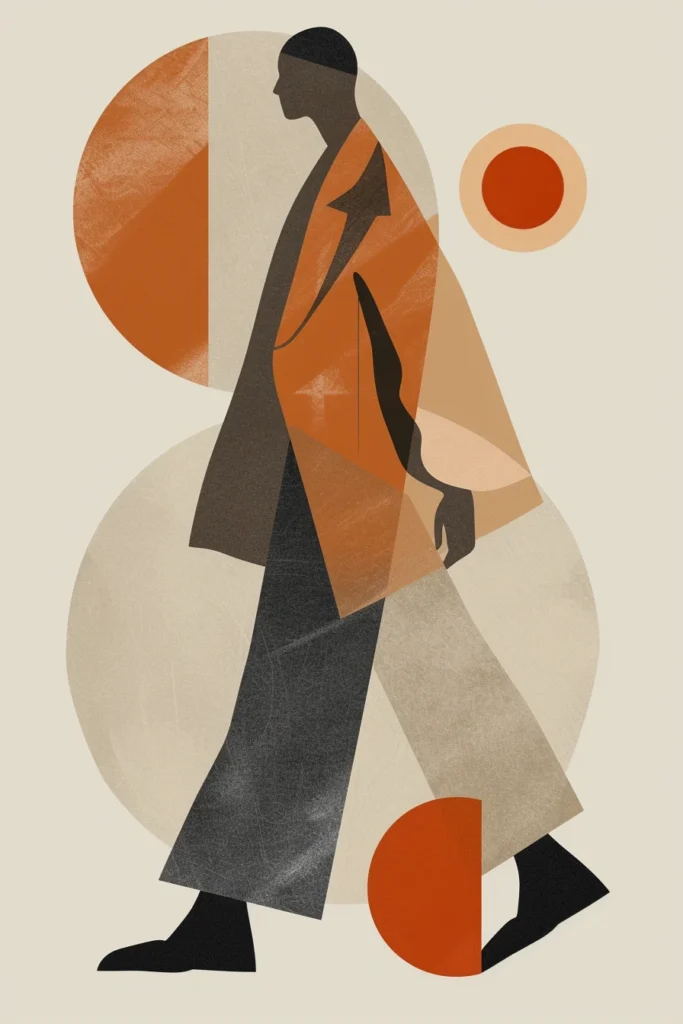
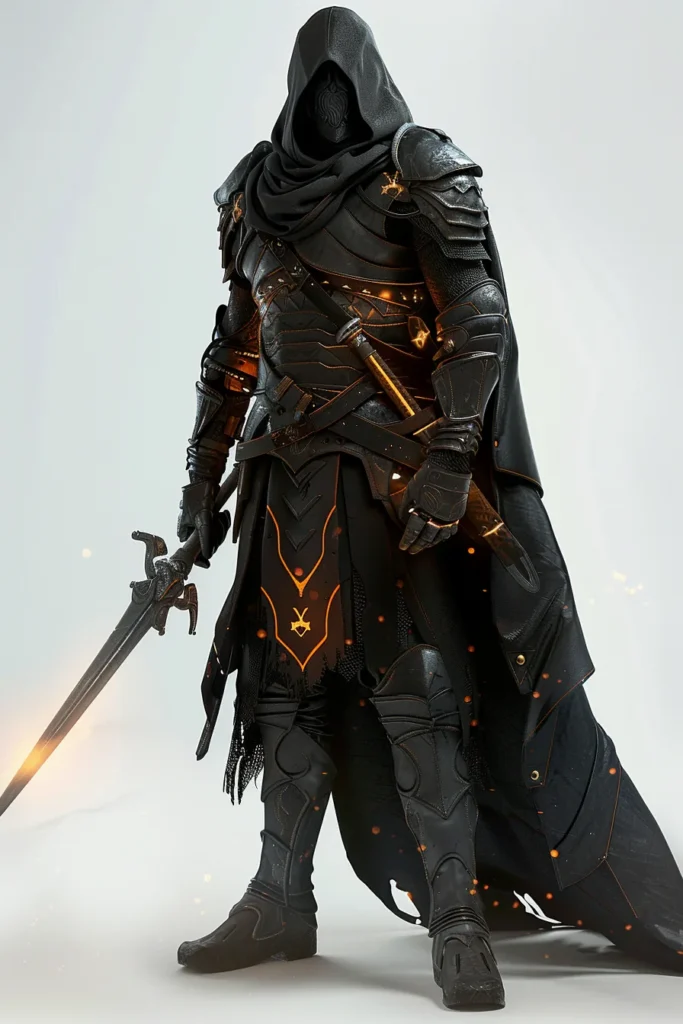
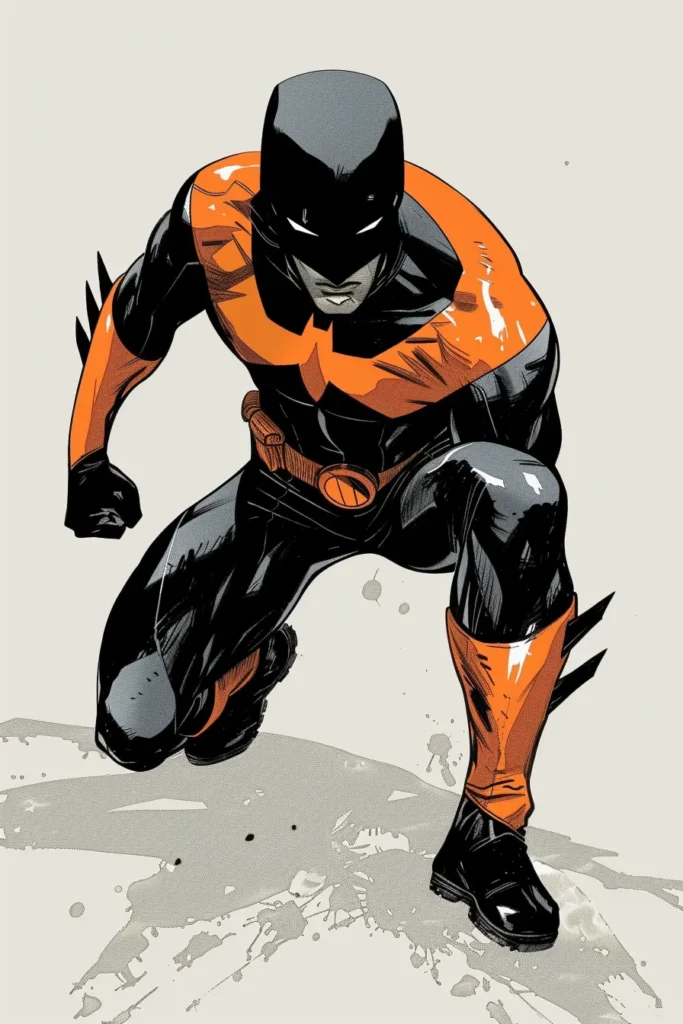
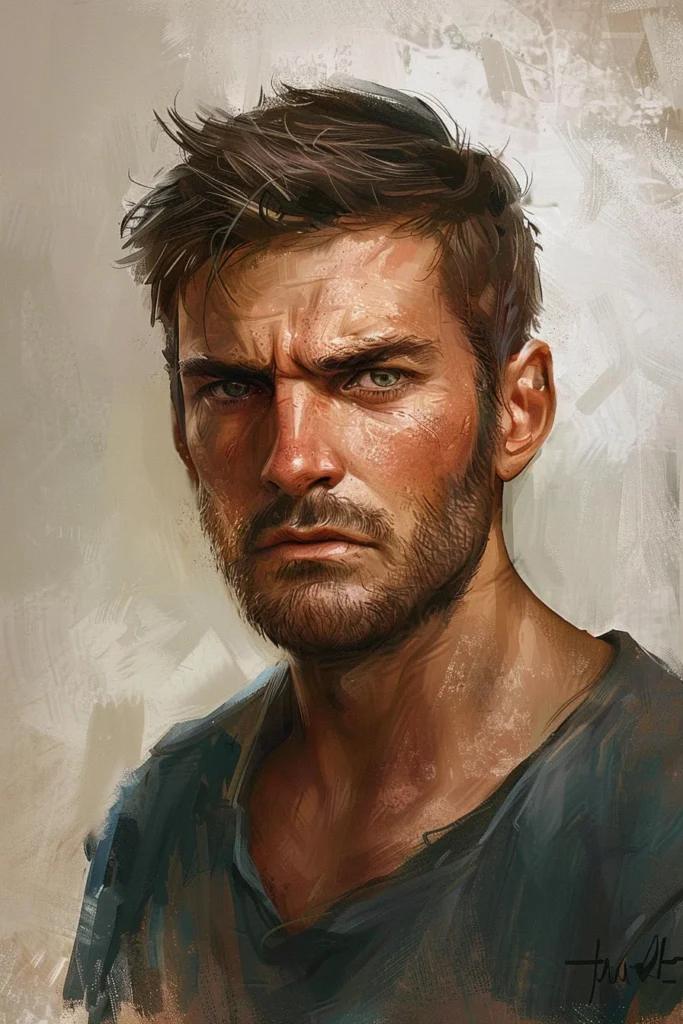
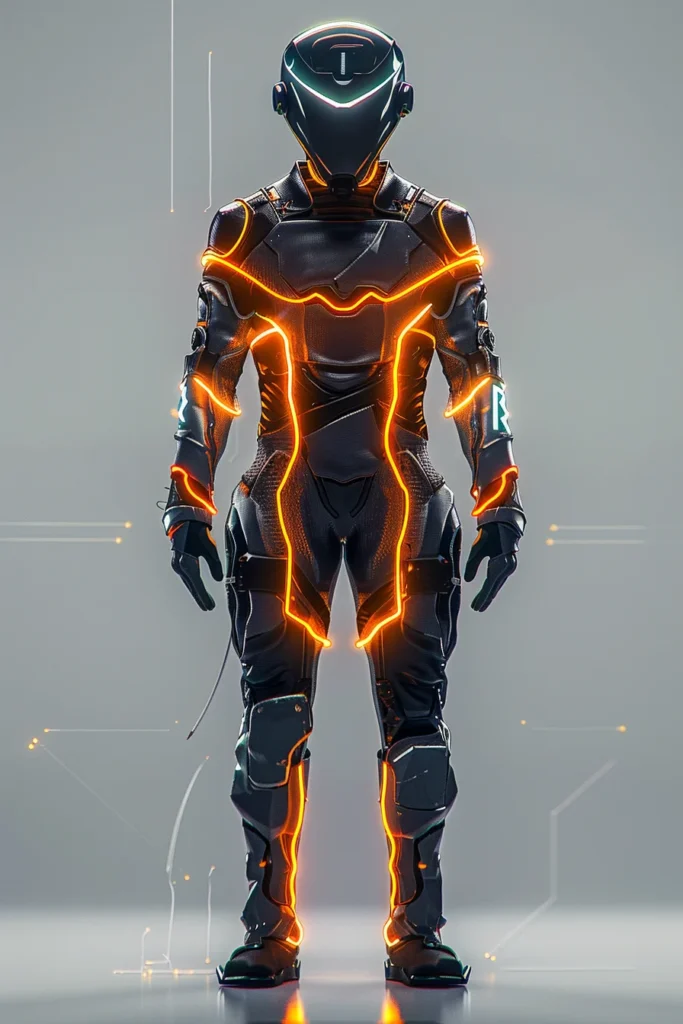
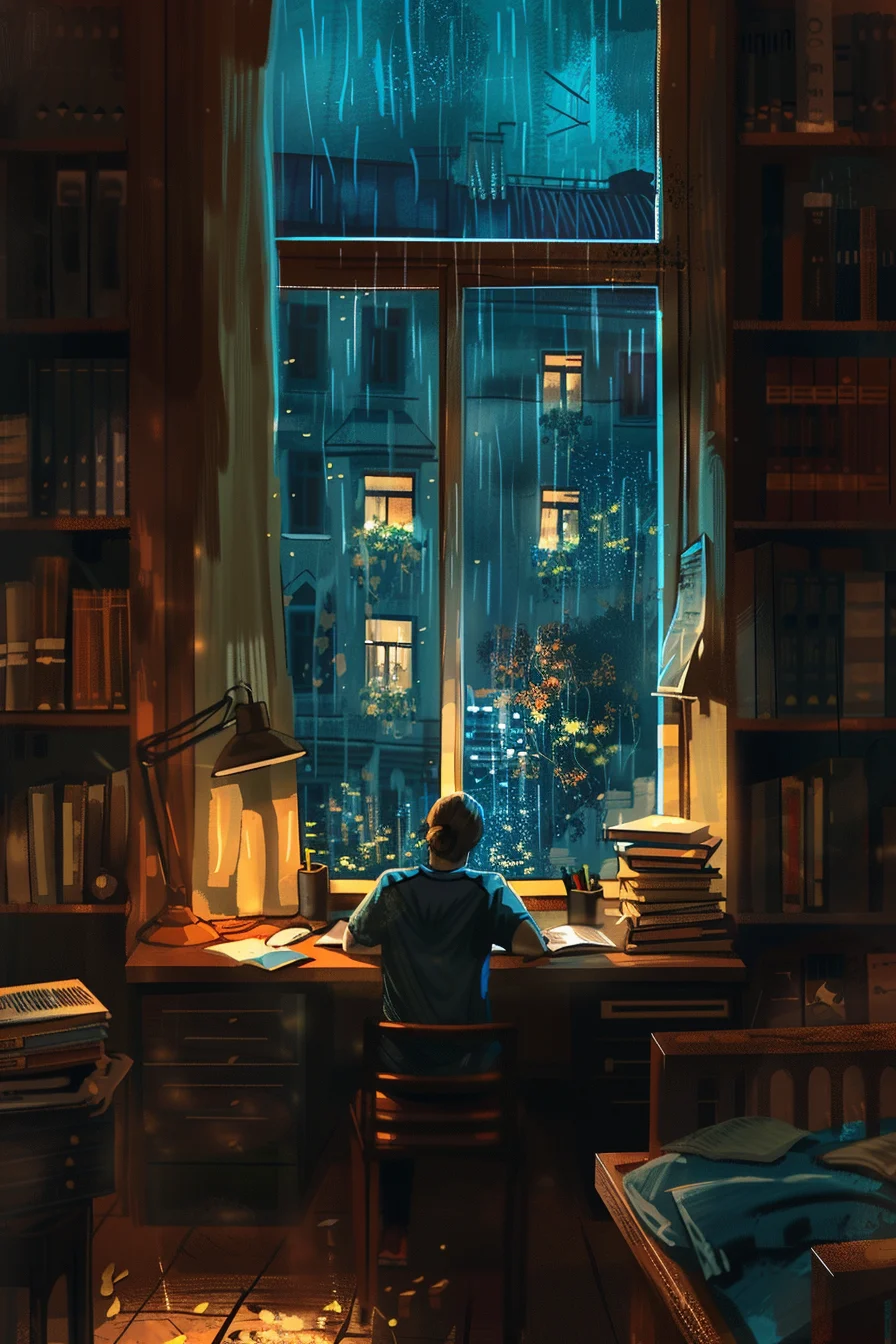
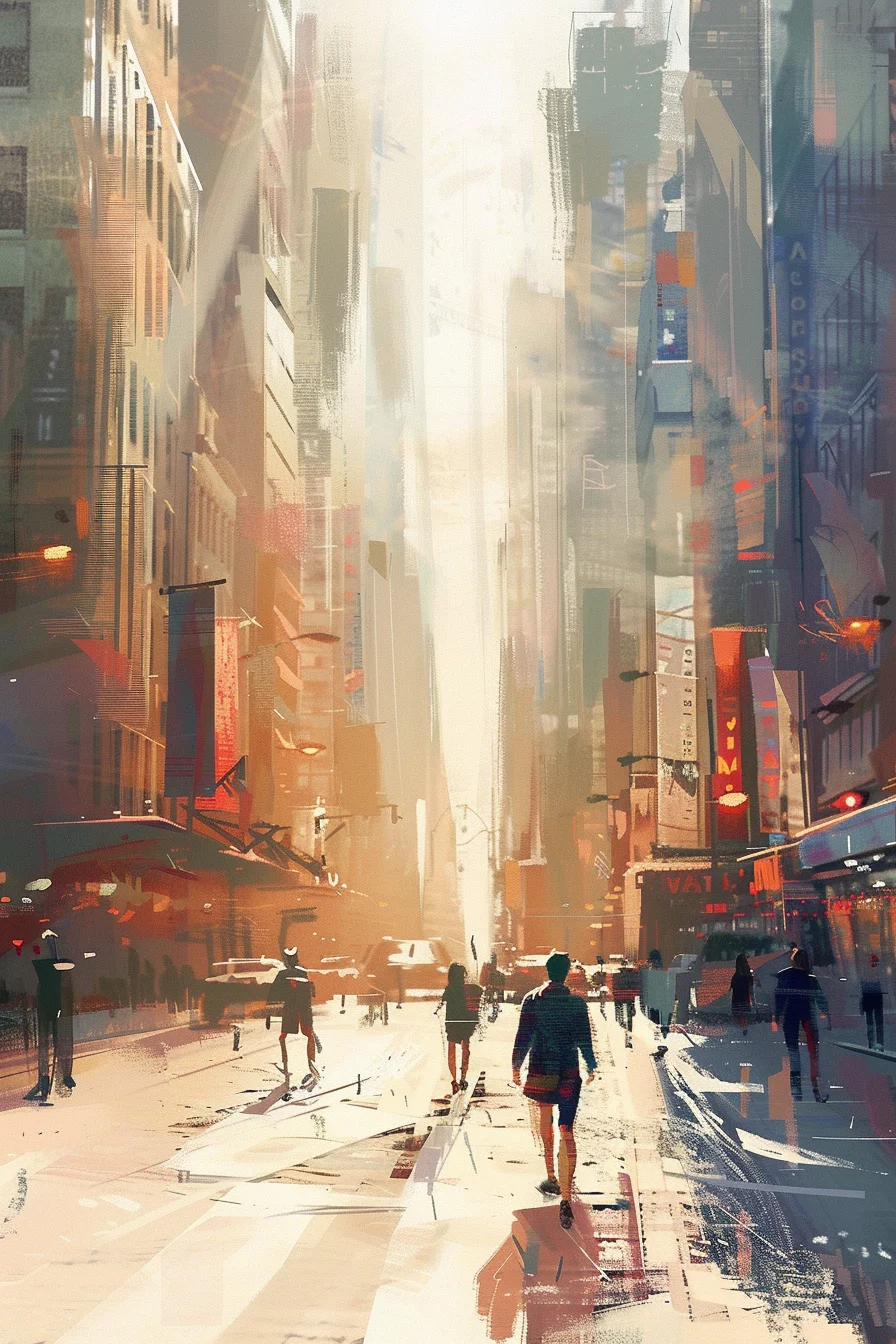
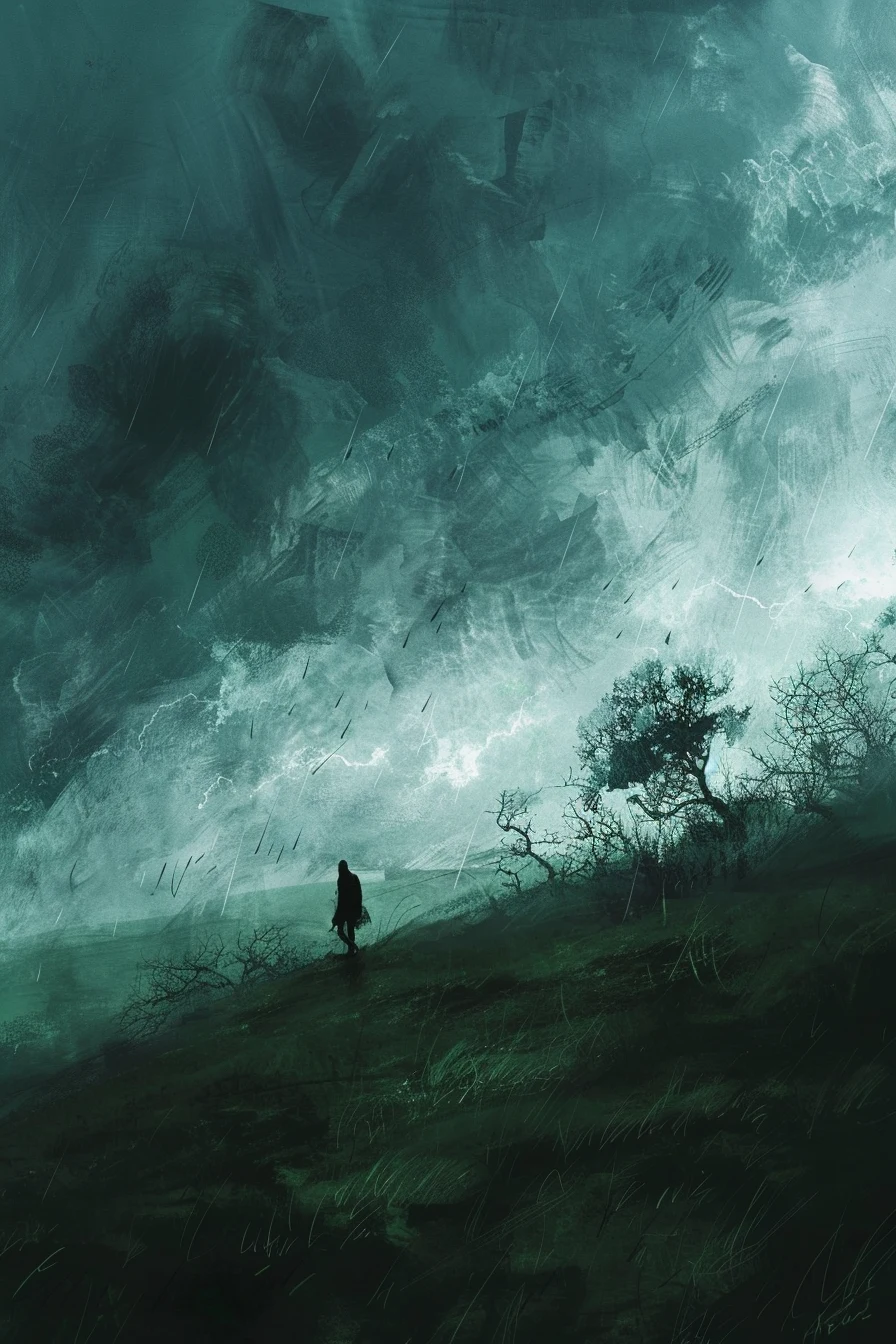
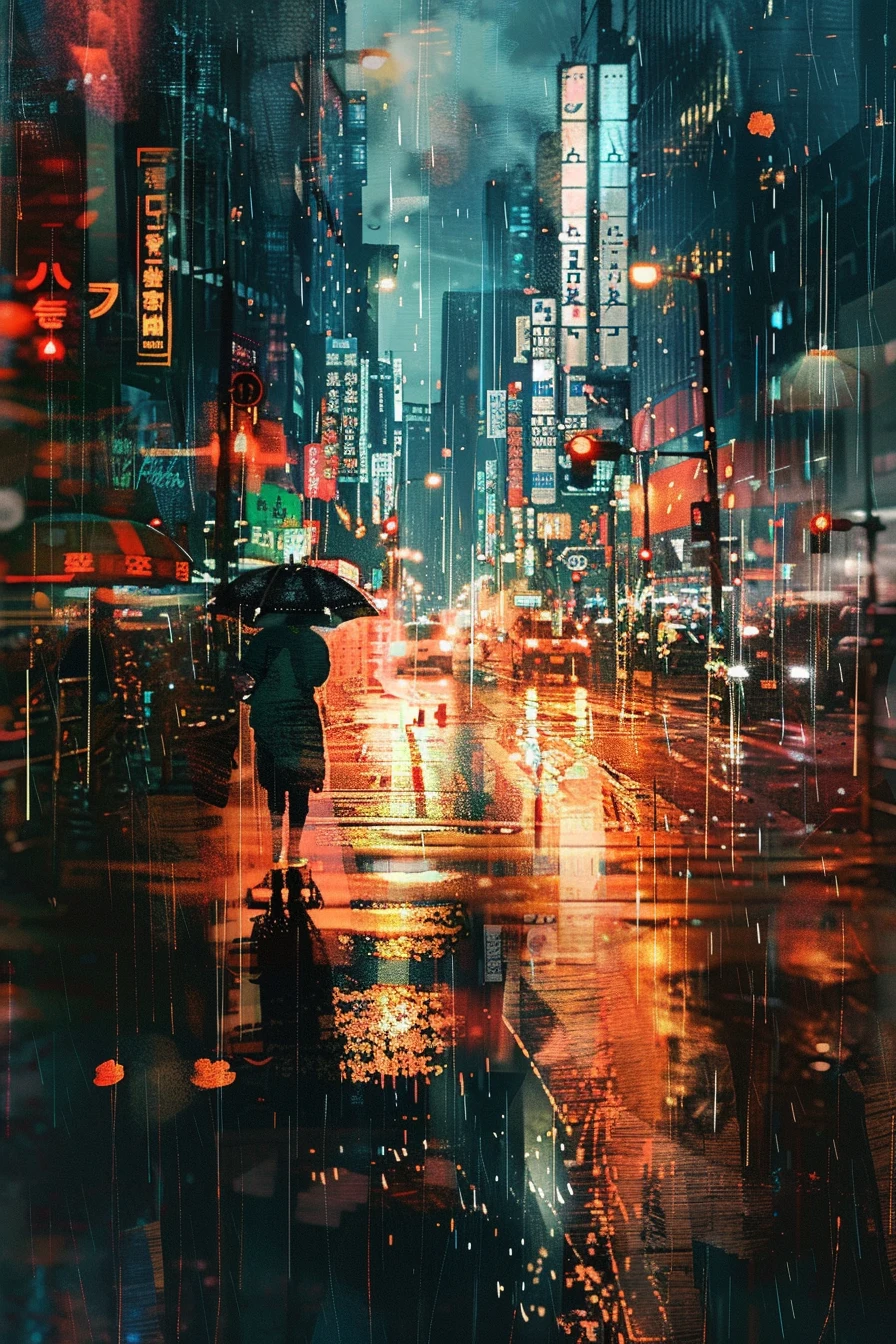
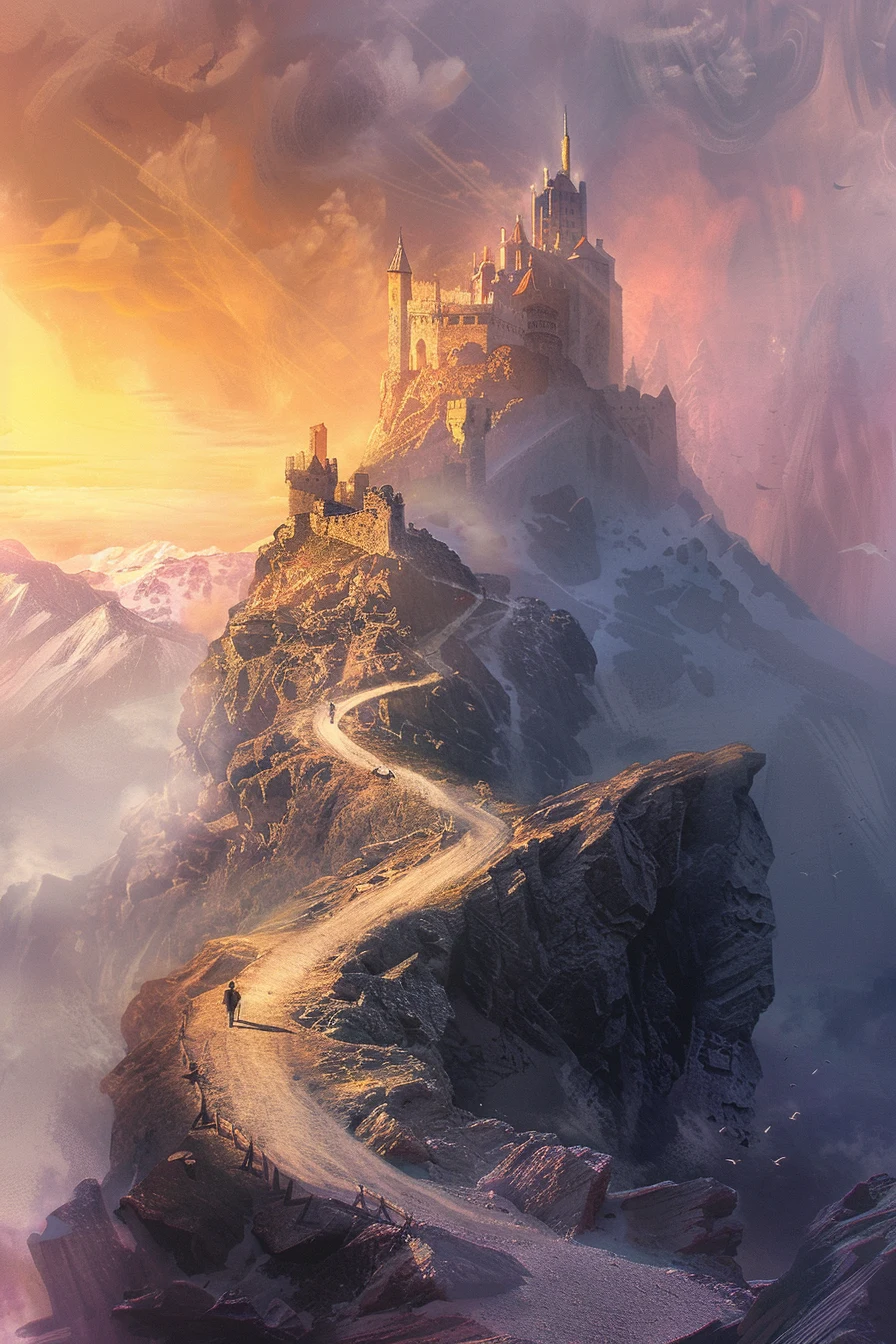
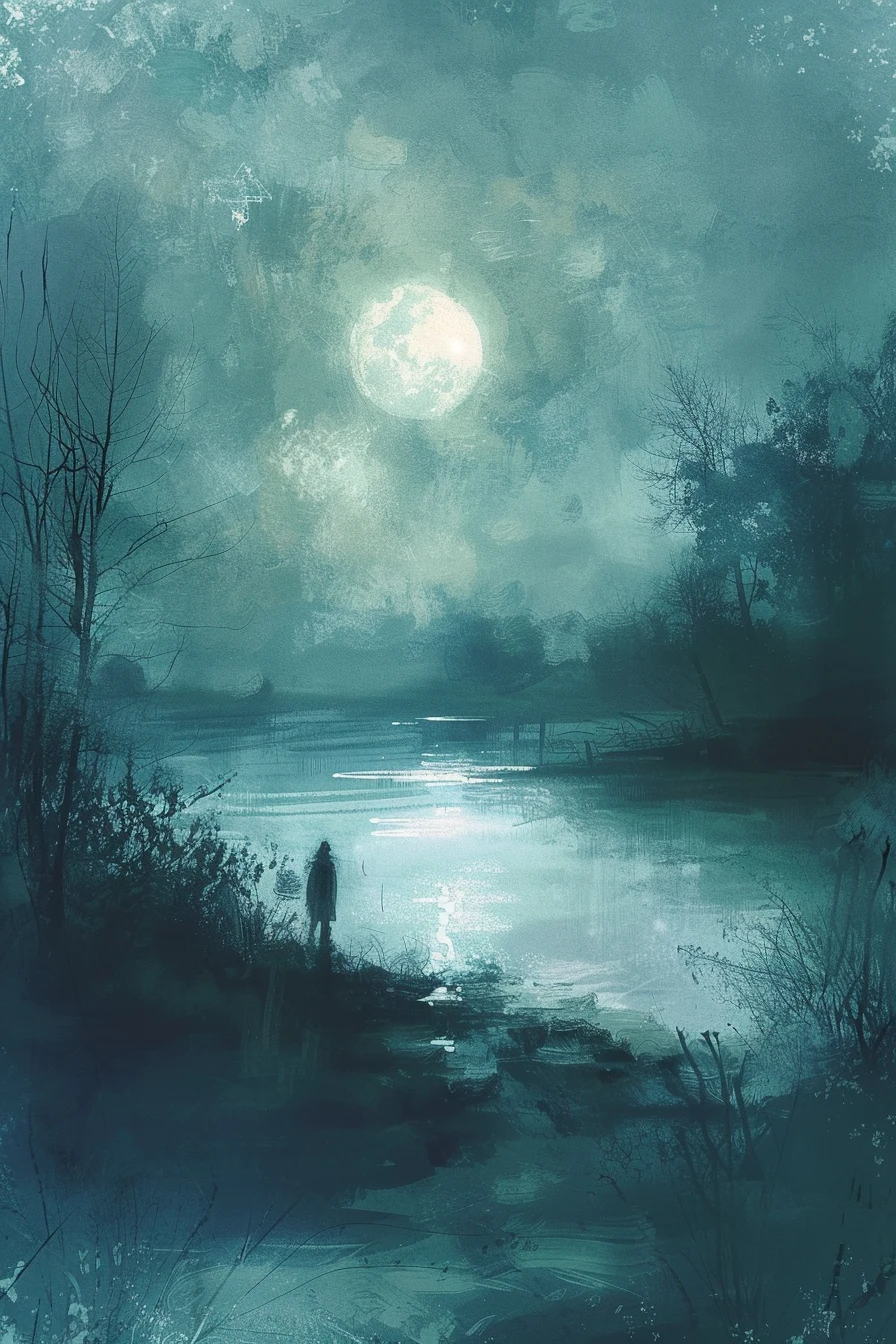
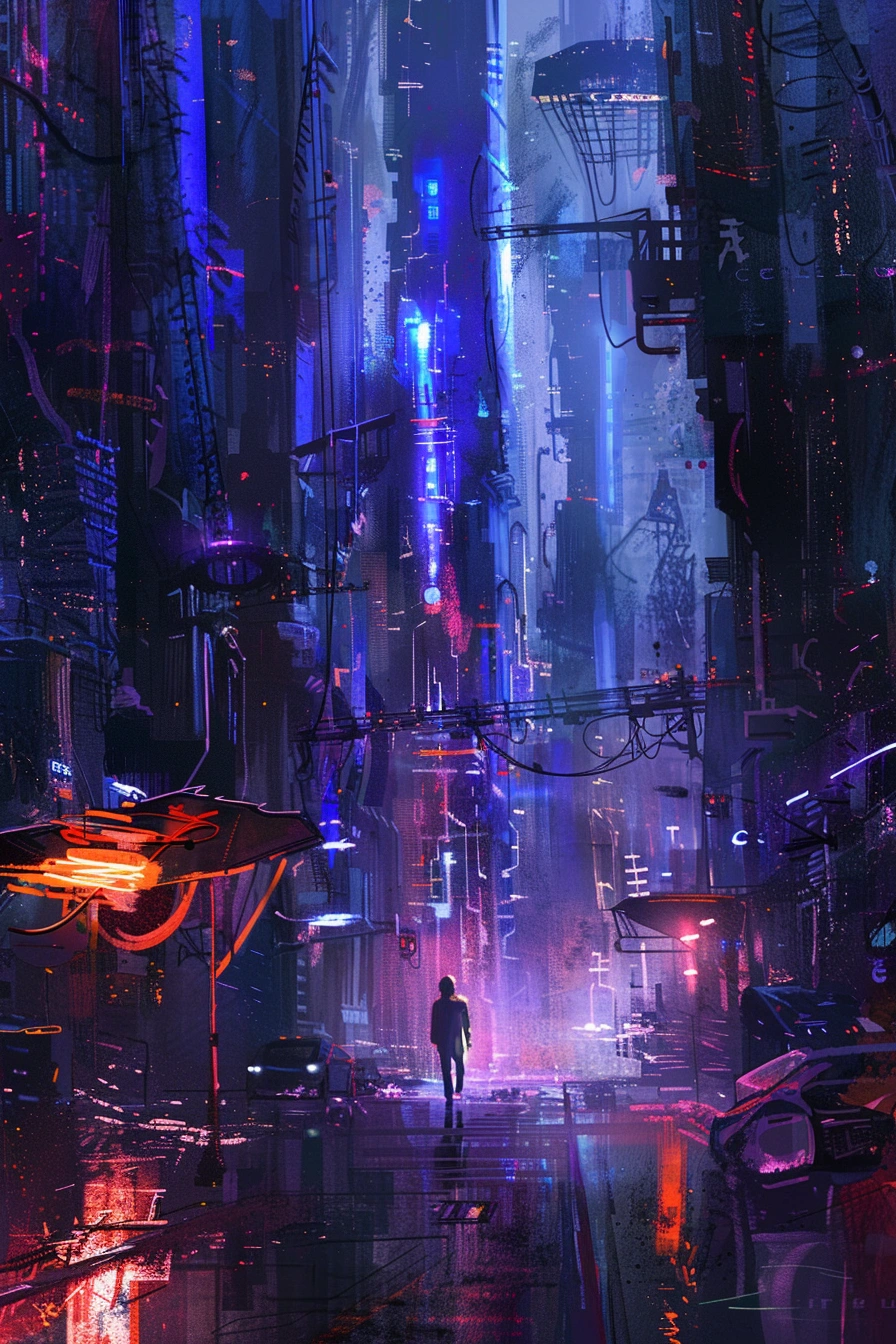
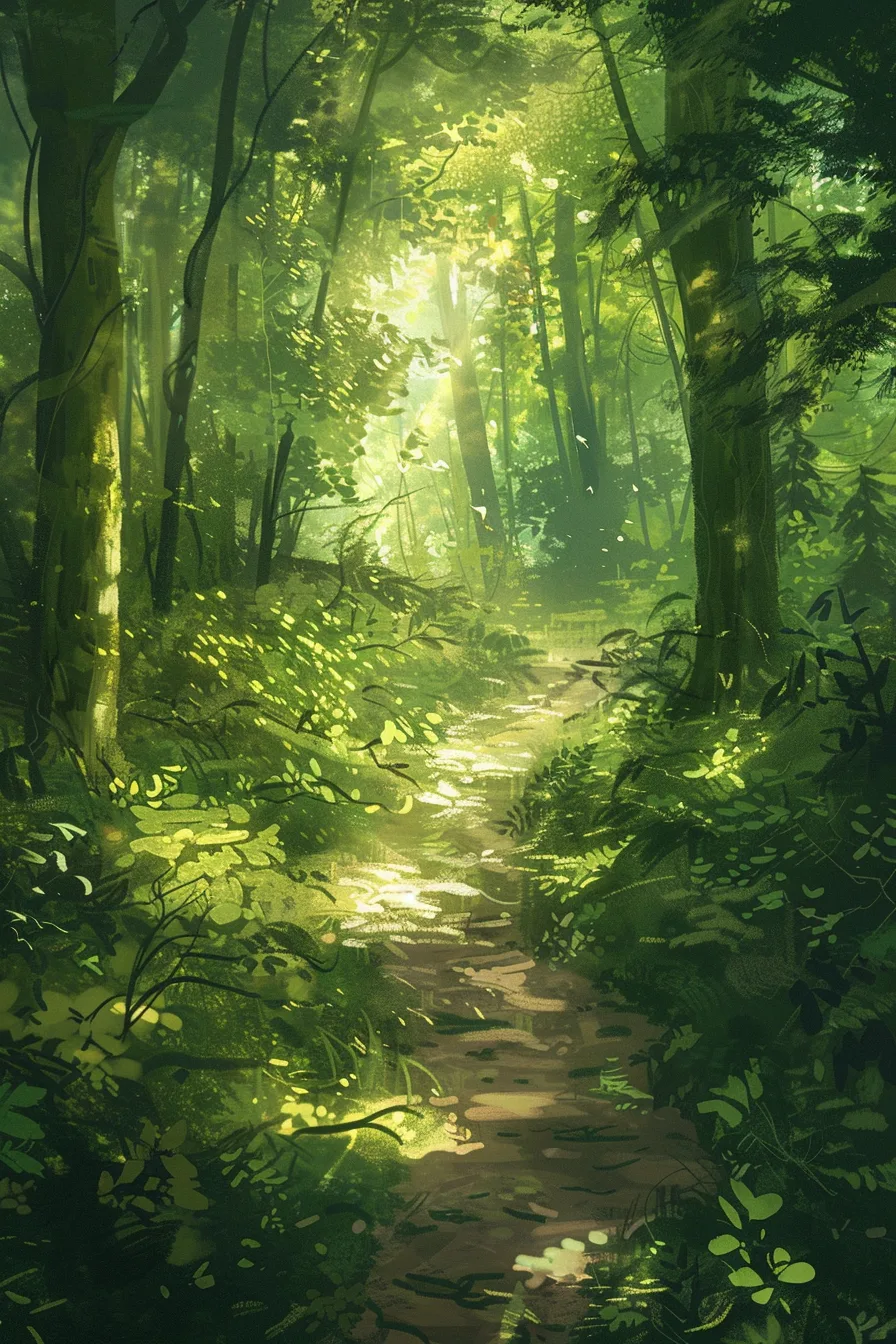
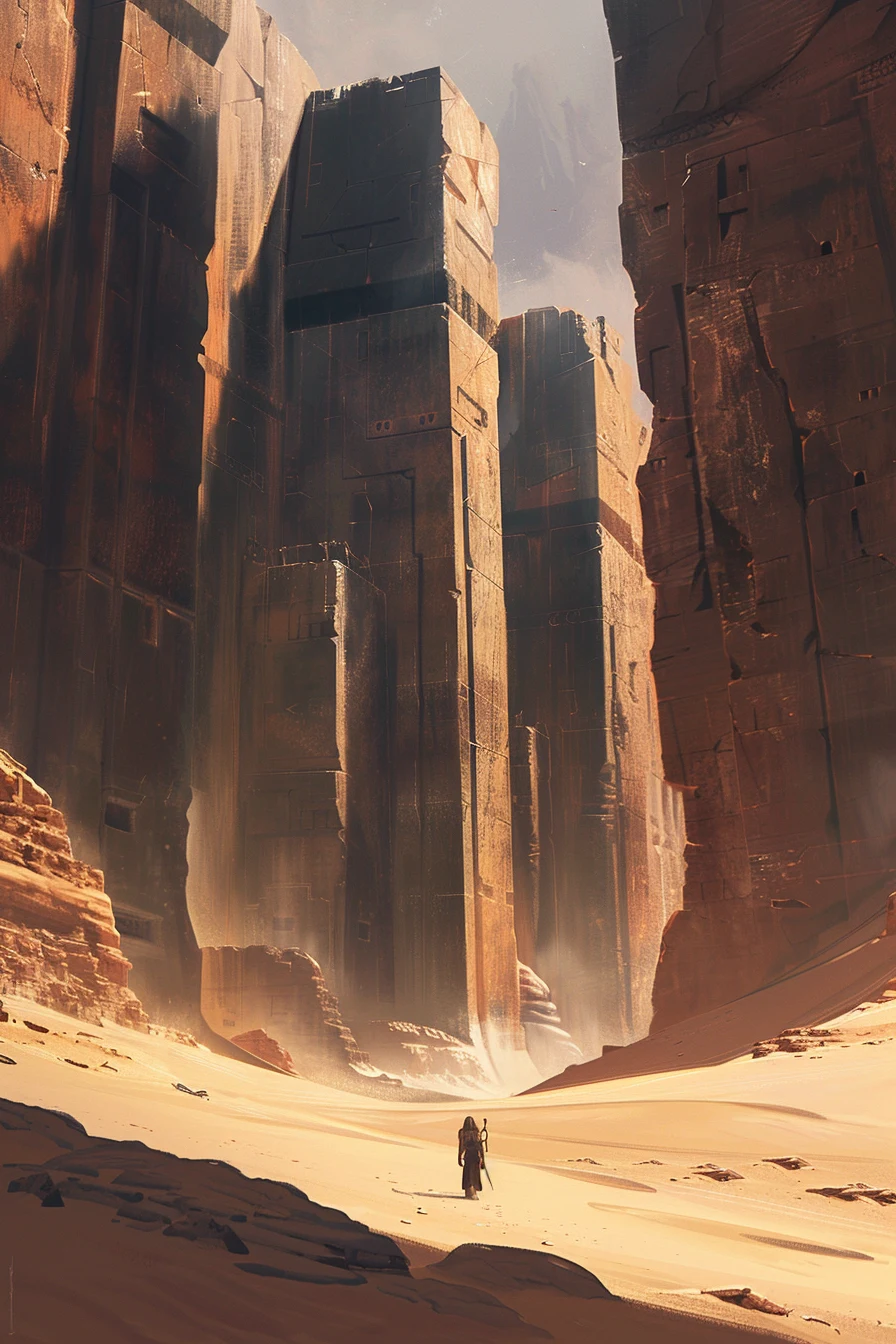
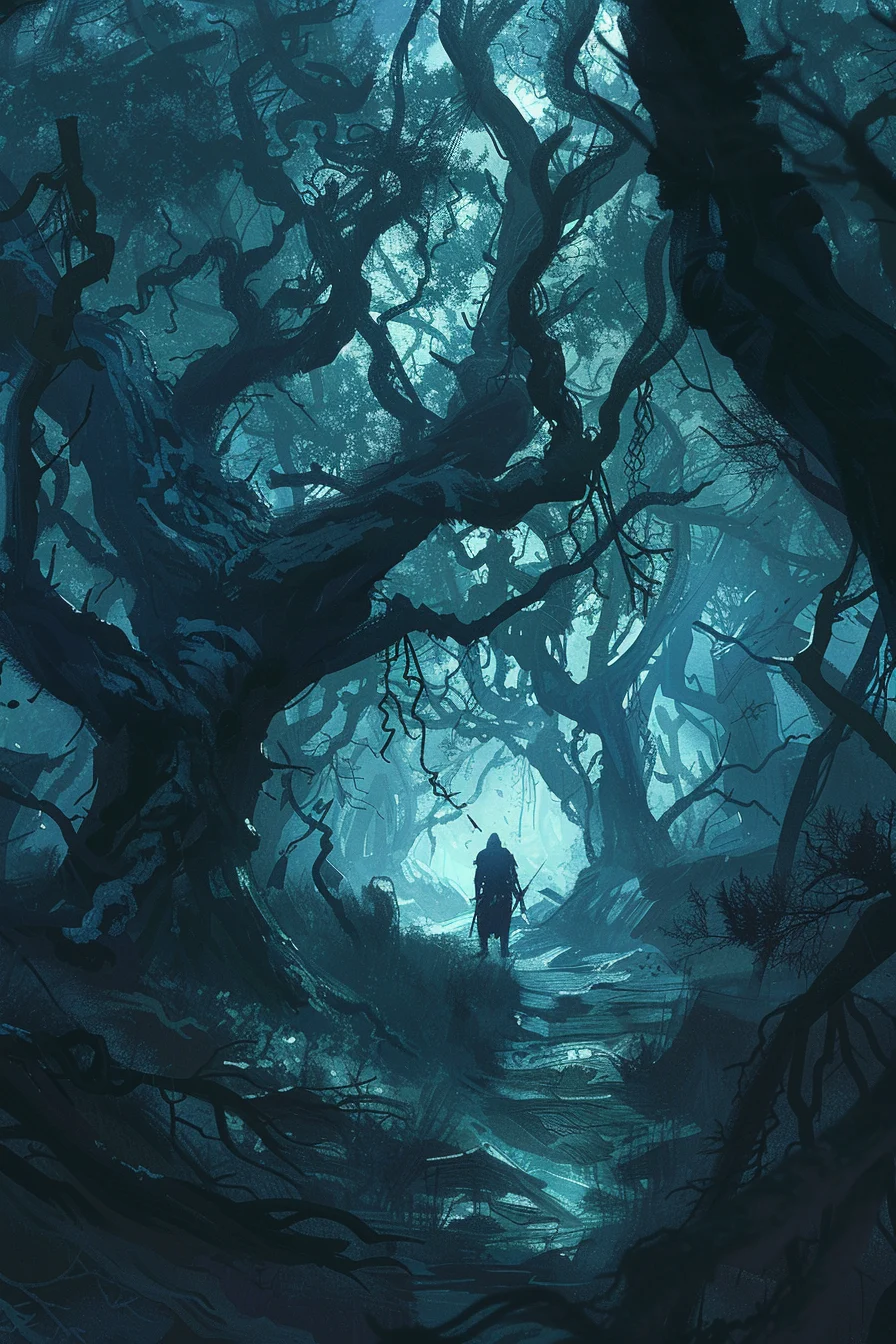
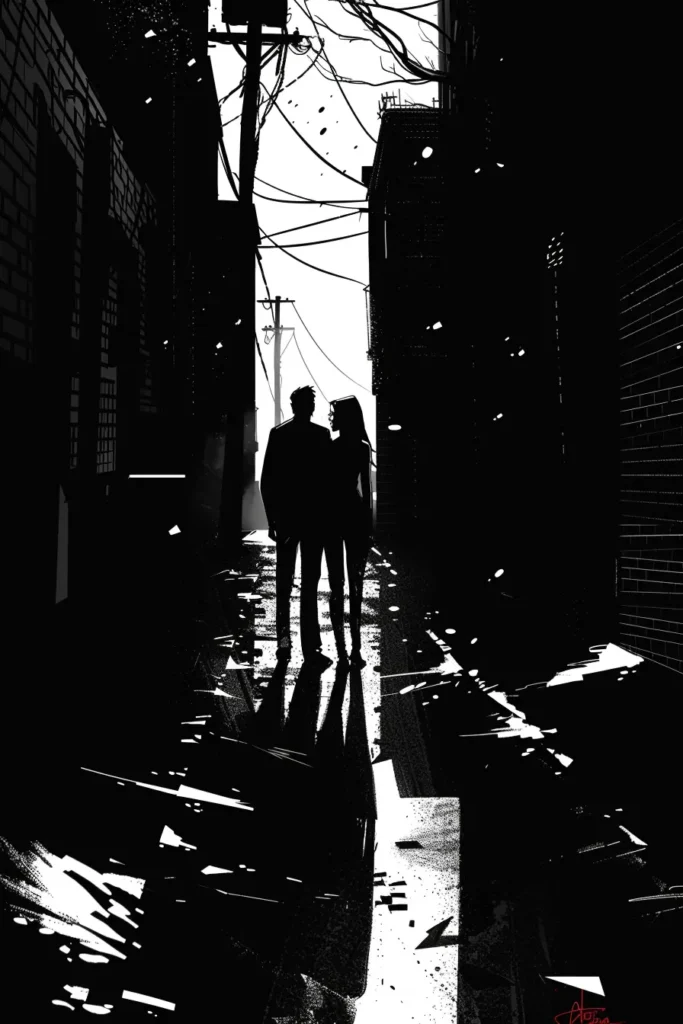
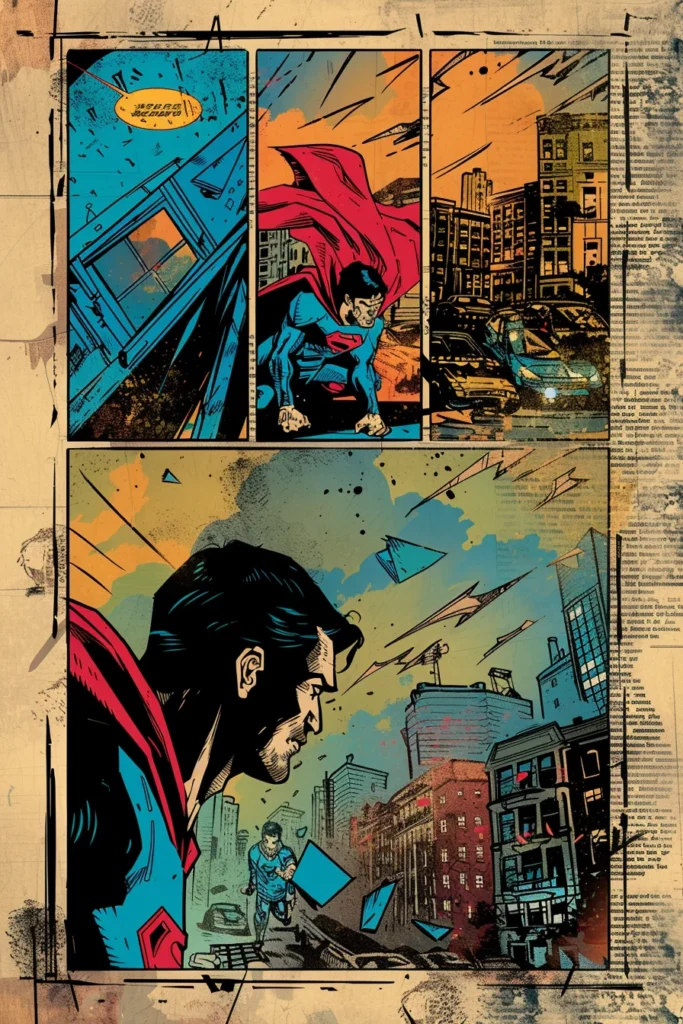
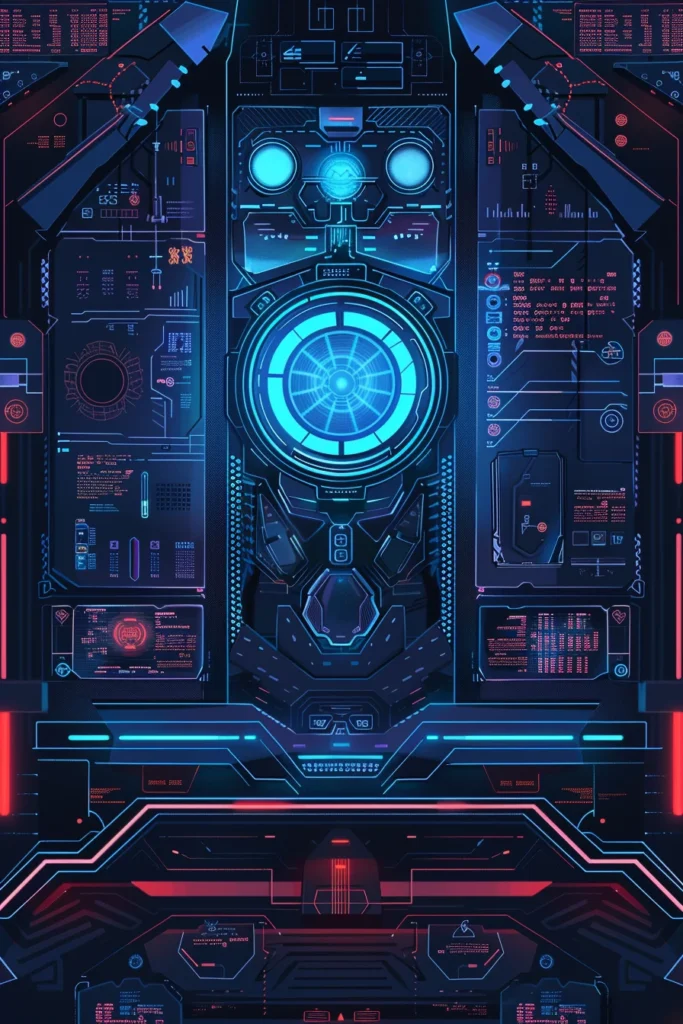
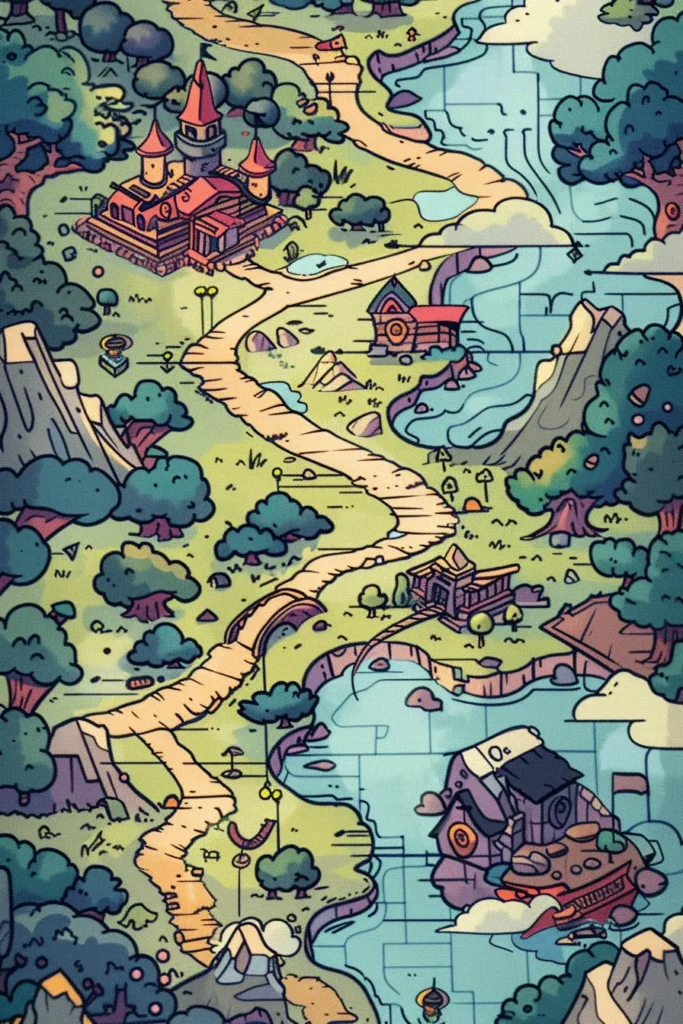
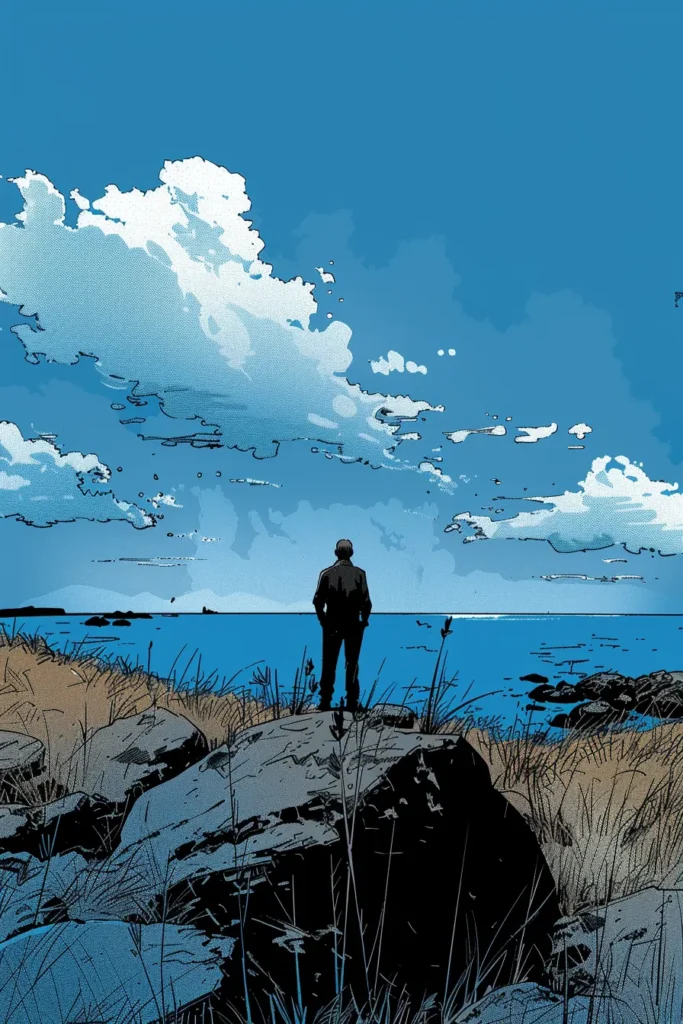
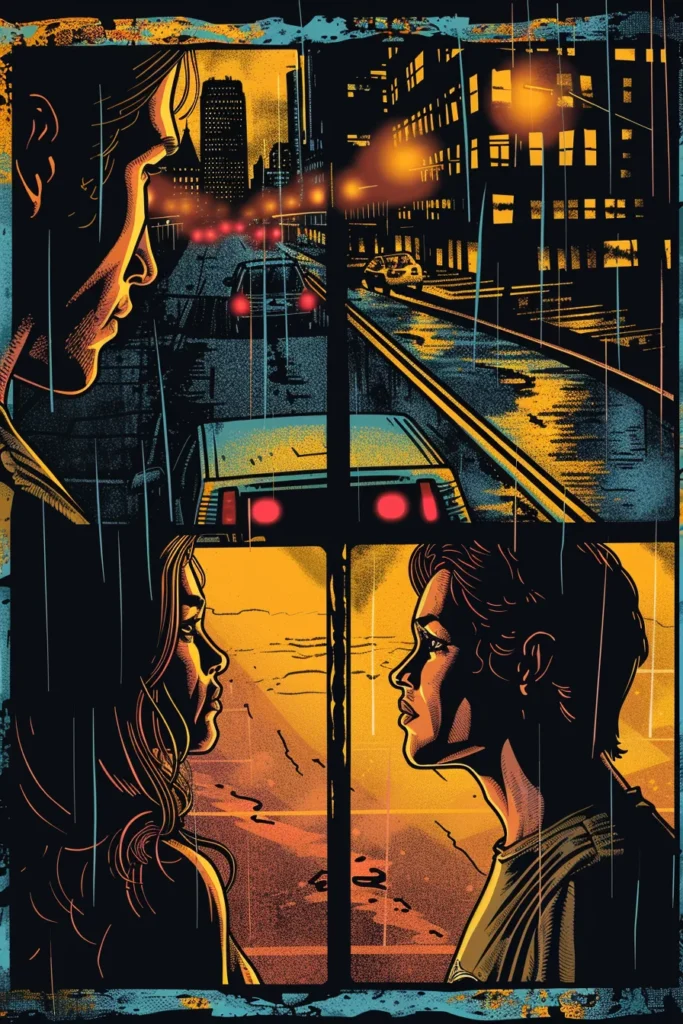
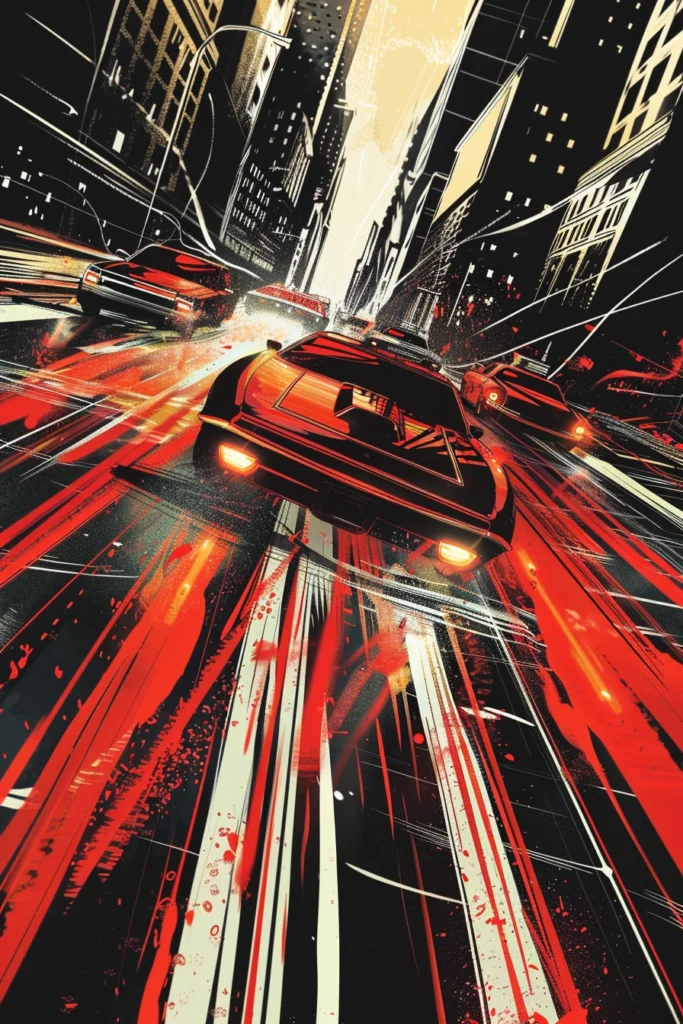
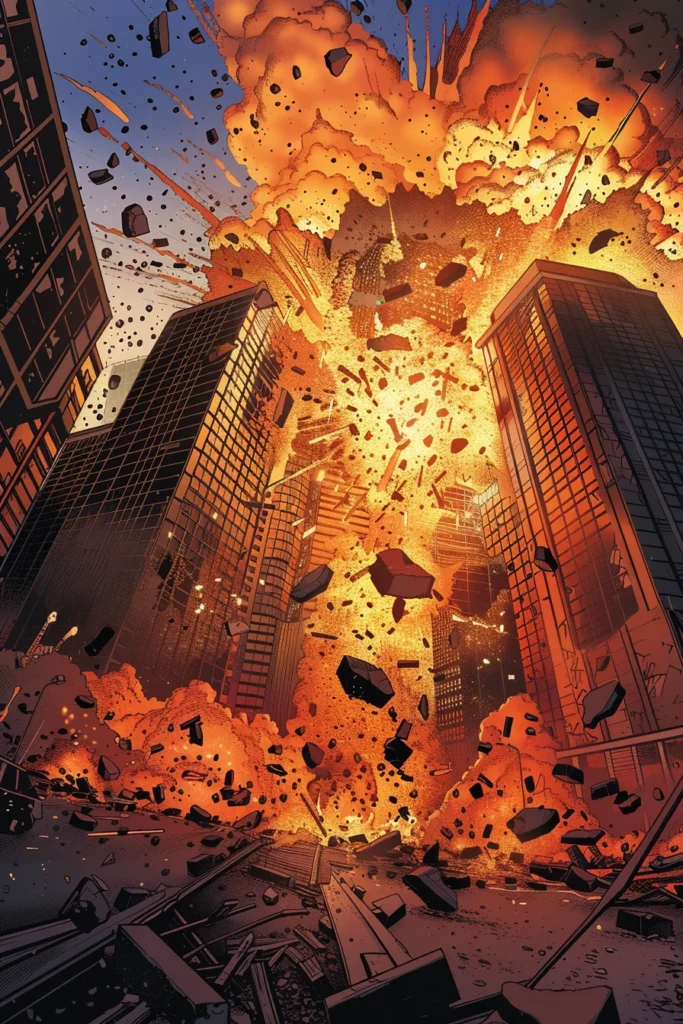
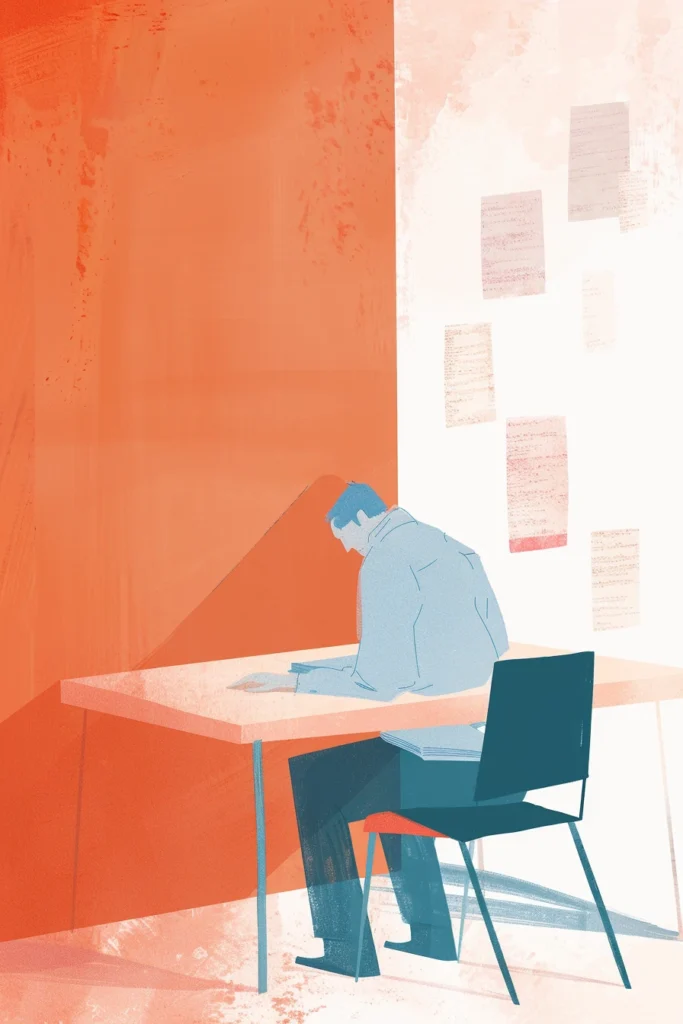
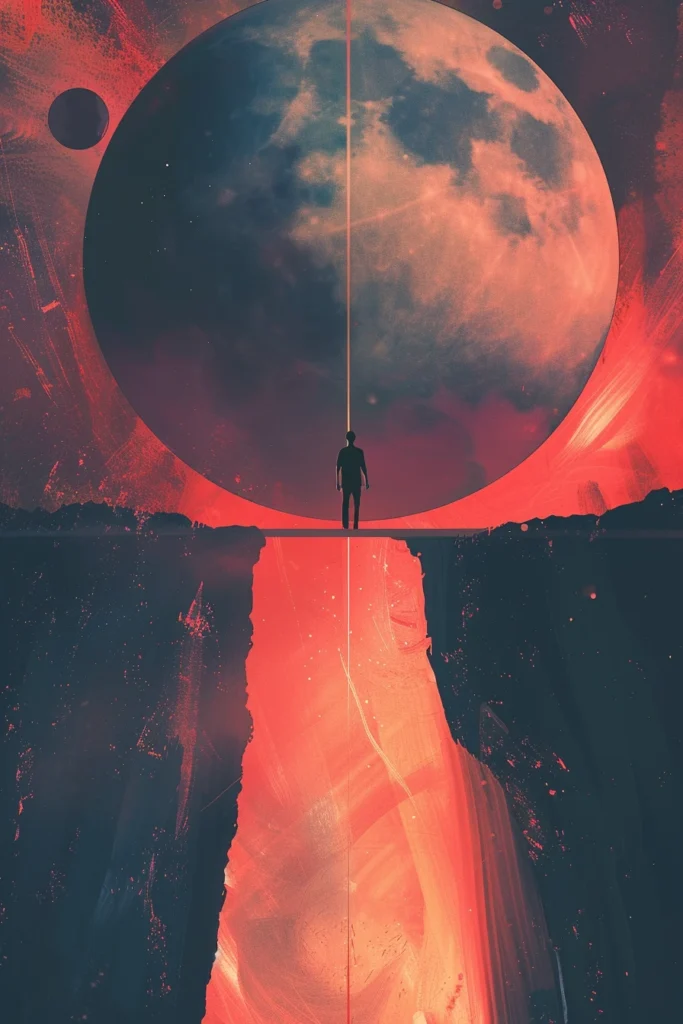
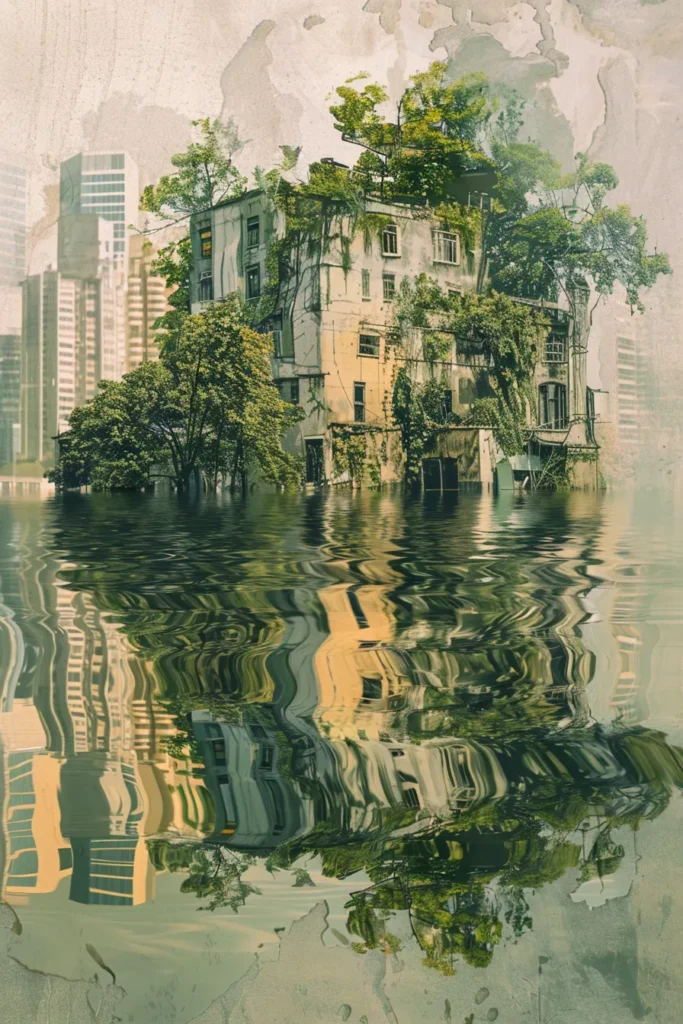
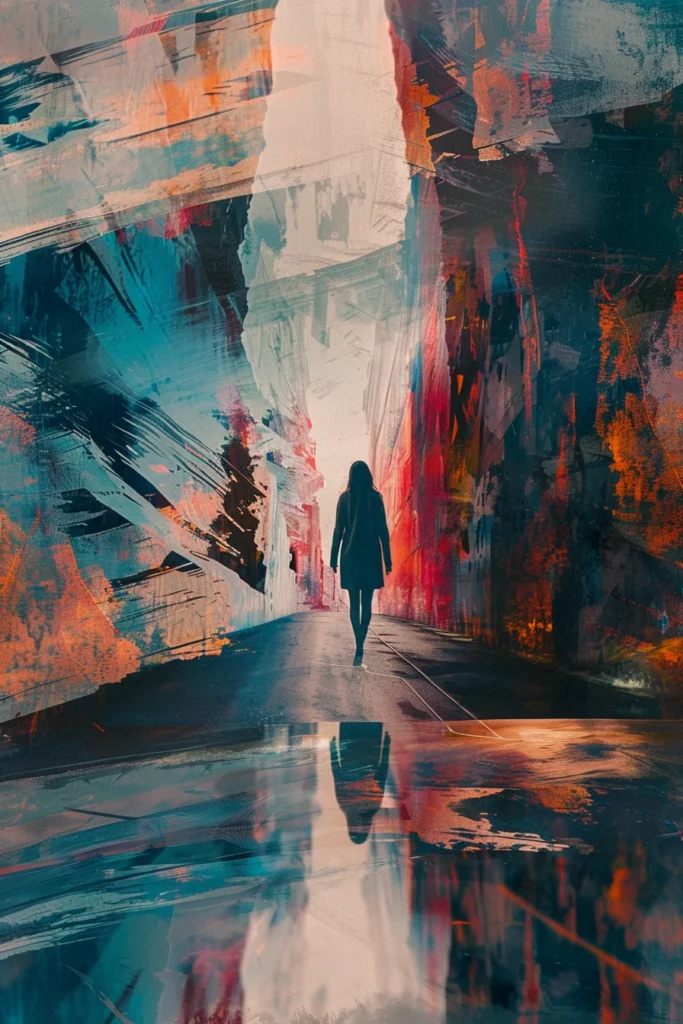
Five categories cover the full range of work shipped, from picture book spreads to graphic novel panels and editorial commissions. Tap any category to see finished pieces.






—SPECIALTIES
Nine illustration styles, from watercolor to graphic novel
Style is chosen for the reader, not the author. A watercolor bedtime book and a bold vector adventure book are both correct answers, just for different shelves.
Watercolor & Soft
Loose washes, gentle edges, muted palettes. Best for bedtime stories, lullaby books, and gentle emotional arcs aimed at ages two to five. Reads as warm and quiet on the page. Holds up at small print sizes and reproduces well on uncoated paper.
Painterly & Textured
Visible brushwork, rich color, traditional storybook feel. Common in award-list picture books and read-aloud favorites for ages three to seven. Gives backgrounds depth, works for nature settings, period pieces, and stories with strong sense of place.
Cartoon & Expressive
Bold lines, exaggerated expressions, high readability. The style most early readers respond to fastest, ages three to eight. Strong for humor, action, and character-driven series. Translates well to merchandising and animation pitches.
Vector & Flat
Clean shapes, limited palette, modern graphic feel. Good fit for concept books (counting, alphabet, shapes), STEM picture books, and contemporary stories aimed at ages four to eight. Prints crisply at any size, easiest style to maintain across a series.
Detailed Realism
Tight rendering, accurate proportions, realistic light. Used for non-fiction picture books, historical narratives, animal and nature titles, and middle-grade illustration aimed at ages seven to ten. Credibility-building for educational and library markets.
Mixed Media & Collage
Combined techniques: painted elements over photographic textures, paper-cut collage, ink with digital color. Distinctive shelf presence, often the choice for books with a strong sensory or tactile theme. The finished book looks unlike anything else in its category.
Line Art & Ink
Black-and-white pen and ink work. The standard for chapter book interiors, middle-grade spot illustrations, and classic-feel titles. Reads as timeless rather than trendy, prints cleanly on uncoated stock, and pairs well with text-heavy interiors where full color would compete with the prose.
Digital Painting
Polished digital illustration with photographic lighting and cinematic depth. Strong fit for modern middle-grade fantasy, YA crossover covers, and contemporary picture books with a cinematic feel. Higher production cost, premium shelf presence, common on award-list covers.
Comic & Sequential Art
Panel-based illustration for graphic novels, comics, and illustrated chapter books with sequential storytelling. Includes panel layout, gutters, speech balloon design, and pacing across spreads. Priced as a custom project at $185 to $225 per illustration.
—investment
Book illustration services pricing from $159 per illustration to $4,500 full book
Per-illustration pricing is for projects that need a few images, chapter openers, or supplementary art inside a longer book. For full picture books and chapter-illustrated titles, the package pricing in the next section is the better fit.
| Feature |
Spot $159 per illustration Choose Spot |
Most Popular
Half-Page $199 per illustration Choose Half-Page |
Full-Page $289 per illustration Choose Full-Page |
|---|---|---|---|
| Scope and timeline | |||
| Best for | Chapter headers and scene breaks | Chapter openers and feature art | Picture book and full-page spreads |
| Placement size | Two to four inches | Half page | Full page |
| Timeline | 5 to 8 business days | 7 to 10 business days | 10 to 15 business days |
| File formats delivered | |||
| Bleed area for full-bleed spreads | ✗ | ✗ | ✓ |
| Both CMYK and RGB versions | ✗ | ✓ | ✓ |
| Kindle Kids' Book Creator specs | ✗ | ✓ | ✓ |
| Apple Books fixed-layout specs | ✗ | ✓ | ✓ |
| What it's used for | |||
| Middle-grade chapter openers | ✗ | ✓ | ✓ |
| Non-fiction children's feature art | ✗ | ✓ | ✓ |
| Picture book interior spreads | ✗ | ✗ | ✓ |
| Early reader full-page art | ✗ | ✗ | ✓ |
In every tier
- Two to three revision rounds, scope documented
- Sketch round before any colour is applied
- Character consistency from your reference sheet
- Source files where the contract specifies
- Print-ready PDF at 300 DPI, CMYK
- POD specs for KDP, IngramSpark, B&N Press
- RGB digital files
- Suitable for chapter book interior decoration
- Full ownership, 100% rights and royalties retained
- Commercial rights for marketing and merchandise
- The same illustrator, whichever scale you choose
—HOW IT WORKS
How character bibles keep faces identical for 24 pages
Character drift is preventable. The fix is not talent, it is documentation. Every illustrator on a multi-page project works from the same reference sheet, built before any final art begins.
I
Manuscript read and creative brief
The full manuscript gets read before any drawing happens. Age band, tone, pacing, page-turn beats, and emotional arc are mapped against the text. The brief documents target reader age, comparable titles on the shelf, color palette direction, and which scenes carry the most narrative weight. Output is a written brief signed off before sketching starts. Skipping this step is where most freelance illustration projects start drifting.
II
Character design phase
Each named character is designed in isolation before any scene work. Front view, side view, three-quarter view, and a small expression sheet showing happy, sad, surprised, and a character-specific emotion. Outfits, accessories, and proportions are locked. For animal characters, anatomy and color markings are documented down to the placement of spots or stripes. Two rounds of revision on character design alone, because every later spread depends on these sheets.
III
Style sample approval
One full sample spread is produced in the chosen style before the rest of the book moves forward. This is the moment to change direction. Color palette, line weight, background detail level, and lighting style are easier to adjust on one spread than to rework after 12 finished pages. Sample spread approval is a hard gate, no further work begins until the sample is signed off.
IV
Sketch round across all spreads
Rough sketches for every spread in the book, layout-only, no color. The full visual flow becomes visible at this stage: which spreads are dense, which are quiet, where the page turns hit, whether any spread is repeating composition with another. Two rounds of sketch revision. Catching a layout problem here costs minutes. Catching it after color costs days.
V
Color and final rendering
Approved sketches get color, lighting, and final rendering. The character reference sheets from Step 2 are open in every working file, every page. Color palettes from the sample spread carry through. Two rounds of color revision per spread. Background detail, atmospheric effects, and small story-supporting details (a toy in the corner of a bedroom, a bird on a fence) are added at this stage.
VI
File preparation and delivery
Print-ready files at 300 DPI with bleed and CMYK conversion for offset and POD printing. Separate digital files in RGB for Kindle, Apple Books, and fixed-layout EPUB. Source files (PSD, AI, or Procreate originals depending on style) included where the contract specifies, with the character bible included as a separate reference document for any future books in the series.
—Frequently Asked Questions
Book illustration questions before commissioning a single page
The questions that come up most often during the book illustration conversation, answered the way an illustrator would answer them after the call.
How much does it cost to illustrate a children's book?
A full picture book runs $2,995 for up to 12 full-color illustrations (the Picture Book Package) or $4,500 for up to 24 (the Full Book Package), and both include character design, a character bible, and a cover illustration matched to the interior. If the book needs only a handful of images, single illustrations are priced at $159 for a spot, $199 for a half-page, and $289 for a full-page. Projects beyond 24 illustrations, including graphic novels, move to custom pricing at $185 to $225 per illustration. Every quote is built from the actual page count, age band, and style, not a flat estimate.
How long does it take to illustrate a full picture book?
It depends on the illustration count and how many revision rounds each spread needs, so the project timeline is set once the page count is locked. As a reference, single illustrations run 5 to 8 business days for a spot, 7 to 10 for a half-page, and 10 to 15 for a full-page. A full book adds the up-front character-design and sample-spread stages before spreads move into color, so most of the schedule sits in the sketch and color rounds across all spreads rather than in setup.
Does the illustrator also design the book cover?
Yes. The full-book packages include a cover illustration matched to the interior style, so the cover and inside pages read as one book rather than two separate jobs. For per-illustration projects, a cover can be added at the full-page rate and built from the same character sheets, which keeps the character looking identical from the cover through every spread. Cover typography and back-cover layout are handled in the book design service, separate from the illustration itself.
What happens if the first character design is not what the author had in mind?
Direction can change at no extra cost, because character design happens in isolation before any scene work begins, with two rounds of revision built into the package price. Once the character sheets are signed off, every later spread is built from those references, which is why getting the design right matters more than nailing the very first sketch.
Can the manuscript still be in draft form when illustration starts?
Picture book manuscripts can shift during illustration, but big rewrites mid-project create rework on spreads that have already moved past the sketch stage. The recommended sequence is: manuscript edited and locked, illustration brief built from the locked manuscript, character design, then full production. Small text edits during illustration are normal and expected. Cutting or adding spreads after color rendering has started is where additional charges become possible.
What styles do not work for children's picture books?
Hyper-photorealistic 3D rendering rarely works for ages three to seven. The faces tend to read as uncanny rather than warm, and small children respond better to stylized features. Heavy ink-and-shadow comic styles work for middle-grade graphic novels but feel too intense for bedtime-age picture books. Anime-influenced styles work in specific subgenres (early reader chapter books, certain action-oriented picture books) but read as off-target for traditional picture book buyers.
Who owns the copyright to the book illustrations after delivery?
Full ownership of the final artwork transfers at delivery, including commercial rights to use the illustrations for the book, marketing, merchandise, sequels, and any future adaptations. Source files (PSD, AI, Procreate originals) are included in the transfer where the contract specifies source file delivery. The illustrator retains the right to display finished work in their professional portfolio, which is standard across the illustration industry.
What if the book needs more than 24 illustrations?
Projects beyond 24 illustrations move to custom project pricing at $185 to $225 per illustration, with package-level character design and revision rounds folded into the quote. Graphic novels, comics, heavily illustrated middle-grade chapter books, and educational picture books with 30 or more interior images typically land in this category. Custom quotes are built from the actual page count and complexity, not from a one-size estimate.
Can illustration be split across multiple illustrators to move faster?
For a single book, no. Splitting interior illustrations across two illustrators is the fastest route to character drift, even when both illustrators are working from the same character bible. Style differences in line weight, color application, and facial expression are visible to readers, especially small children who are reading the art more than the text. The full-book packages assign one lead illustrator per project for this reason. For series with multiple books, different titles can be assigned to different illustrators if the character bible is detailed enough, but inside a single book the answer is one illustrator.
What file format do KDP and IngramSpark require for picture book illustrations?
Amazon KDP, IngramSpark, and Barnes & Noble Press all accept interior PDFs at 300 DPI minimum, with bleed added wherever art runs to the edge of the page. The main difference is color. IngramSpark requires CMYK files converted before upload, while KDP accepts RGB and converts to CMYK on its own end. Bleed is 0.125 inch on all three platforms; the safety margin differs slightly, with KDP asking for 0.375 inch when bleed is used and IngramSpark recommending 0.5 inch. Files delivered with this project are prepared to meet the published specs of all three platforms. Additional formatting for Kindle Kids' Book Creator and Apple Books fixed-layout EPUB is part of the book formatting service, separate from illustration.
Is AI-generated illustration available as a lower-cost option?
No. AI-generated illustration is not part of the service offering. Children's book buyers, librarians, and bookstore buyers increasingly screen for AI-generated art, and Amazon's KDP content guidelines require authors to disclose AI-generated text, images, and translations during publishing. The character consistency, narrative storytelling, and emotional nuance that picture books need are also genuinely outside what current AI tools deliver reliably across 12 to 24 spreads. Every illustration shipped is human-made, by a working children's book illustrator.
Are maps and world-building visuals available for fantasy or historical books?
Yes. Single-map and map-spread illustrations are priced per illustration at the same tier rates as other interior art, with placement determined by the manuscript ($199 for half-page, $289 for full-page or full spread). Map work includes route progression, geographic hierarchy, and labelling density refined for readability at trim size. Multi-map projects for fantasy series move to custom pricing at $185 to $225 per map.
Is there an art director involved, or just the illustrator?
On single-illustration projects the lead illustrator handles art direction in-house, working from the manuscript brief and the character design sheets. On full-book packages a separate art-direction review happens at the sample-spread approval gate and again before final rendering begins. The review is checking for narrative pacing, character consistency across spreads, and print readiness of the files. It is not a creative re-direction; it is a quality gate.
Next Steps
❦Start a book illustration project today
A picture book lives or dies on its art. Every project is briefed against your manuscript, age band, and style direction, with a locked character bible and source files included where the contract specifies. Book a call and your first reply schedules you with an illustration specialist on the team, not a sales agent.
Mutual NDA available before the call on request. 100% rights retention guaranteed. No contracts until you decide.
AuthorWings· Transparent Pricing · 100% Your Rights
Last updated: July 2026