Non-fiction ghostwriting services for busy experts
A business book ghostwriter or executive ghostwriter writes your book from interviews with you, in your voice. You stay the expert and decide what the book argues. Non-fiction ghostwriting is 55¢ a word, from $11,000 for 20,000 words, and takes 8 to 27 weeks. Every word written by a human writer, with all four EFA editing levels included.
Non-fiction is one part of our book ghostwriting services.
- Your argument
- Your name on the cover
- 100% of the rights
An example written for this page, not taken from a client.
What professional non-fiction ghostwriting actually delivers
Whether you are looking for a business ghostwriter, an executive ghostwriter, or a ghostwriter for non-fiction books in another field, check what the contract covers. Every non-fiction book here includes these three things.
Structured Manuscript
A finished manuscript of 20,000 to 120,000 words, built on a chapter plan you approve before writing starts. Each chapter opens with a reason to keep reading and closes on something the reader can use. Chapters come to you in batches, so a change costs a conversation, not a rewrite.
Voice Capture
Before any writing, your writer interviews you to learn how you speak, for as many hours as your book needs, up to 10. They also review the podcasts, talks, articles, and course material you share. The result is a written voice profile, which you approve and every chapter is checked against.
Editing Included
All four editing levels are built into every book, in order, handled by one lead editor, with a fresh proofreader for the final check. There is no separate editing bill at the end. The manuscript you receive is ready for cover design, formatting, and publishing, and every chapter has already passed your review.
See the price for your length in the non-fiction prices, or how a finished manuscript is published on non-fiction publishing.
Non-fiction ghostwriter pricing for every book length
Non-fiction ghostwriting is 55¢ a word, from $11,000 for 20,000 words. Ghostwriter costs for business writing follow the length of your book. Your title and the size of your company never change the price. Drag the slider to see your price.
55¢ a word, from 20,000 words. Over 120,000 words? Quoted on your call.
Non-fiction ghostwriting
$11,000
Every word written by a human writer. Includes all four EFA editing levels.
Rounds of changes2
Timeline8 to 12 weeks
With cover, formatting and publishing (Launch-Ready)$12,239
Next: a free 30-minute call. No contract until you decide.
| Book length | Price | Rounds of changes | Timeline | With Launch-Ready |
|---|---|---|---|---|
| 20,000 words | $11,000 | 2 | 8 to 12 weeks | $12,239 |
| 50,000 words | $27,500 | 3 | 12 to 18 weeks | $29,144 |
| 90,000 words | $49,500 | 5 | 18 to 27 weeks | $51,817 |
Your writer decides the interview hours your book needs, up to 10 hours. Extra sessions you ask for are quoted on your call.
Need it sooner? Rush delivery is +25%, subject to writer approval and confirmed on your call.
Flexible, milestone-based payments, set out in your agreement before work starts.
Test readers (beta read): $599 for 5 readers, or $849 for 8.
Want the book published too? Launch-Ready Bundles add cover, formatting and publishing, from $12,239 in total.
See Launch-Ready BundlesPublishing a finished business book? See how non-fiction is published, from $249 on Amazon, or $999 for bookstores and libraries.
See non-fiction publishingWriting about your own life instead? Memoir ghostwriting builds a voice profile from recorded interviews. Prefer to write it yourself? Start with our life story template.
See memoir ghostwritingThe AuthorWings Specialist Network
Ghostwriters and editors. Editing is included in every ghostwriting package.
Showing 13 professionals
 GhostwriterBeth PrenticeVetted GhostwriterCosy mystery, Romantic mystery
 AustraliaI’m Beth Prentice, a USA Today bestselling author with approximately 30 novels and novellas published since 2012. I specialise in funny romantic mysteries and paranormal cosy mysteries, creating engaging characters, natural dialogue and plots filled with humour, heart and intrigue. My publishing credits include Deadly…GhostwritingCo-writing14 years30 booksView profile →
 EditorBlessing Oluebube OguwikeVetted EditorWriting, Editing
 NigeriaResults-oriented Editor, Author Support Specialist on Webnovel Platforms, Acquisitions Editor, Cleva U.S. Bank Ambassador, and Certified AI Specialist with over five years of experience supporting authors, improving manuscript quality, managing publishing operations, and promoting brands across leading digital publishing platforms. Demonstrated expertise in manuscript acquisition,…Manuscript assessmentDevelopmental editingLine editing+16 more5 years35 booksView profile →
 EditorDawn M. BarclayVetted EditorSuspense, Romance
 United StatesBeyond editing, as of October, 2026, I’ve written seven novels, three nonfiction books, and edited nine crime fiction anthologies. My work has won the Agatha, Macavity, Chanticleer, Maxy, and Lowell Thomas Gold Awards, and I have been a finalist for the Anthony and Silver Falchion…Manuscript assessmentCopy editingQuery letter and synopsis review+8 more30 years20+ booksView profile →
 EditorGinny RuthsVetted EditorMemoir, Narrative nonfictionUnited StatesAs a substantive, developmental, and line editor for 30+ years, I’ve collaborated with clients around the world in both fiction and nonfiction, from memoir and spirituality to fantasy and thriller to children’s picture books. Business clients include Paralyzed Veterans of America, Infinity Foundation, US Soccer,…Manuscript assessmentCopy editingQuery letter and synopsis review+15 more36 years30+ booksView profile →
 GhostwriterJohn SchmuckerVetted GhostwriterMemoir, BusinessUnited StatesI’m a ghostwriter and author with thirteen years of published writing behind me. Two of the books I have ghostwritten were published by Wiley. In the acknowledgments of the second, the author writes that we went from our first conversation to a finished 75,000 word…GhostwritingCo-writingBook proposal writing13 years8 booksView profile →
 EditorKerry AbermanFiction, NonfictionUnited StatesI am a full-time book editor with nine years’ experience specializing in developmental and line edits. Books I’ve edited have won numerous awards and reached New York Times best seller status. I also offer professional proofreads, manuscript evaluations, and query and synopsis packages. When I…Manuscript assessmentDevelopmental editingLine editing+13 more9 years117 booksView profile →
 EditorLorraine WhiteleyVetted EditorNon-fiction, Thesis
 South AfricaI am a passionate and extremely dedicated bookworm! I genuinely enjoy connecting with others and making a positive difference wherever I can. I have a deep love for reading and have been reading all my life, every single chance I get (which is daily). I…Copy editingManuscript assessmentFact-checking+5 more15 years100 booksView profile →
 EditorMark GardnerVetted EditorChristian Fiction/Fantasy, Science FictionUnited StatesI am an editor and proofreader with more than nine years of experience working with independent authors, small presses, and self-publishing professionals. I have edited 40 books and 200 academic papers. My projects have included fiction and nonfiction books, memoirs, self-help titles, business books, true…Line editingCopy editingProofreading+3 more9 years40 booksView profile →
 EditorSue TothVetted EditorFiction, MemoirUnited StatesI am a developmental editor and book coach. My specialty is working with fiction authors in the genres of romance, mystery, thriller, psychological thriller, and suspense. When you work with me, we will look at the big picture of your book together. I'll help you…Manuscript assessmentDevelopmental editingBook coaching20 years500 booksView profile →
 GhostwriterSwati HegdeVetted GhostwriterRomance, Fantasy
 IndiaSwati Hegde is the author of 5 romance and young adult novels published by Penguin Random House. She is also a freelance editor, mindset coach, and self-proclaimed coffee shop enthusiast who lives in Bangalore, India, and can often be found at the nearest café with a hot…GhostwritingBlurb and back-cover copyQuery letter writing+4 more9 years50 booksView profile →
 EditorTaylor MelendyVetted EditorFiction, FantasyUnited StatesI’m an editor with 11 years of experience and have worked on 165 books for independent authors and hybrid publishers, including MindStir Media, Manhattan Book Group, and Seacoast Press. I edit fiction and fantasy, memoir, nonfiction, and children’s books, with a special interest in projects…Manuscript assessmentDevelopmental editingLine editing+2 more11 years165 booksView profile →
 EditorTenesha L. CurtisVetted EditorFiction, Self-HelpUnited StatesI have an academic and professional background in psychotherapy for addictive diseases, and currently work full-time as the publishing manager at Get Book Help. As an indie author myself, I have real-world, first-hand experience with exactly what my clients are experiencing—no theories, no hearsay, I…Manuscript assessmentQuery letter and synopsis reviewDevelopmental editing+25 more26 years300 booksView profile →
 EditorVicky HaygoodVetted EditorScience Fiction, FantasyUnited StatesI am a freelance editor and publishing professional with 7+ years of experience providing developmental editing, line editing, copyediting, proofreading, and book production support. I specialize in fiction and author services, with experience across romance, romantasy, fantasy, science fiction, horror, speculative fiction, LGBTQ+ fiction, literary/upmarket…Copy editingProofreadingDevelopmental editing+6 more7 years40 booksView profile →
No one matches these filters.
Choosing your writer: Standard pricing assigns the best available writer for your genre. Named Specialists, including professionals with bestselling titles to their name, work to their own schedules, so their pricing and start dates are confirmed on your consultation call.
What your finished non-fiction book can look like
Self-help and memoir covers from our design portfolio. Cover design is separate from the ghostwriting fee, or included in a Launch-Ready Bundle, so the manuscript you approve leaves with a cover made for its shelf.

Focus WinsSelf-help 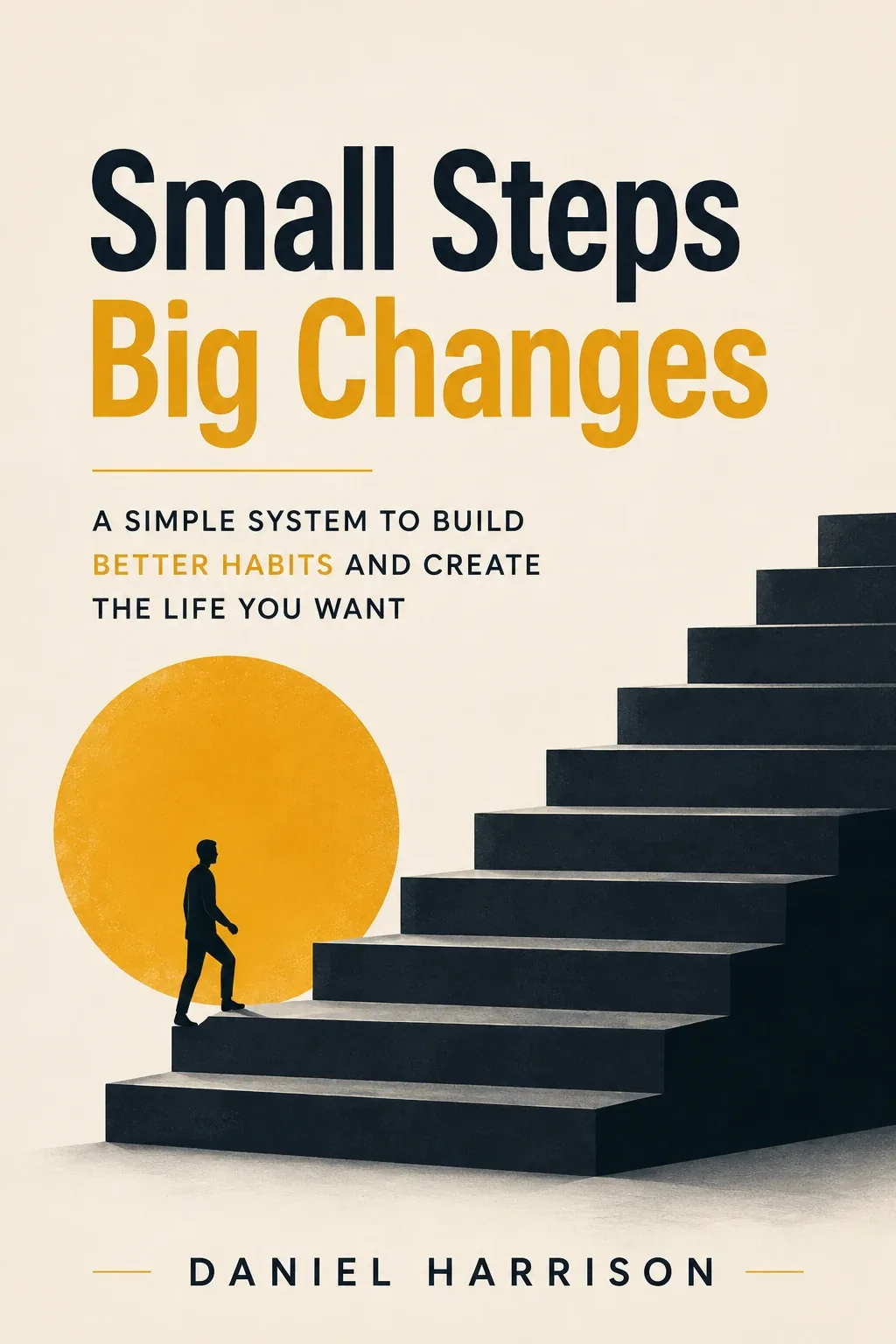
Small Steps Big ChangesSelf-help 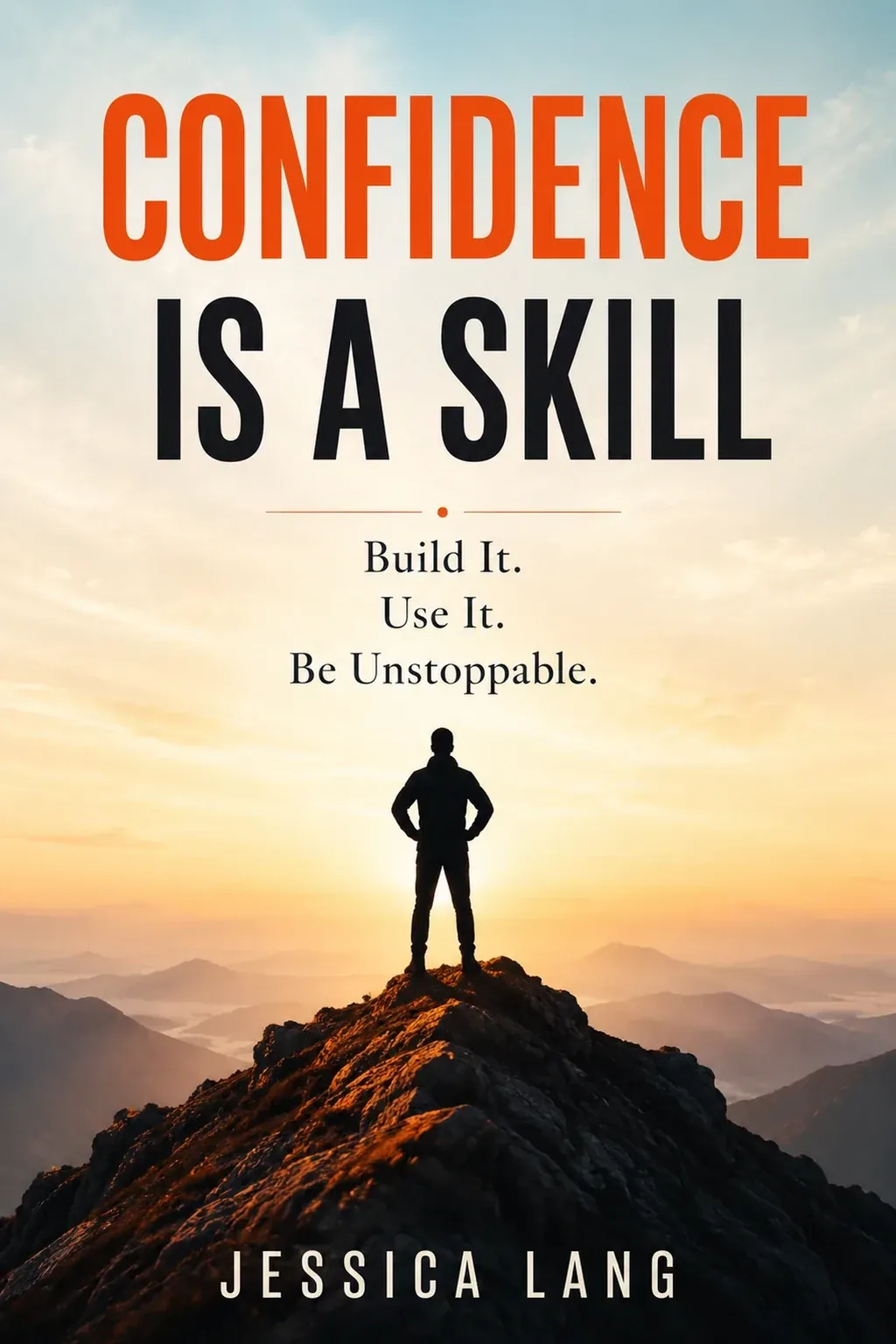
Confidence Is a SkillSelf-help 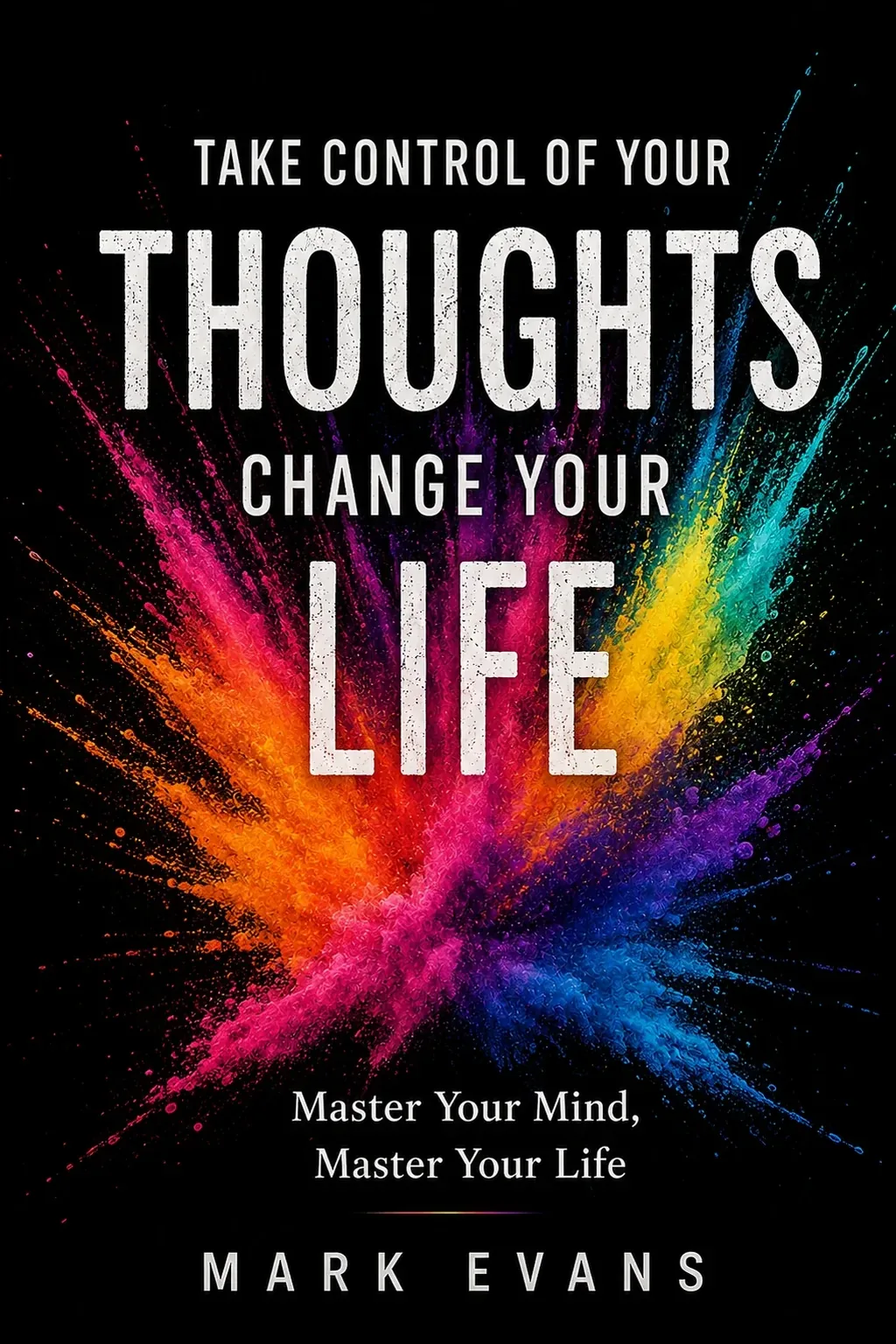
Take Control of Your ThoughtsSelf-help 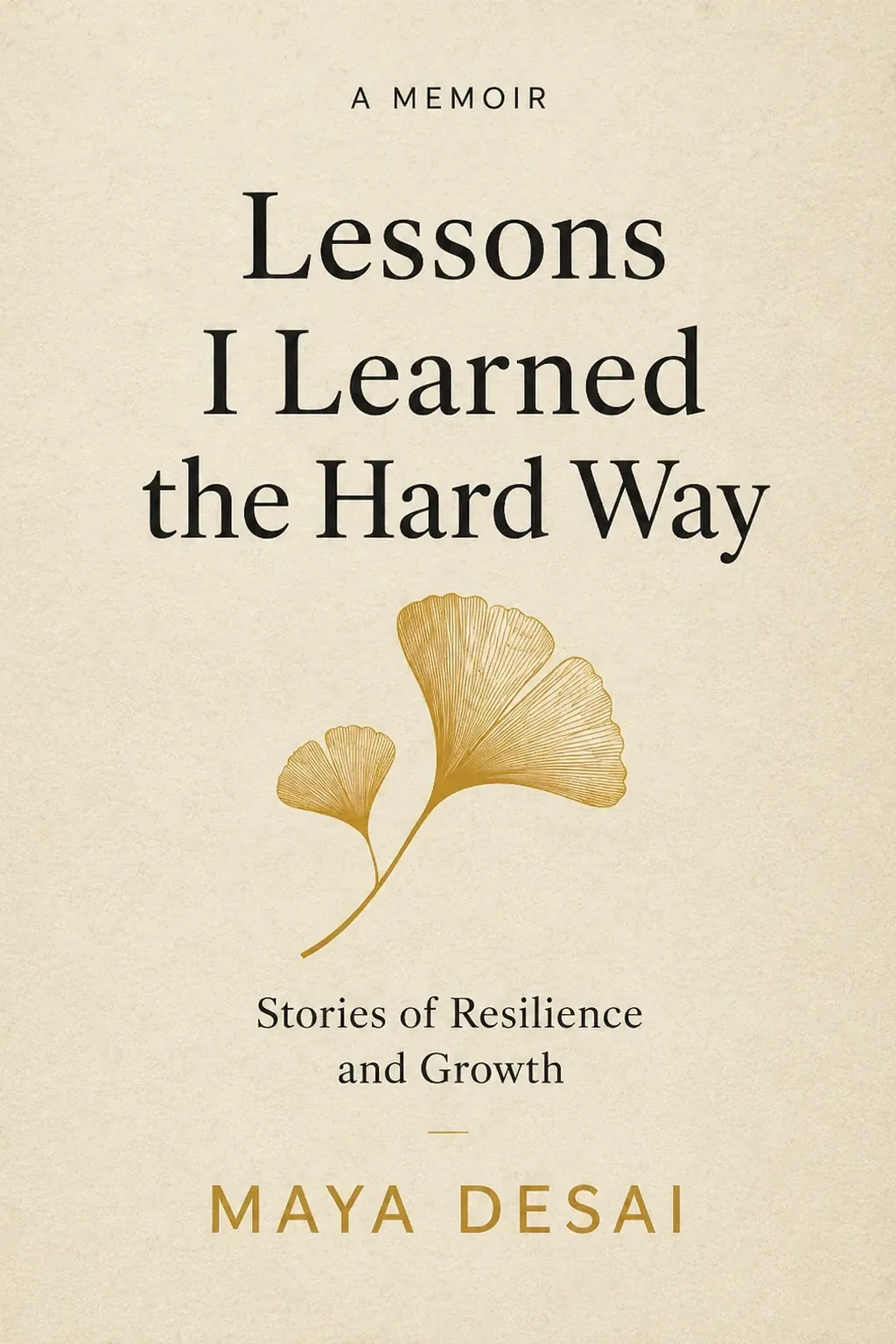
Lessons I Learned the Hard WayMemoir 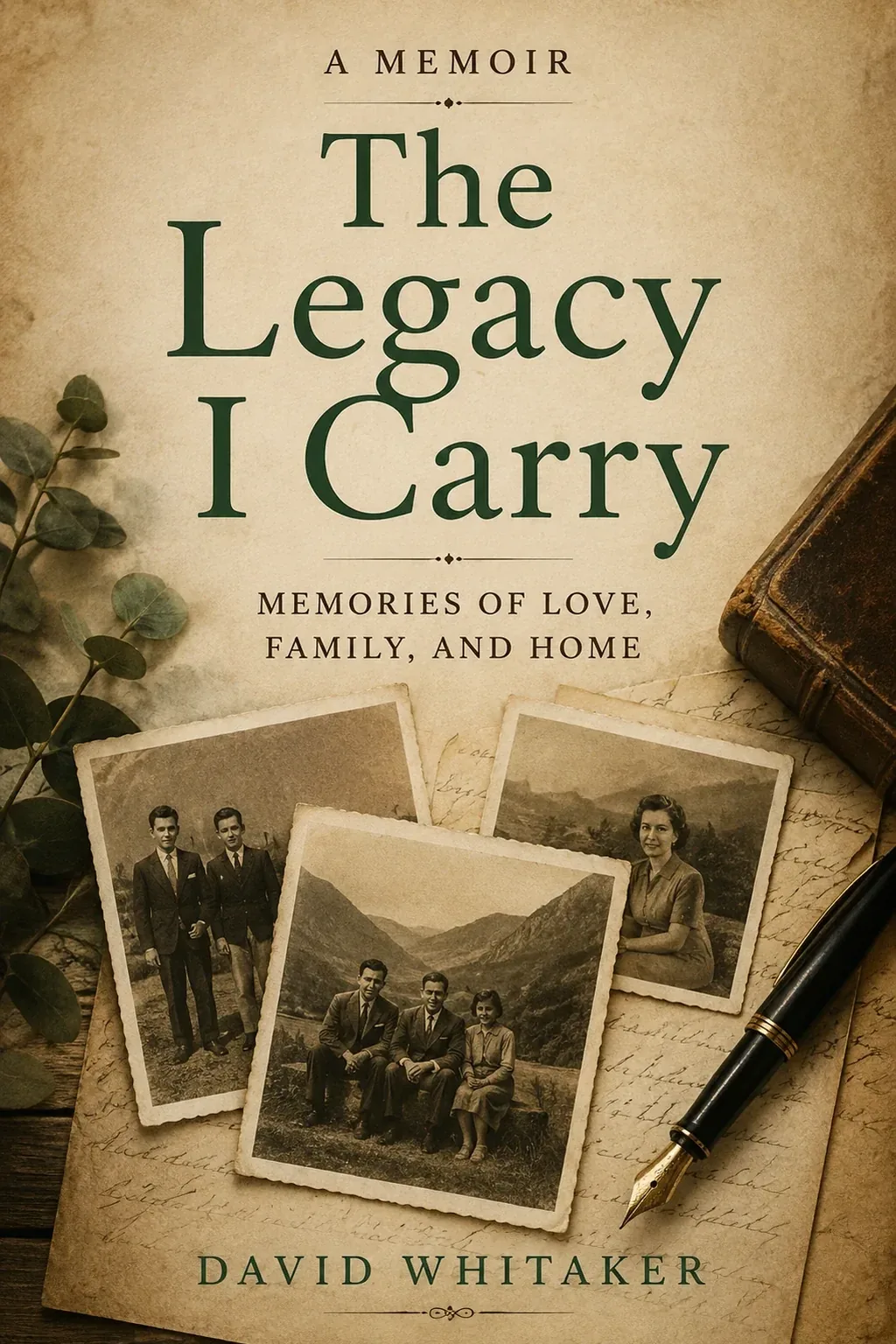
The Legacy I CarryMemoir
See the full book cover design portfolio, or how Launch-Ready Bundles add cover, formatting, and publishing.
Six types of non-fiction authors we ghostwrite for
A nonfiction ghostwriter’s work shifts with what the author is selling: a method, a professional story, or a credential. Many of the non-fiction projects that come to AuthorWings fit one of these six profiles, and each one tends to stall at a different point.
Founders and CEOs
Operators who built or scaled a company and want the playbook on paper. It is a common reason founders hire a business book ghostwriter: the book reaches people they will never meet in person.
Usual fit40,000 to 90,000 words, for a book with several frameworks
Where it stallsThe playbook lives in their head, told in fragments on calls and panels, and never survives a blank page on a Saturday.
Consultants and Advisors
Independent experts whose work depends on trust before the first meeting. The book gives prospects something to read before they call, so the first conversation starts further along.
Usual fit20,000 words for a focused guide, 50,000 for a full-length book
Where it stallsToo senior to sound like a beginner, so every draft gets deleted for reading beneath the expertise it should prove.
Speakers and Trainers
Professionals already on stage who need the book the audience asks for after the talk. A ghostwriter for speakers works from material that already exists, turning the keynote and workshop into something an attendee can buy, gift, and quote.
Usual fit20,000 to 50,000 words, written from your talks
Where it stallsThe material lives as spoken performance, and a great talk has no written version to build a chapter order from.
Doctors and Specialists
Clinicians, surgeons, therapists, and other specialists turning years of practice into a book a patient or peer can read, with careful sourcing and a voice that keeps clinical credibility without reading like a journal article.
Usual fit40,000 to 90,000 words, with a full source review
Where it stallsTime rather than ability: the calendar that makes them worth reading is the same calendar that leaves no room to write.
Coaches and Practitioners
Coaches with a proven framework and a long client list who need the book to reach beyond one-on-one work, turning the system into something readers can learn and apply without the coach in the room.
Usual fit40,000 to 60,000 words
Where it stallsThe framework is fluent out loud and formless on paper, never put into an order a stranger could follow.
Academics and Researchers
Researchers writing for general readers, where the book has to keep its rigor and lose its dissertation voice. The ghostwriter handles the translation, so the ideas stay sharp while the sentences read easily.
Usual fit70,000 words or more, for long and heavily sourced books
Where it stallsThe training that makes the ideas sound makes the writing hard for a general reader, and it is hard to unlearn alone.
Recognize your stall point? It is the first thing we work through on your free 30-minute call, before any price is set.
8 to 27 weeks from first call to final manuscript
Every non-fiction project moves through five steps on a schedule set in your agreement, with something in writing at each handoff, so there is never a stretch where the book is simply in progress with nothing to show.
How long it takes
Up to 30,000 words takes 8 to 12 weeks, up to 50,000 words 12 to 18, and up to 120,000 words 18 to 27. The week numbers show a 90,000-word book. Shorter books move through the same five steps faster.
Built around a busy calendar
Expect a few hours a week during the interviews, then about 90 minutes a week once writing starts, mostly reading chapters. Your part, in order:
- Call
- Share material
- Approve map
- Review chapters
- Receive files
Week 1
Free Call and Written Quote
A free 30-minute call, before any contract. We test the idea against three questions: is the argument big enough for the length, is your expertise deep enough to defend it, and is your calendar realistic. Your written quote follows within 48 hours.
Your part: Bring the idea, and be honest about your calendar.
Weeks 2 to 4
Voice Interviews and Material Review
Two things run side by side. Your writer interviews you to learn how you explain your work, and catalogs your talks, podcasts, and course material, so you can both see which chapters can be written from what you already have.
Your part: Share links to talks, podcasts, and course material.
Weeks 3 to 6
Argument Map and Chapter Plan
Your main argument, the chapter order that proves it, and the frameworks that earn their place are set in writing before drafting. Short interviews fill any gaps in your material. Changing the main argument after this step is handled as a change to your agreement.
Your part: Approve the argument map in writing.
Weeks 6 to 20
Chapters in Batches
Chapters arrive in batches, paced to your book’s timeline. The first chapter is used to check the voice, and the rest move faster once you confirm it. You flag anything that does not sound like you or is not accurate.
Your part: About 90 minutes a week, mostly reading chapters.
Weeks 20 to 27
Editing and Final Handoff
Editing runs in order: structure and flow first, then sentences, then copy editing and proofreading. You receive the manuscript, voice profile, chapter plan, material list, interview recordings, and transcripts, ready for design and publishing.
Your part: Publish it through non-fiction publishing, or add a Launch-Ready Bundle.
Why many expert books stall at chapter three
Stalled non-fiction projects usually come down to time and craft. The calendar that pays the bills rarely leaves room for the hundreds of hours a full manuscript takes, and the skill that built your expertise is a different skill from writing a book.
Where a typical expert manuscript stops
The first chapters move on material you already say out loud. The middle needs structure that has no spoken version to lean on.
The consultant
Can diagnose an operations problem in 90 minutes, after a decade of giving fast spoken answers.
The surgeon
Can explain a procedure to a nervous patient in 60 seconds, after years of training for the opposite of long-form writing.
The expertise is real.Turning it into a book is a separate craft that many experts never had a reason to learn.
What the ghostwriter brings
When you hire a non-fiction ghostwriter, they bring the writing skill and the structure, so you do not have to learn a second craft to publish your first book.
What you bring
The method, the stories, and the final say on what the book argues, so the manuscript reads at the level of the expertise behind it.
What it avoids
A rushed draft that reads like a long blog post and weakens the reputation it was meant to build.
Why argument-driven books hold readers better than essay collections
Many expert manuscripts that struggle with readers struggle on structure, not on writing. The book reads like a set of related essays instead of one argument, and serious non-fiction readers notice early.
What serious non-fiction readers expect
Argument-driven book
One main argument runs through the whole book. The opening states it, 8 to 12 chapters prove it, each moving it forward instead of repeating it, and the close tells the reader what to do next. Frameworks, case studies, and stories appear only where they move the argument forward.
What expert drafts drift into
A collection of essays
Related essays, each strong alone, with nothing tying them together. Chapter three goes deep on one idea, and chapter four goes somewhere else. The reader respects the expertise but never lands on one takeaway. Expert drafts often end up here by accident.
How your book avoids the drift. Your main argument and chapter order are set in a written argument map before drafting, and every chapter is checked against it before the next one starts.
See when the argument map is setNon-fiction book categories our ghostwriters cover
A business book ghostwriter and a memoir ghostwriter approach a manuscript differently. Reader expectations, structure, and pacing change by category, so your writer is matched to the category that fits your expertise and your readers.
Business Book Ghostwriting
Operator and founder books that turn hard-won strategy into a manuscript serious business readers respect, written to support sales conversations and speaking.
How business books are publishedSelf-Help and Personal Development
Method books that walk a reader through a framework or a change, structured for readers who buy self-help to apply it, not skim it. Writing it yourself? Read how to write a self-help book.
How self-help is publishedLeadership and Management
Books built on years of leadership practice, written for executives who want to teach the next generation what they had to learn the hard way.
How leadership books are publishedThought Leadership
The thought leadership ghostwriter’s territory: a clear position in your field, backed by your own frameworks and case studies and argued across the whole book.
How the argument is builtMemoir and Professional Biography
A defining career or a turning point told in long form. Life stories have their own specialists, with recorded voice interviews and a review of the living people named.
See memoir ghostwritingEducational and How-To
Instructional books that teach a skill or method in an order built for learning and use, written for working professionals with little time.
See every non-fiction category
Your book, your name, and your rights
Who owns what is set out in writing before work starts, so you know where you stand before you sign.
100% of the rights
The manuscript, files, chapter plan, voice profile, recordings, and transcripts transfer to you on final payment. There is no royalty share.
Confidential from the first call
A confidentiality agreement (NDA) is signed before we start, and your writer signs one too. You can ask for an NDA before your first call.
Your name on the cover
Your name alone, or if you prefer, “with” your writer, or both names. Your choice is set in writing.
Protected if plans change
Your agreement sets milestones where either side can stop, and you keep everything completed and paid for up to that point.
Non-fiction ghostwriting questions experts ask before signing
The questions experts ask on our free calls, answered here before you sign anything.
Still have a question?
Ask it on a free 30-minute call with a non-fiction ghostwriter, before you sign anything.
Book a callWill the book actually sound like me, or like a generic business book?
Your writer studies how you already talk where it counts: keynotes, podcasts, and client calls. Your rhythm, signature phrases, and favorite analogies go into a written voice profile, and every chapter is checked against it. The first chapter is used to confirm the voice before the rest are written. People who know your talks should hear the same person on the page.
Is it legal and ethical to publish a ghostwritten book under my own name?
Yes. Ghostwriting is a long-established, legal practice in business and memoir publishing. The rights transfer to you on final payment, so your name on the cover is accurate. The ideas, the method, the stories, and the final say are yours, and your writer puts your thinking on the page in your voice. You can also credit your writer on the cover, if you prefer.
Can the ghostwriter work from my podcast and keynote archives, or do I have to do hours of fresh interviews?
Often from your archives. Podcast transcripts, keynote videos, workshops, webinars, and course material are reviewed at the start and matched to your chapter plan. Where your material already covers a chapter, writing starts from it. Where there are gaps, short interviews fill them. Authors who speak often tend to have more usable material than they expect.
How much of my time does this actually take each week?
Expect a few hours a week during the interviews at the start, up to 10 hours in total, depending on your book. Once writing starts, plan on about 90 minutes a week, mostly reading chapters and giving notes. You are never asked to write paragraphs or edit prose yourself.
How do you protect my proprietary frameworks and methodology in the manuscript?
The book explains your framework well enough for readers to apply it, without giving away the depth you sell in paid work. Frameworks are named, structured, and explained at that level, while your internal tools, licensing details, and client scripts stay out. You review every framework chapter against this line before the next chapter is written.
Will the book argue what I actually believe, or whatever sounds publishable?
What you believe. Your main argument is agreed with you in writing, in the argument map, before writing starts. Your writer argues your position, in your words, with your evidence. If a chapter drifts toward a claim you do not stand behind, it is caught in your chapter review and fixed. Changing the main argument later is handled as a change to your agreement.
How do you handle citations, sources, and fact-checking on technical or expert material?
Sources are reviewed with you chapter by chapter, and you and your editor review every citation in a full pass before final editing. Your writer formats every citation the same way. Your own data and research always come from you, and you flag corrections during review.
Will the book actually position me as an authority, or just add another title to the pile?
How the book positions you is decided at the outline stage: the argument it makes, the chapter order that proves it, the case studies, and how your framework is named. We plan the book to take a clear position in your field rather than repeat what others say. No one can promise sales or reach, but the manuscript gives your launch something worth promoting.
What if I do not like the first draft, or if a chapter does not land?
Changes are expected and built into the timeline. The first chapter is used to check the voice, structure, and framing, and your feedback shapes every chapter after it. Rounds of changes follow your book’s length: 2 up to 30,000 words, 3 up to 50,000, and 5 for longer books. Your agreement also sets milestones where either side can stop, and you keep everything completed and paid for.
Will the free call tell me honestly whether my idea is a book?
Yes. Some ideas work better as an essay, a course, or a few short books. Some methods are too new to fill a book, and some great talks run out of material by chapter three. If that is your situation, we say so on the call and point you to what fits: book coaching if you want to write it yourself, or editing services if you already have a draft.
Who owns the rights to the finished manuscript, and is the project confidential?
You do. 100% of the rights transfer to you on final payment, including the manuscript, files, chapter plan, voice profile, interview recordings, and transcripts. There is no royalty share and no writer credit unless you ask for one in writing. A confidentiality agreement (NDA) is signed before we start, and your writer signs one too. You can ask for an NDA before your first call.
Will Amazon or KDP reject a book because it was ghostwritten?
No. KDP asks you to hold the publishing rights to what you upload, and your ghostwriting agreement gives you those rights on final payment. KDP may ask for proof, and the agreement is that proof. KDP also asks you to tell it when a book contains AI-generated text, images, or translations. Your manuscript is written by a human ghostwriter, with no AI drafting. KDP rules as of October 2026.
When is AuthorWings non-fiction ghostwriting not the right fit?
When your method has not been tested in real client work, when you want to write most of the book yourself and only need feedback, or when your calendar cannot spare about 90 minutes a week during writing. In the first two cases, book coaching or editing services fit better. In the third, waiting is often better than starting a book your calendar cannot finish.
Do you also publish and design the book, or only write the manuscript?
The ghostwriting fee covers the writing and the editing that finishes the manuscript. Cover design, formatting, publishing, and launch marketing are separate, so you pay only for what you want. See how non-fiction books are set up on design and publishing. With a Launch-Ready Bundle, cover, formatting, and publishing are included, from $12,239 in total. Or publish it yourself; the manuscript is yours in full.
Do you charge per word, per page, or as a flat project fee?
Per word: 55¢ a word, from 20,000 words, agreed as a fixed fee for your book’s length when you sign. A 50,000-word book is $27,500. The fee does not move if a chapter runs long, as long as the book stays at the agreed length.
What does a business book ghostwriter cost?
The same as any non-fiction book here: 55¢ a word, so $11,000 for 20,000 words, $27,500 for 50,000 and $49,500 for 90,000, with all four editing levels included. The price follows the length of your book, not your title or your company’s revenue. A founder and a first-time consultant writing books of the same length pay the same.
Do you work with executives who cannot commit to long interview blocks?
Yes. An executive ghostwriter here works in short, regular sessions rather than multi-day intensives, because long blocks are what stall books when the quarter gets busy. Sessions are recorded and transcribed, and the chapters come to you to review in your own time. If a week gets away from you, the schedule absorbs it rather than starting over.
See what your non-fiction book could cost before you commit
Build an estimate in the calculator, with no card and no email. Your estimate lands within 10% to 15% of your written quote. When you are ready, book a free 30-minute call with a non-fiction ghostwriter, who will tell you honestly whether ghostwriting fits, whether a different service serves you better, or whether now is not the time.
What your call tests30 minutes
Three questions before any price is set
- Is the argument big enoughfor the length you have in mind?
- Is your expertise deep enoughto defend that argument across the whole book?
- Is your calendar realisticfor about 90 minutes a week once writing starts?
Your written quote follows within 48 hours.
A confidentiality agreement (NDA) is available before the call on request, 100% of the rights transfer to you, and nothing is signed until you decide.